Seattle, WA · barber shop
Barber shop equipment costs Seattle
What equipment do you need to open a barber shop in Seattle?
The core equipment list for a Seattle barber shop includes:
- Barber chairs (stationary or hydraulic)
- Clipper sets and trimmers
- Mirrors (wall-mounted or freestanding)
- Styling stations with storage
- Shaving stations (sinks, hot/cold water)
- Waiting area seating
- Lighting (task and ambient)
- Trash and sanitation systems
- Point-of-sale (POS) hardware
Beyond the basics, Seattle's climate and local codes may influence choices-like ventilation for steam or flooring that handles high foot traffic. The key is to validate each item against Seattle's rent bands and utility capacity, not just generic checklists.
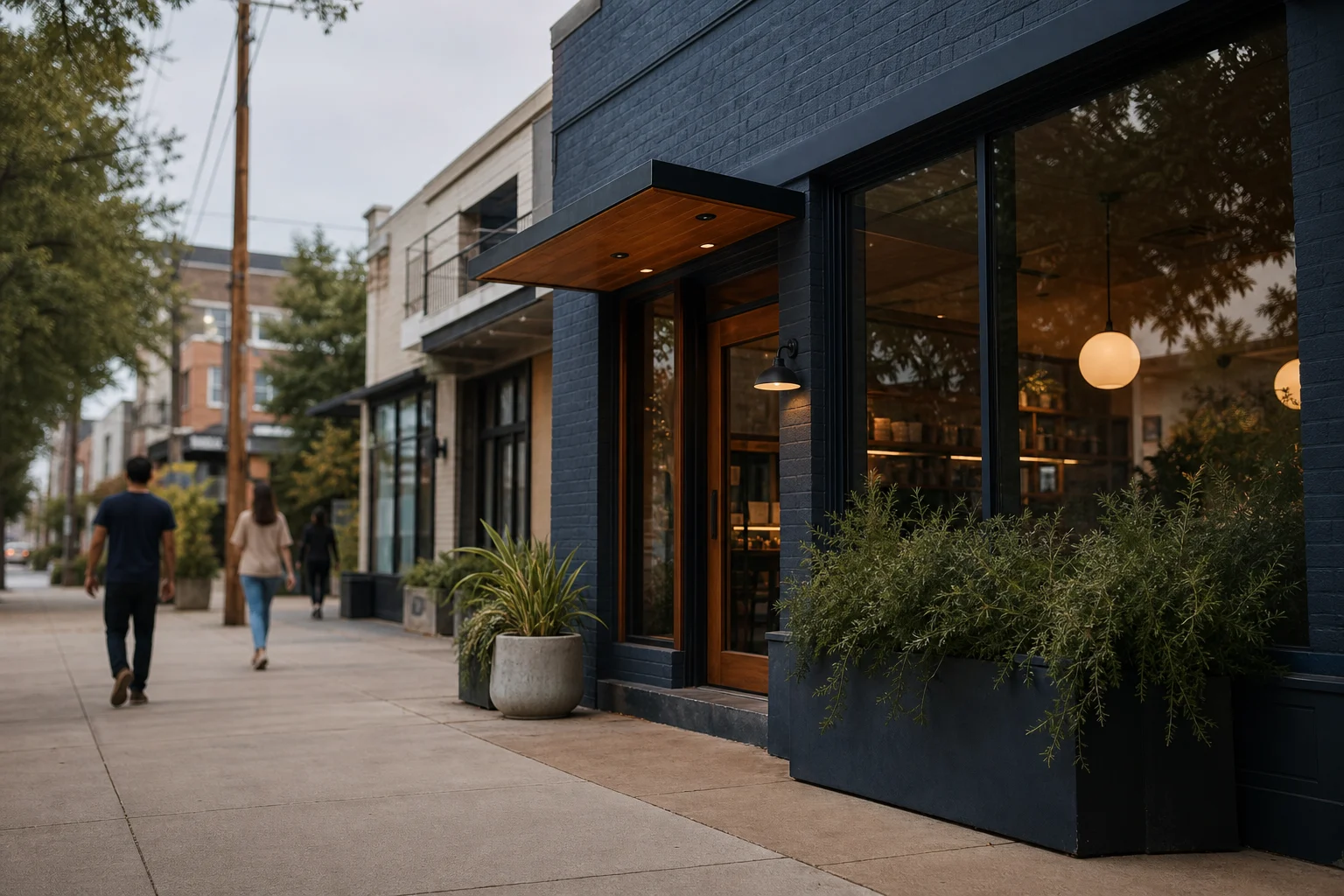
Buildout cost categories
Buildout costs in Seattle vary by neighborhood, but the biggest drivers are often hidden in permits, utilities, and layout. Below are the major categories to plan for, with Seattle-specific considerations.
Plumbing and electrical
Seattle's older buildings (common in neighborhoods like Capitol Hill or Central District) may require upgrades to handle multiple sinks or high-wattage clippers. For example, a 1,000-square-foot space in Capitol Hill (rent band: $55/sqft/yr NNN) might need a 200-amp electrical panel to support 8-10 stations, while a similar space in Madrona/Leschi (rent band: $31-$110/sqft/yr NNN) could face plumbing retrofits for new sinks. Always check with Seattle's Department of Construction and Inspections (SDCI) for local codes.
HVAC and ventilation
Seattle's damp climate makes ventilation non-negotiable. A small shop in Eastlake/Cascade (rent band: $31-$110/sqft/yr NNN) might need a dedicated exhaust system to remove steam and hair, while a larger space in Queen Anne (same rent band) could require zoned HVAC to balance temperature and air quality. Operators like Central Barber Shop in Eastlake prioritize ventilation to avoid moisture buildup-critical for both client comfort and equipment longevity.
Flooring and finishes
High-traffic areas demand durable flooring. In Capitol Hill, where rent is $55/sqft/yr NNN, many shops use vinyl or epoxy for easy cleaning, while Madrona/Leschi (rent band: $31-$110/sqft/yr NNN) sees a mix of tile and polished concrete. Finishes should also reflect Seattle's aesthetic-think minimalist or industrial, as seen in shops like Rudy's Barbershop.
Permits-driven items
Seattle's SDCI requires permits for plumbing, electrical, and structural changes. Even minor modifications (e.g., adding a sink) can trigger inspections. For example, a shop in Central District (rent band: $31-$110/sqft/yr NNN) might need a permit for a new electrical outlet, adding weeks to the timeline. Always factor in permit review times when planning.
Furniture and signage
Furniture should fit the space's layout-compact stations for smaller shops (e.g., Queen Anne, rent band: $31-$110/sqft/yr NNN) or modular setups for larger ones (e.g., Capitol Hill). Signage in Seattle often leans toward bold, neighborhood-specific designs, like the eye-catching signs at Acme Barber Shop or Buckhorn Barbershop.
Equipment line items to validate in Seattle
Beyond basics, validate these items for Seattle:
- Ventilation systems: Seattle's humidity means standard exhaust fans may not suffice-check local codes.
- Electrical capacity: Multiple clippers and dryers can overload circuits; verify with a Seattle electrician.
- Water heaters: For shaving stations, ensure the unit can handle peak demand (e.g., 4-6 sinks).
- POS systems: Choose hardware compatible with Seattle's payment trends (e.g., contactless).
How established operators in Seattle configure their kitchens
Seattle's top barbershops use layout and equipment to maximize space. In Capitol Hill (rent band: $55/sqft/yr NNN), shops like Acme Barber Shop and Rudy's use wall-mounted mirrors to save floor space, while Eastlake's Central Barber Shop prioritizes open stations for walk-in traffic. Madrona's The Lounging Barber (4.8 stars) uses compact stations to fit a smaller footprint, reflecting Madrona/Leschi's $31-$110/sqft/yr NNN rent band. The key takeaway: match equipment to the neighborhood's space constraints.
Used vs. new vs. lease
- Used: Seattle has a robust market for used barber equipment, especially in neighborhoods like Capitol Hill (high turnover). Check local classifieds or shops like Acme Barber Shop for referrals.
- New: New gear offers warranties but may strain budgets-consider leasing for cash flow.
- Lease: Leasing is common in high-rent areas (e.g., Capitol Hill) to preserve capital.
Buildout timeline
Seattle's permit process can take a variable local timeline, plus a variable local timeline for construction. Factor in:
- SDCI review times (varies by project complexity)
- Contractor availability (Seattle's tight labor market)
- Utility hookups (e.g., water, gas)
Always buffer for delays-permits or inspections can add a variable local timeline.
Common buildout overruns
- Permit surprises: Unforeseen code requirements (e.g., ADA compliance) can increase costs.
- Utility upgrades: Older buildings in Central District or Queen Anne may need electrical/plumbing upgrades.
- Material delays: Seattle's supply chain issues can slow flooring or fixture deliveries.
| Neighborhood | Locavisor score | Rent band | Local operator signal | Founder validation check |
|---|---|---|---|---|
| Madrona / Leschi | 7.4/10 | $31-$110/sqft/yr NNN | The Lounging Barber | Check utility capacity, ventilation, plumbing, storage, and fixture layout. |
| Eastlake / Cascade | 7.3/10 | $31-$110/sqft/yr NNN | Central Barber Shop, Hat in the Ring Barbershop | Check utility capacity, ventilation, plumbing, storage, and fixture layout. |
| Capitol Hill | 7.1/10 | $55/sqft/yr NNN | Acme Barber Shop, Rudy's Barbershop | Check utility capacity, ventilation, plumbing, storage, and fixture layout. |
| Central District | 7.0/10 | $31-$110/sqft/yr NNN | Earl's Cuts & Style, The Lounging Barber | Check utility capacity, ventilation, plumbing, storage, and fixture layout. |
| Queen Anne | 7.0/10 | $31-$110/sqft/yr NNN | Counterbalance Barber Shop, Bostonian Barber Shop | Check utility capacity, ventilation, plumbing, storage, and fixture layout. |
FAQ
Q: What's the biggest equipment cost for a Seattle barber shop?
A: Ventilation systems often top the list due to Seattle's damp climate-critical for avoiding moisture damage and ensuring client comfort.
Q: Do I need a special permit for barber shop equipment in Seattle?
A: Yes-plumbing (for sinks) and electrical (for clippers) require SDCI permits. Always verify with the Department of Construction and Inspections.
Q: How do Seattle's rent bands affect equipment choices?
A: Higher rent bands (e.g., Capitol Hill's $55/sqft/yr NNN) mean smaller spaces, so compact, multi-functional equipment (e.g., wall-mounted stations) is key. Lower rent bands (e.g., Madrona/Leschi's $31-$110/sqft/yr NNN) allow more flexibility for larger setups.
Last reviewed: 2026-05-30
Sources: U.S. Census Bureau ACS, LEHD LODES, Google Places, OpenStreetMap, Locavisor neighborhood scoring.
Methodology: Locavisor scores neighborhoods across demand, competition fit, rent fit, accessibility, and customer match. Scores reflect a snapshot of recent data and should be combined with on-the-ground research before lease decisions.
Disclaimer: This article provides informational content only and does not constitute legal, financial, accounting, or real-estate advice. Verify lease terms, licensing, local regulations, costs, and professional requirements with qualified local professionals before making business decisions.
Free preview shows top 3 neighborhoods. Full $9.99 report covers all 10 areas with personalized scoring + 90-day check-ins.
Informational only. Verify lease, licensing, local regulations, costs, and professional requirements with qualified local professionals.