Washington, DC · barber shop
Barber shop equipment costs Washington
Planning a barber shop in Washington requires careful consideration of equipment costs and buildout planning. The barber shop equipment costs Washington market presents unique challenges and opportunities depending on your chosen location. Understanding these costs is crucial for creating a realistic budget that aligns with your business goals and the specific demands of Washington's neighborhoods.
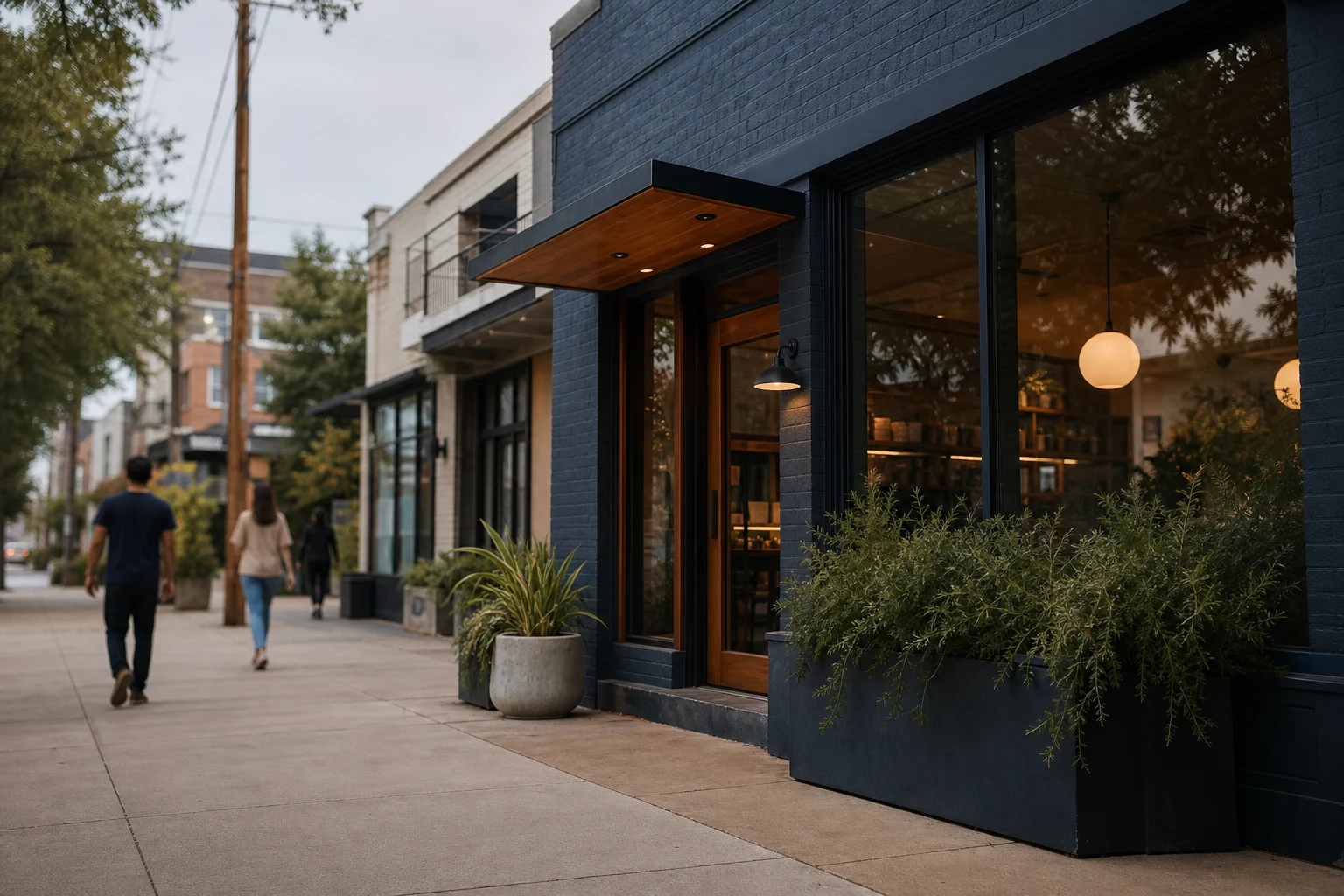
Equipment categories by launch format
When planning your barber shop in Washington, equipment categories vary significantly based on your chosen launch format. A traditional full-service barber shop requires different equipment than a modern barbershop or a specialized men's grooming salon. The core equipment categories include barber chairs, wash stations, mirrors, clippers, trimmers, dryers, and styling stations. Each category comes with different price points depending on quality, brand, and features.
The location you choose in Washington directly impacts your equipment budget. Areas like Foggy Bottom / GWU with medium rent levels ($30-50/sqft NNN) will have different cost pressures than Logan Circle with higher rent levels ($45-70/sqft NNN). Your equipment choices must balance quality with budget constraints while meeting the expectations of your target clientele.
Buildout assumptions that change the budget
Buildout assumptions significantly impact your overall budget when opening a barber shop in Washington. The condition of your space determines how much work is needed before you can begin operations. A second-generation space with existing plumbing and electrical may require less investment than a raw shell that needs complete buildout.
Washington neighborhoods present different buildout challenges. In Foggy Bottom / GWU, you'll need to consider the transient student population when designing your space for maximum efficiency. Logan Circle's dense young-professional population calls for a different layout approach than Chevy Chase DC's family-oriented residential corridor. Each location's unique characteristics should inform your buildout decisions.
The market temperature in Washington is promising, which means you can expect moderate competition density across different neighborhoods. This balance allows you to find a space that meets your budget while still providing the right environment for your target customers. Your buildout should reflect the positioning of your chosen area to maximize its potential.
New vs used equipment tradeoffs
The decision between new and used equipment represents a significant tradeoff in your barber shop planning. New equipment offers the latest technology, warranties, and reliability but comes with a higher upfront cost. Used equipment can reduce initial expenses but may require more maintenance and lack modern features.
In Washington's competitive market, the choice between new and used equipment depends on your specific location and target clientele. In areas like Logan Circle with a dense young-professional population, newer equipment might justify the higher price point. In Chevy Chase DC with its family-oriented residential corridor, reliable used equipment might serve your needs just as well while reducing startup costs.
The competition density in Washington's barber market is medium, with 8 barber competitors within 700m in Foggy Bottom / GWU, 7 within 800m in Logan Circle, and only one in Chevy Chase DC. This competition landscape should influence your equipment decisions. In more competitive areas, newer equipment might help differentiate your business, while in less competitive areas, cost-effective solutions might be more appropriate.
What to inspect in a second-generation space
When considering a second-generation space for your barber shop in Washington, thorough inspection is essential. Existing plumbing and electrical systems must be evaluated to ensure they can support your equipment needs. Look for signs of water damage, outdated wiring, and structural issues that could increase your buildout costs.
Washington's neighborhoods present different inspection considerations. In Foggy Bottom / GWU, you'll want to verify that the existing layout can accommodate the flow of both daytime workers and students. Logan Circle spaces should be evaluated for their ability to handle strong office-worker lunch traffic. Chevy Chase DC locations need inspection to ensure they can support steady neighborhood repeat business.
The rent level in your chosen area directly impacts your budget for addressing any issues found during inspection. In areas with higher rent like Logan Circle ($45-70/sqft NNN), you may have more budget for addressing inspection findings. In areas with lower rent like Chevy Chase DC ($20-35/sqft NNN), you'll need to be more strategic about which issues to address immediately versus which can wait.
FAQ
What equipment do I need for A Barber Shop in Washington?
A barber shop in Washington requires several key equipment categories. First, barber chairs are essential for client comfort and accessibility. Wash stations with shampoo bowls and chairs are necessary for hair washing services. Mirrors should be strategically placed to provide optimal viewing angles for both barbers and clients. Clippers, trimmers, and dryers form the core of your cutting tools. Styling stations with adequate storage and lighting complete the basic setup. The specific equipment needs may vary based on your chosen format and location within Washington.
How does location affect barber shop equipment costs in Washington?
Location significantly impacts barber shop equipment costs in Washington through several factors. Rent levels vary by neighborhood, with Foggy Bottom / GWU at $30-50/sqft NNN, Logan Circle at $45-70/sqft NNN, and Chevy Chase DC at $20-35/sqft NNN. Higher rent areas may require more premium equipment to justify the cost. Competition density also influences equipment decisions, with more competitive areas potentially requiring higher-end equipment to differentiate your business. The target clientele in each neighborhood should guide your equipment choices to meet their expectations.
What buildout considerations are specific to Washington barber shops?
Washington barber shops must consider several location-specific buildout factors. In Foggy Bottom / GWU, the transient student population requires efficient space design to maximize client turnover. Logan Circle's dense young-professional population calls for accommodating both daytime and evening traffic patterns. Chevy Chase DC's family-oriented residential corridor benefits from a layout that encourages repeat visits. Each neighborhood's unique characteristics should inform your buildout decisions to create a space that resonates with local clientele.
How do I balance equipment quality with budget constraints in Washington?
Balancing equipment quality with budget constraints in Washington requires strategic decision-making. Prioritize core equipment that directly impacts client experience, such as barber chairs and mirrors. Consider phased purchasing, starting with essential items and expanding as your business grows. Research local suppliers who may offer better pricing or financing options. In competitive areas like Foggy Bottom / GWU with 8 barber competitors within 700m, quality equipment may be more important for differentiation. In less competitive areas like Chevy Chase DC with only one competitor, cost-effective solutions might be more appropriate initially.
What should I look for when inspecting a potential barber shop space in Washington?
When inspecting a potential barber shop space in Washington, focus on several key areas. Evaluate existing plumbing and electrical systems to ensure they can support your equipment needs. Check for adequate ventilation, especially important for hair salons. Assess the space's layout and flow to determine if it can accommodate your chosen services efficiently. Consider natural lighting and potential for additional lighting installation. In areas like Logan Circle with strong office-worker lunch traffic, verify that the entrance and waiting area can handle peak times. Each neighborhood's specific characteristics should inform your inspection priorities.
Last reviewed: 2026-05-08
Sources: U.S. Census Bureau ACS, LEHD LODES, Google Places, OpenStreetMap, Locavisor neighborhood scoring.
Methodology: Locavisor scores neighborhoods across demand, competition fit, rent fit, accessibility, and customer match. Scores reflect a snapshot of recent data and should be combined with on-the-ground research before lease decisions.
Disclaimer: This article provides informational content only and does not constitute legal, financial, accounting, or real-estate advice. Verify lease terms, licensing, local regulations, costs, and professional requirements with qualified local professionals before making business decisions.
Free preview shows top 3 neighborhoods. Full $9.99 report covers all 10 areas with personalized scoring + 90-day check-ins.
Informational only. Verify lease, licensing, local regulations, costs, and professional requirements with qualified local professionals.