Atlanta, GA · boba shop
Boba shop equipment costs Atlanta
When planning a boba shop in Atlanta, understanding equipment costs is crucial for your startup budget. The right equipment setup can make or break your operations, especially in a competitive market like Atlanta's. Equipment costs vary significantly based on your chosen location, format, and buildout approach.
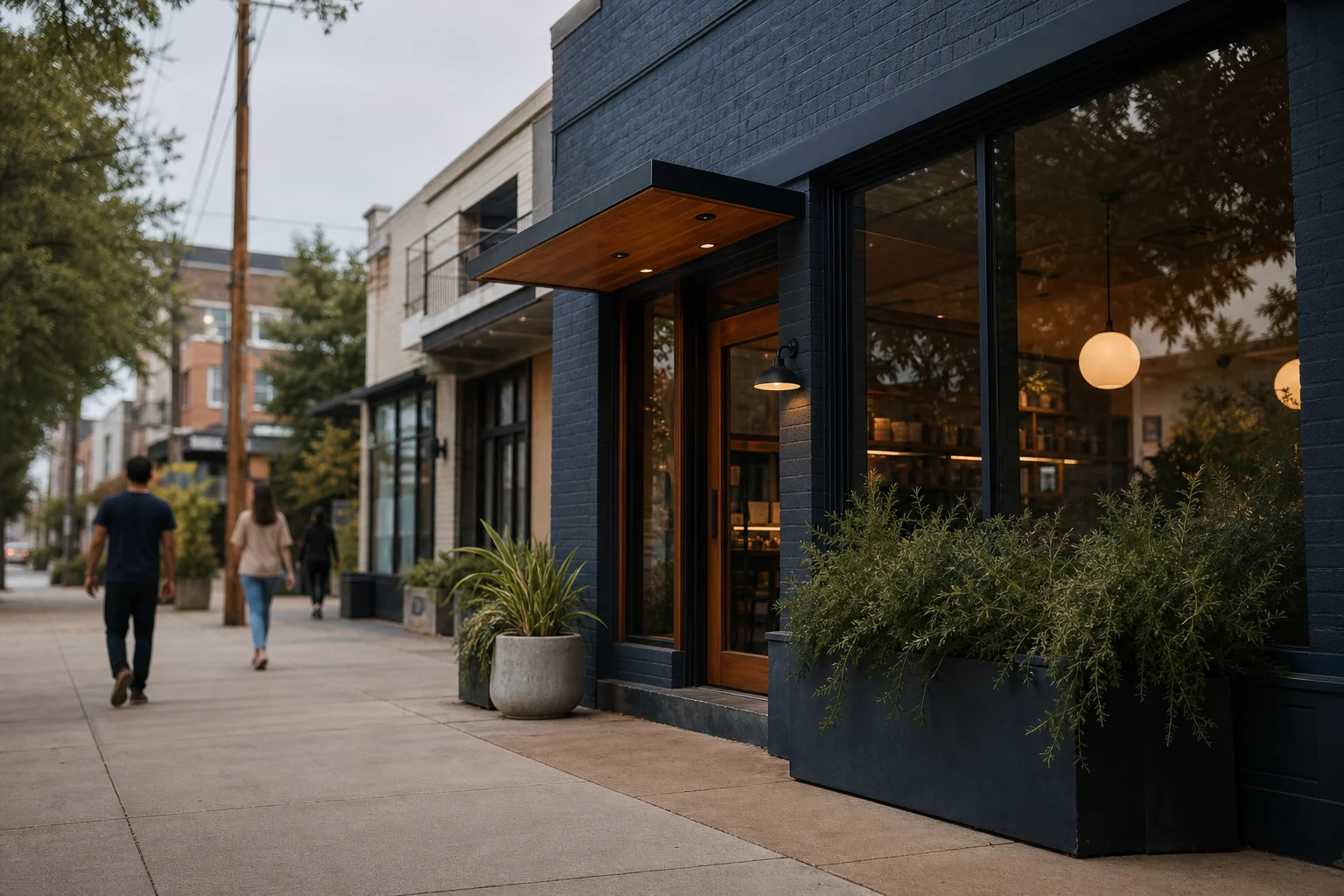
Equipment categories by launch format
For a boba shop in Atlanta, your equipment needs will vary based on your chosen format. A full-service shop requires different equipment than a kiosk or grab-and-go model. The most common formats include traditional sit-down shops, quick-service counters, and kiosk operations. Each format comes with distinct equipment requirements that impact your initial investment.
Traditional sit-down boba shops need the most comprehensive equipment list. This includes commercial-grade refrigeration for ingredients, multiple brewing stations for tea, specialized boba preparation equipment, and customer service stations. Quick-service formats reduce some of these requirements, focusing on efficient workflow for high-volume orders. Kiosk operations minimize equipment needs but require compact, multi-functional solutions.
Your format choice also affects equipment quality requirements. A premium sit-down shop might invest in high-end brewing systems and premium refrigeration, while a quick-service operation prioritizes durability and speed over aesthetics. Atlanta's market temperature is mixed, with medium competition density, so your equipment should align with your positioning within this landscape.
Buildout assumptions that change the budget
Buildout assumptions significantly impact your equipment budget for a boba shop in Atlanta. The condition of your space determines how much work is needed before equipment installation. A second-generation space with existing plumbing and electrical systems reduces buildout costs compared to a raw shell requiring complete infrastructure installation.
Atlanta's rent levels are high, particularly in top areas like Atlantic Station and Downtown where rent reaches $90-140/sqft NNN. This high rent environment influences buildout decisions, as you may need to balance initial investment against ongoing operational costs. In contrast, Smyrna/Vinings offers better rent value at $45-70/sqft NNN, potentially allowing for more substantial buildout investments.
Buildout complexity varies by location. Atlantic Station has a captive daytime population of roughly 10,500 weekday workers within 800m, suggesting high daytime traffic that might influence equipment placement and workflow design. Downtown Atlanta has the highest walkability and transit access, anchored by Georgia State University and multiple MARTA stations, which could impact customer flow patterns and equipment positioning. Smyrna/Vinings offers strong office-worker density and an above-average affluence profile, potentially allowing for premium equipment investments.
New vs used equipment tradeoffs
When equipping your Atlanta boba shop, the decision between new and used equipment involves careful consideration of budget constraints and operational needs. New equipment offers the latest technology, full warranties, and energy efficiency, but comes with a higher upfront cost. Used equipment provides immediate cost savings but may require more maintenance and lack warranty protection.
Atlanta's market temperature is mixed, with medium competition density. In this environment, reliable equipment becomes crucial for consistent service quality. New equipment reduces the risk of breakdowns during critical periods, while used equipment might require more frequent maintenance that could impact service reliability.
The rent level in your chosen location influences this decision. In high-rent areas like Atlantic Station and Downtown ($90-140/sqft NNN), the ongoing operational costs might make energy-efficient new equipment more cost-effective over time. In Smyrna/Vinings with better rent value ($45-70/sqft NNN), the initial savings from used equipment might outweigh long-term efficiency benefits. Your specific business model and customer expectations should guide this decision, as premium locations might justify premium equipment investments.
What to inspect in a second-generation space
When considering a second-generation space for your Atlanta boba shop, thorough inspection of existing infrastructure can reveal cost-saving opportunities. Examine the existing plumbing, electrical systems, and ventilation to determine what meets commercial kitchen standards and what requires upgrades. This assessment directly impacts your equipment budget and installation timeline.
Atlantic Station presents an interesting case with its trophy-tier rent ($90-140/sqft NNN) and maxed-out student and office scores. When inspecting spaces here, look for existing commercial-grade utilities that could support boba shop operations. The area lacks proven boba demand, with Ding Tea Atlanta 1.3km away at 3.9★, so equipment should be flexible enough to adapt to evolving customer preferences.
In Downtown Atlanta, inspect spaces for their ability to handle peak traffic periods. The area has the highest walkability and transit access, anchored by Georgia State University, multiple MARTA stations, and a dense office corridor. Equipment placement should consider customer flow patterns, especially since the customer base skews heavily toward 9-5 office workers and convention tourists. Smyrna/Vinings offers the best rent-value balance, so inspect spaces for their potential to accommodate premium equipment that could leverage the area's strong office-worker density and above-average affluence profile.
FAQ
What equipment do I need for A Boba Shop in Atlanta?
A boba shop in Atlanta requires several categories of equipment to operate efficiently. Essential equipment includes commercial refrigeration for storing ingredients, brewing systems for tea preparation, specialized boba cooking equipment, refrigerated display cases, point-of-sale systems, and customer service stations. The specific equipment needs vary based on your chosen format—whether a traditional sit-down shop, quick-service counter, or kiosk operation.
How does location affect equipment costs for a boba shop in Atlanta?
Location significantly impacts equipment costs through rent levels and buildout requirements. High-rent areas like Atlantic Station and Downtown ($90-140/sqft NNN) may require more efficient, space-saving equipment to maximize limited square footage. Smyrna/Vinings offers better rent value ($45-70/sqft NNN), potentially allowing for more substantial equipment investments. Additionally, the customer profile in each location influences equipment choices—premium areas might justify higher-end equipment investments.
Should I buy new or used equipment for my Atlanta boba shop?
The decision between new and used equipment depends on your budget, risk tolerance, and specific location. New equipment offers warranties, energy efficiency, and reliability but comes with higher upfront costs. Used equipment provides immediate savings but may require more maintenance. In high-rent areas like Atlantic Station and Downtown, energy-efficient new equipment might be more cost-effective over time. In Smyrna/Vinings with better rent value, used equipment might offer better initial returns.
What should I look for when inspecting a second-generation space for my boba shop?
When inspecting a second-generation space, evaluate existing infrastructure including plumbing, electrical systems, and ventilation to determine what meets commercial kitchen standards. Consider how the space's layout supports your equipment needs and customer flow. In high-traffic areas like Downtown, ensure equipment placement accommodates peak periods. In areas with specific customer profiles like Smyrna/Vinings's affluent demographic, consider equipment that supports premium offerings.
How does Atlanta's market temperature affect equipment planning?
Atlanta's mixed market temperature and medium competition density mean equipment should support operational efficiency and quality consistency. Reliable equipment becomes crucial in a competitive environment. The market's mixed nature suggests flexibility in equipment choices to adapt to changing customer preferences. Equipment should also align with the specific characteristics of your chosen location—whether serving Atlantic Station's daytime workers, Downtown's diverse visitors, or Smyrna/Vinings's affluent office crowd.
Last reviewed: 2026-05-08
Sources: U.S. Census Bureau ACS, LEHD LODES, Google Places, OpenStreetMap, Locavisor neighborhood scoring.
Methodology: Locavisor scores neighborhoods across demand, competition fit, rent fit, accessibility, and customer match. Scores reflect a snapshot of recent data and should be combined with on-the-ground research before lease decisions.
Disclaimer: This article provides informational content only and does not constitute legal, financial, accounting, or real-estate advice. Verify lease terms, licensing, local regulations, costs, and professional requirements with qualified local professionals before making business decisions.
Free preview shows top 3 neighborhoods. Full $9.99 report covers all 10 areas with personalized scoring + 90-day check-ins.
Informational only. Verify lease, licensing, local regulations, costs, and professional requirements with qualified local professionals.