Austin, TX · boba shop
Boba shop equipment costs Austin
For small business founders planning to open a boba shop in Austin, understanding equipment costs is crucial for budgeting and planning. The boba market in Austin has a mixed temperature with medium competition density, making equipment planning even more important for success. Locavisor neighborhood scoring shows that while Austin offers several potential locations, each comes with different considerations for equipment investment and buildout planning.
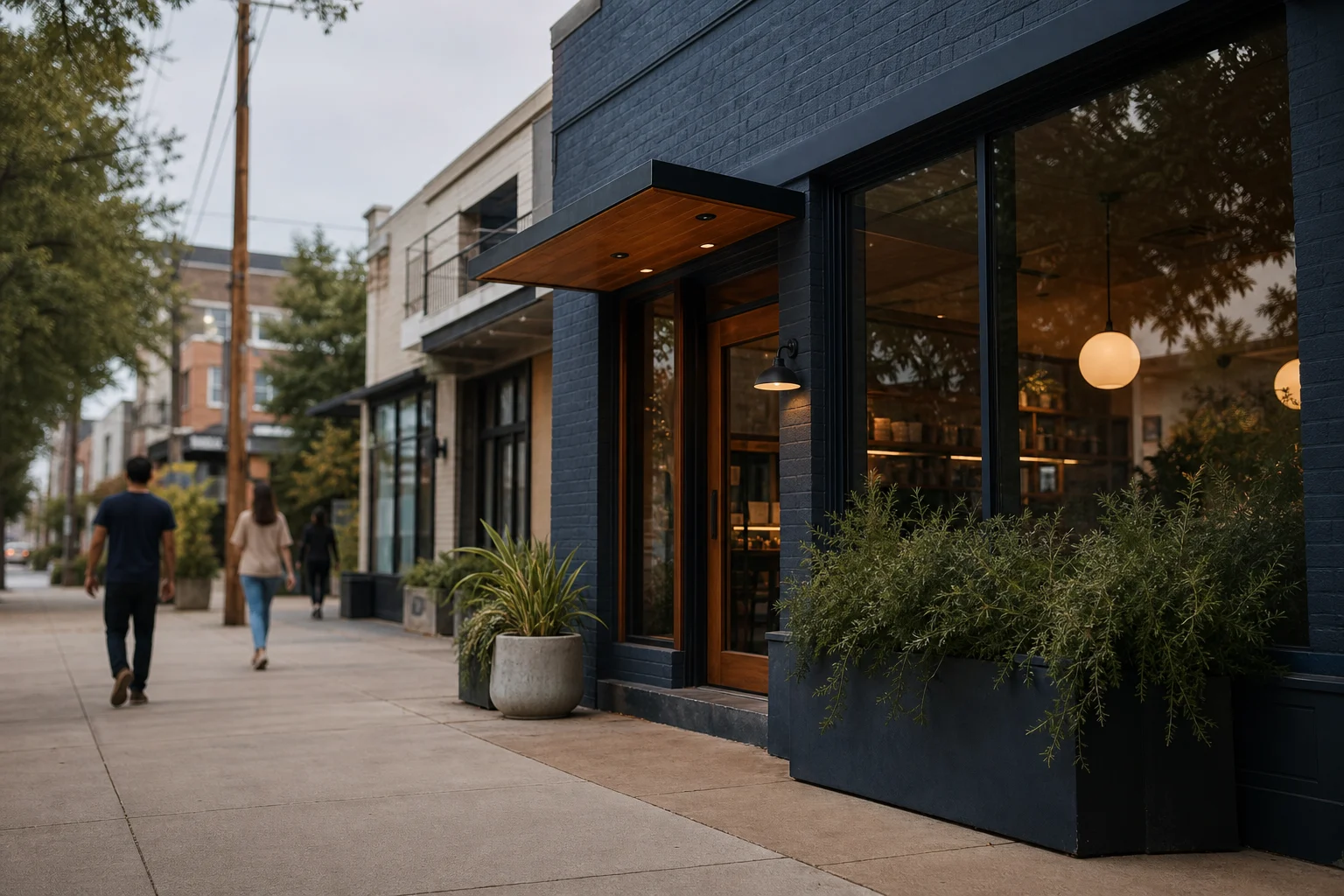
Equipment categories by launch format
When planning your boba shop equipment in Austin, the format you choose will significantly impact your equipment needs. A full-service boba shop requires different equipment than a kiosk or a grab-and-go counter. The rent level in Austin's top boba locations ranges from $45-70/sqft NNN in Hyde Park and North Loop to $65-95/sqft NNN in UT Campus/West Campus, which directly affects how much you can allocate to equipment versus space.
Essential equipment categories include beverage preparation systems, refrigeration, storage solutions, and point-of-sale systems. Each category has different cost implications based on your chosen format and location. For example, a full-service shop in Hyde Park might prioritize high-quality tea brewing equipment, while a kiosk near UT Campus might focus more on efficient refrigeration and quick-service capabilities.
The market temperature in Austin is mixed, meaning you'll need to balance initial equipment investment with operational efficiency. In areas with higher rent like UT Campus/West Campus, you might opt for more space-efficient equipment to maximize your limited square footage. Conversely, in areas like North Loop with a strong indie F&B scene, investing in distinctive equipment could help differentiate your brand.
Buildout assumptions that change the budget
Buildout requirements vary significantly across Austin's top boba locations, directly impacting your equipment budget. In Hyde Park, where rent runs roughly $45-70/sqft NNN, you might have more flexibility in buildout design and equipment placement. The area's strong walkability and dense residential base allow for thoughtful equipment layout that maximizes customer flow.
UT Campus/West presents different challenges with premium rent at roughly $65-95/sqft NNN. Here, space efficiency becomes paramount, potentially requiring more compact or multi-functional equipment. The area's maxed-out student index and near-ceiling daytime population density mean your equipment must handle high volume in a smaller footprint.
North Loop offers a middle ground with rent around $45-70/sqft NNN. The area's creative young-professional crowd, drawn to indie F&B establishments like Epoch Coffee and Flightpath Coffeehouse, might influence your equipment choices toward more artisanal or visually appealing preparation methods. Your buildout should consider how equipment aesthetics align with the neighborhood's vibe.
Before signing any lease, validate that your planned equipment will fit within the space's utility capabilities. Electrical requirements, ventilation needs, and plumbing connections can significantly impact buildout costs. In Austin's competitive boba market, these factors can make or break your budget.
New vs used equipment tradeoffs
The decision between new and used equipment affects both your initial investment and long-term operational costs. In Austin's medium-competition-density boba market, starting with used equipment can reduce upfront costs, allowing more budget for prime locations like Hyde Park or North Loop.
However, used equipment comes with risks. In high-traffic areas like UT Campus/West Campus, where equipment will endure heavy use, reliability is crucial. A breakdown during peak hours could cost more in lost sales than the savings from purchasing used equipment. The 78% score confidence in Locavisor's data suggests that understanding local usage patterns is key to making this decision.
New equipment typically comes with warranties and energy efficiency benefits, which can lower long-term operating costs. In Austin's mixed market temperature, where customer expectations are rising, newer equipment might provide better consistency in product quality—a critical factor for boba shops where taste and texture matter.
Consider the total cost of ownership, including maintenance, repairs, and energy consumption. In Austin's climate, energy-efficient equipment might offer significant savings over time, offsetting higher initial purchase costs. Your specific location's characteristics will influence this calculation—downtown locations might have higher electricity rates, while suburban areas might have different utility costs.
What to inspect in a second-generation space
When considering a second-generation space for your boba shop in Austin, thorough equipment inspection is essential. The existing infrastructure might reduce some buildout costs, but you must verify that it meets your specific equipment needs.
Inspect plumbing connections for beverage systems, electrical capacity for high-power equipment, and ventilation for cooking elements. In areas like Hyde Park with medium rent levels, you might have more flexibility to modify existing infrastructure, but in premium locations like UT Campus/West Campus, working with existing constraints might be necessary.
Look for signs of previous equipment use that could indicate issues. Water stains around plumbing connections might suggest leaks, while burn marks on countertops could indicate problems with previous cooking equipment. The competition density in Austin's boba market means you can't afford equipment failures that could impact service quality.
Verify that the space's layout accommodates your workflow and customer flow. In high-traffic areas like UT Campus/West Campus, efficient equipment placement is crucial for maintaining quick service times. The area's city-leading late-night daypart scores mean your equipment must perform well during extended hours.
Before committing to a lease, assess whether the existing utilities can support your planned equipment load. Upgrading electrical or plumbing systems can significantly increase buildout costs, potentially offsetting the savings from a second-generation space.
FAQ
What equipment do I need for A Boba Shop in Austin?
Essential equipment for a boba shop in Austin includes tea brewing systems, refrigeration for ingredients and prepared drinks, ice machines, cup storage, POS systems, and seating if you're offering a dine-in experience. The specific equipment needs will vary based on your chosen format—full-service, kiosk, or grab-and-go—and your location within Austin. Areas like Hyde Park, UT Campus/West Campus, and North Loop each present different space constraints and customer expectations that will influence your equipment choices.
How does location affect equipment costs in Austin?
Location significantly impacts equipment costs in Austin through rent levels and space constraints. In premium areas like UT Campus/West Campus with rent at $65-95/sqft NNN, you'll need more space-efficient equipment, which might be more expensive per unit. In areas like Hyde Park and North Loop with rent around $45-70/sqft NNN, you might have more flexibility in equipment selection and layout. The competition density and market temperature in each area also influence whether you should invest in premium equipment to differentiate your offerings.
Should I buy new or used equipment for my Austin boba shop?
The decision between new and used equipment depends on your budget, risk tolerance, and specific location. In Austin's mixed market temperature, new equipment offers reliability and warranty protection but comes with higher upfront costs. Used equipment can reduce initial investment but carries higher risks of breakdowns, which can be particularly problematic in high-traffic areas like UT Campus/West Campus. Consider the total cost of ownership, including maintenance and energy efficiency, when making this decision.
What buildout factors should I consider for my boba shop equipment?
Key buildout factors include utility capacity (electrical, plumbing, ventilation), space layout for efficient workflow, and compliance with local health regulations. In Austin's top boba locations, space constraints vary—UT Campus/West Campus requires maximum efficiency in minimal space, while Hyde Park and North Loop might allow for more thoughtful layout. Before signing a lease, verify that the existing infrastructure can support your planned equipment or budget for necessary upgrades.
How does Austin's climate affect boba shop equipment selection?
Austin's hot climate impacts equipment selection in several ways. You'll need robust refrigeration for ingredients and prepared drinks, efficient ice production, and possibly outdoor equipment if you plan patio service. The climate also affects energy consumption, making energy-efficient equipment a smart long-term investment. In areas with high foot traffic like UT Campus/West Campus, equipment that can handle extended hours in high temperatures is essential for consistent performance.
Last reviewed: 2026-05-07
Sources: U.S. Census Bureau ACS, LEHD LODES, Google Places, OpenStreetMap, Locavisor neighborhood scoring.
Methodology: Locavisor scores neighborhoods across demand, competition fit, rent fit, accessibility, and customer match. Scores reflect a snapshot of recent data and should be combined with on-the-ground research before lease decisions.
Disclaimer: This article provides informational content only and does not constitute legal, financial, accounting, or real-estate advice. Verify lease terms, licensing, local regulations, costs, and professional requirements with qualified local professionals before making business decisions.
Free preview shows top 3 neighborhoods. Full $9.99 report covers all 10 areas with personalized scoring + 90-day check-ins.
Informational only. Verify lease, licensing, local regulations, costs, and professional requirements with qualified local professionals.