Boston, MA · boba shop
Boba shop equipment costs Boston
Planning a boba shop in Boston requires careful consideration of equipment costs and buildout planning. The city's competitive boba market means your equipment choices will directly impact your operational efficiency and customer experience. Quincy Center / North Quincy (6.5/10) stands out as your best bet for a medium-budget boba shop in metro Boston, with the Red Line putting you 23 min from downtown and rent running roughly $30-50/sqft NNN — workable for a takeout-first concept.
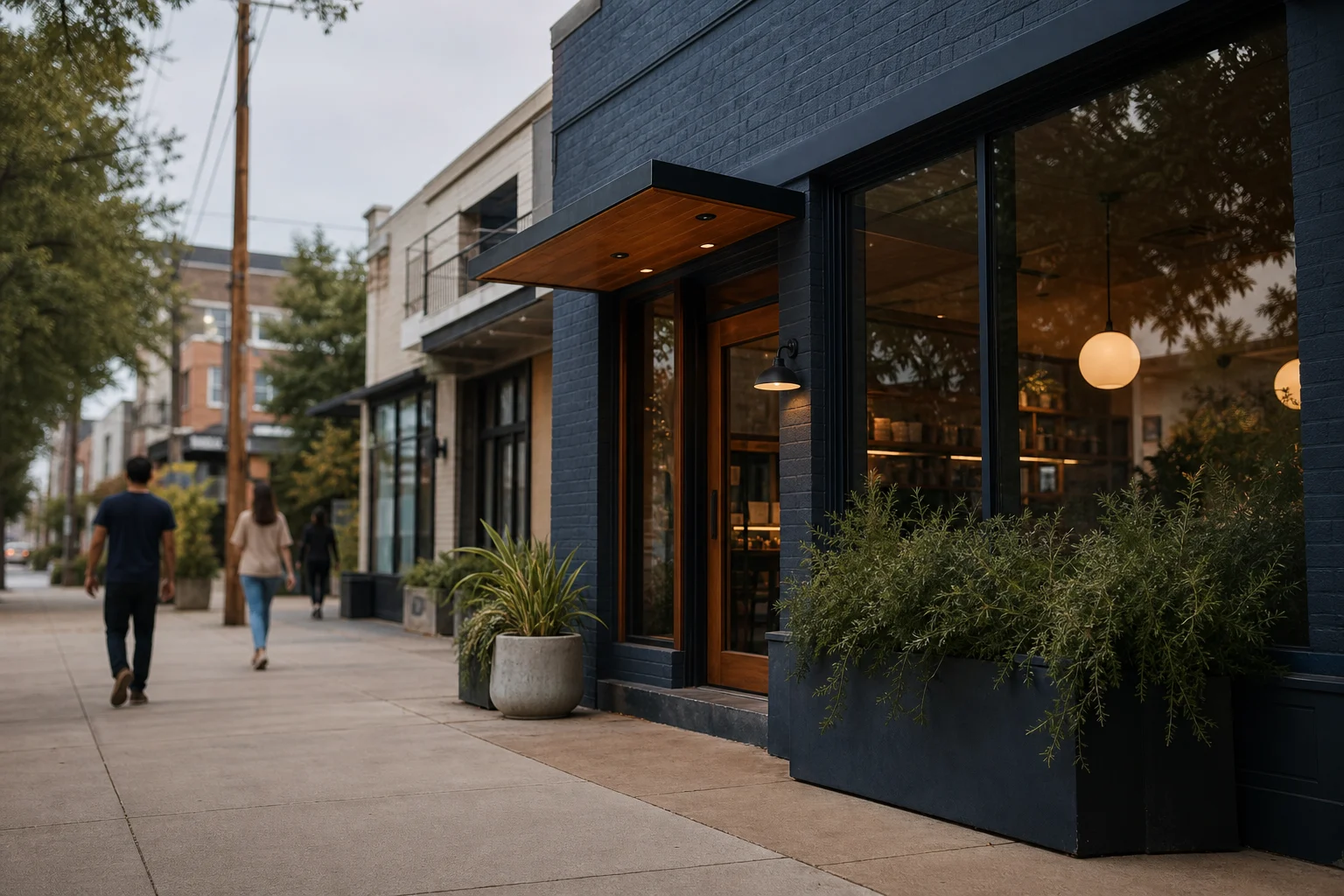
Equipment categories by launch format
Your equipment needs will vary based on your boba shop's format. A takeout-focused operation requires different equipment than a full-service shop with seating. The Quincy Center / North Quincy area already validates boba demand with Vivi Bubble Tea Cafe Quincy (4.2★, 605 reviews) 835m away, and Gong Cha (4.0★) and Kung Fu Tea (3.9★) clustering within 1.6km.
Essential equipment categories include beverage preparation systems, refrigeration units, point-of-sale systems, and seating fixtures. Each category has different cost implications based on your chosen format. A takeout model minimizes seating requirements but maximizes beverage production capacity. A full-service model balances both but requires more space and higher equipment investment.
Cambridge (Harvard Square) (6.3/10) presents a different scenario with premium rent ($65-95/sqft NNN) and direct competition from Gong Cha (4.2★, 96 reviews, 122m away) and Kung Fu Tea (4.3★, 250 reviews, 605m away). This area demands higher-quality equipment to compete effectively, increasing your initial investment but potentially justifying it with higher foot traffic.
Buildout assumptions that change the budget
Buildout requirements significantly impact your equipment budget. The rent level in your chosen location directly affects how much you can allocate to equipment versus leasehold improvements. Quincy Center / North Quincy offers a medium-high rent level that allows for balanced equipment investment.
Your buildout assumptions should consider plumbing requirements for sinks and ice machines, electrical capacity for multiple appliances, and ventilation systems for cooking equipment. These infrastructure needs vary by location and building type. Older buildings may require substantial buildout work, increasing your initial costs but potentially offering lower rent.
Cambridge (Kendall Square / MIT) (6.0/10) presents the most challenging scenario with trophy-tier rent ($90-140/sqft NNN) and a rentFit score of 0 for medium-budget operators. The area has the highest daytime population density and a student index at ceiling, with Teaholic Bubble Tea & Coffee (4.7★, 227 reviews) 540m away already dominating immediate boba demand. This location requires maximum efficiency in equipment selection to justify the premium rent.
New vs used equipment tradeoffs
Choosing between new and used equipment involves tradeoffs between upfront costs and longevity. New equipment offers warranties, energy efficiency, and modern features but comes with higher initial costs. Used equipment reduces upfront expenses but may require more maintenance and lack warranty coverage.
In Boston's mixed market temperature, the equipment decision should align with your business model and location strategy. Quincy Center / North Quincy's medium competition density allows for flexibility in equipment sourcing. You might invest in new core equipment like beverage machines while opting for used furniture and fixtures to balance costs.
The Harvard Square location's premium rent justifies investing in new, efficient equipment to maximize operational savings over time. The Kendall Square / MIT location's trophy rent demands maximum efficiency, potentially making new equipment with better energy efficiency a better long-term investment despite higher upfront costs.
What to inspect in a second-generation space
When considering a second-generation space for your boba shop, thorough inspection of existing equipment and infrastructure is crucial. Check the condition of plumbing, electrical systems, and ventilation that support boba shop operations. These elements are expensive to replace and can significantly impact your equipment budget.
Look for existing equipment that might be repurposed or remain in place. Some boba shops leave behind refrigeration units or beverage systems that could be incorporated into your setup. However, verify that any existing equipment meets health codes and your operational standards before committing to a space.
In Boston's competitive market, a second-generation space in Quincy Center / North Quincy could offer significant equipment cost savings if properly evaluated. The area's medium-high rent level makes repurposing existing infrastructure particularly valuable. Similarly, in Cambridge locations, the ability to leverage existing equipment can help offset premium rent costs.
FAQ
What equipment do I need for A Boba Shop in Boston?
Your boba shop equipment needs will depend on your specific format and location. Essential equipment typically includes beverage dispensers for tea and milk, shaking machines for mixing, refrigeration for ingredients, ice machines, POS systems, and appropriate seating if offering a dine-in experience. The Quincy Center / North Quincy area with its medium-high rent level requires careful equipment planning to balance initial investment with operational efficiency. In premium locations like Cambridge (Harvard Square) and Cambridge (Kendall Square / MIT), higher-quality equipment may be necessary to compete effectively with established players like Gong Cha and Teaholic Bubble Tea & Coffee.
Last reviewed: 2026-05-08
Sources: U.S. Census Bureau ACS, LEHD LODES, Google Places, OpenStreetMap, Locavisor neighborhood scoring.
Methodology: Locavisor scores neighborhoods across demand, competition fit, rent fit, accessibility, and customer match. Scores reflect a snapshot of recent data and should be combined with on-the-ground research before lease decisions.
Disclaimer: This article provides informational content only and does not constitute legal, financial, accounting, or real-estate advice. Verify lease terms, licensing, local regulations, costs, and professional requirements with qualified local professionals before making business decisions.
Free preview shows top 3 neighborhoods. Full $9.99 report covers all 10 areas with personalized scoring + 90-day check-ins.
Informational only. Verify lease, licensing, local regulations, costs, and professional requirements with qualified local professionals.