Chicago, IL · boba shop
Boba shop equipment costs Chicago
Opening a boba shop in Chicago requires careful planning around equipment and buildout costs. The equipment you choose directly impacts your operational efficiency, customer experience, and long-term profitability. Chicago's competitive market, with established players like TE'AMO Boba & Dessert and Kung Fu Tea, means your setup needs to be both functional and strategically positioned. The equipment decisions you make will affect everything from how quickly you can serve customers to how much you'll spend on utilities and maintenance.
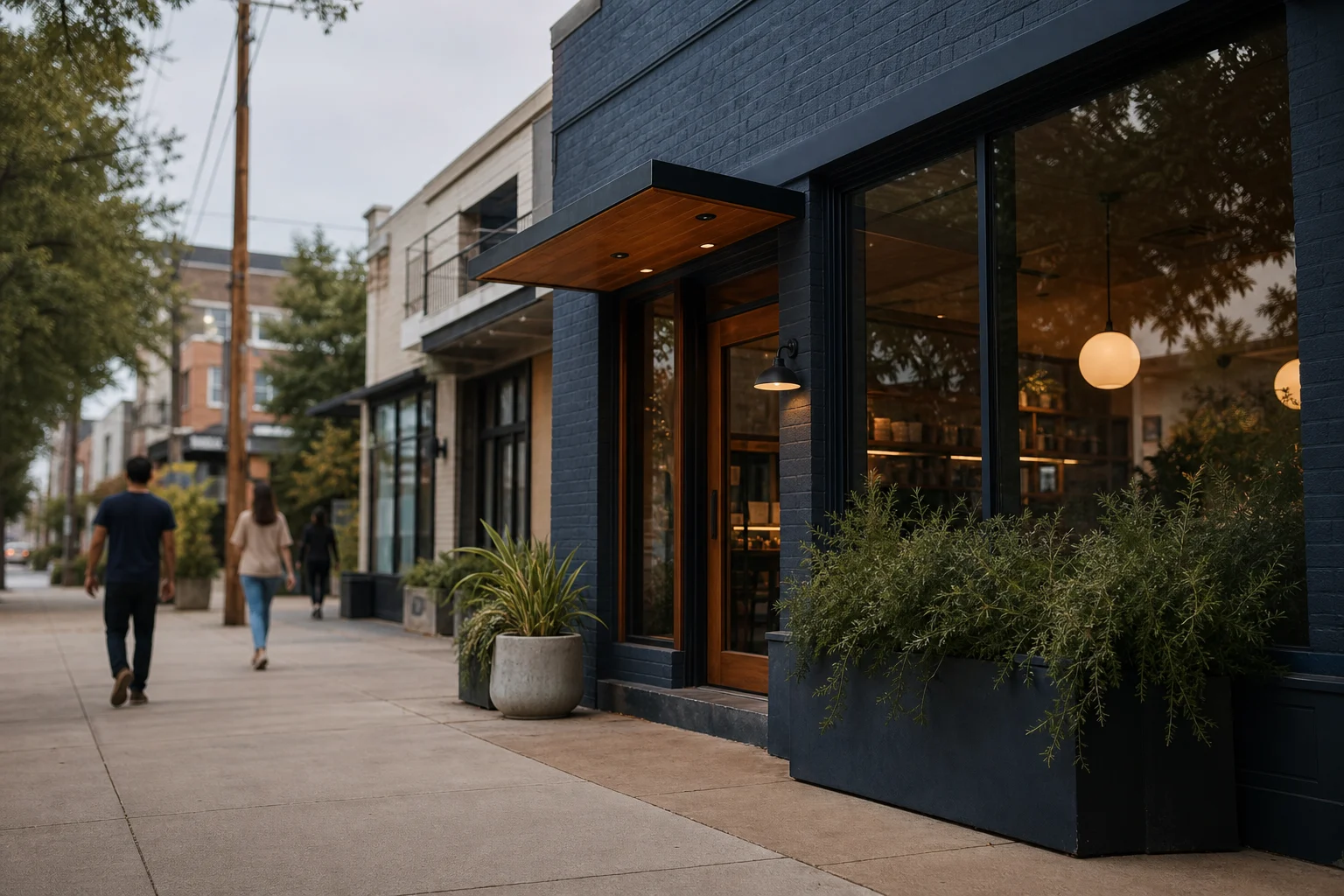
What equipment do you need to open a boba shop in Chicago?
The core equipment for a boba shop typically includes:
- Boba tea brewing systems (tea brewers, syrup makers)
- Refrigeration (for milk, toppings, and ingredients)
- Blenders (for mixing drinks)
- Point of sale (POS) system
- Ice machines
- Storage solutions
- Cleaning and sanitation equipment
- Display cases for toppings and ingredients
In Chicago's neighborhoods like Hyde Park (overall score 6.4/10, rent band $22-$80/sqft/yr NNN) and Chinatown (overall score 6.3/10, rent band $22-$80/sqft/yr NNN), space constraints and local regulations will influence your equipment choices. The rent bands in these areas, as verified by Locavisor research, mean you need to maximize every square foot of your shop while ensuring compliance with local health and safety standards. What equipment do I need to open a boba shop in Chicago? This question drives every decision about your buildout and operational setup.
Buildout cost categories
Plumbing and electrical
Plumbing and electrical work represents a significant portion of your buildout costs. In Chicago, you'll need to install:
- Dedicated water lines for tea brewing and cleaning
- Proper drainage for ice machines and sinks
- Sufficient electrical capacity for refrigeration, blenders, and POS systems
- Backup power considerations
The rent bands in neighborhoods like Devon Ave / West Ridge (overall score 6.1/10, rent band $22-$80/sqft/yr NNN) and Rogers Park (overall score 6.1/10, rent band $22-$80/sqft/yr NNN) mean you need to balance upfront buildout costs with long-term operational efficiency. Proper plumbing and electrical installation prevents future costly repairs and ensures your equipment runs optimally. In Chicago's older buildings, electrical systems may require upgrades to handle modern commercial kitchen equipment.
HVAC and ventilation
Chicago's climate requires robust HVAC and ventilation systems. Your buildout must include:
- Commercial-grade HVAC to maintain consistent temperatures
- Exhaust systems for cooking and brewing areas
- Air circulation to prevent condensation and maintain ingredient quality
- Filtration systems to manage odors and maintain air quality
In neighborhoods like Edgewater (overall score 6.0/10, rent band $22-$80/sqft/yr NNN), where customer experience is paramount, proper climate control directly impacts customer comfort and product quality. Chicago's extreme temperature variations mean your HVAC system needs to handle both sweltering summers and freezing winters while maintaining ideal conditions for tea brewing and ingredient storage.
Flooring and finishes
Flooring and finishes affect both aesthetics and functionality:
- Slip-resistant flooring for safety
- Easy-to-clean surfaces
- Durable materials that withstand high foot traffic
- Aesthetic choices that align with your brand
The rent bands across Chicago's top boba neighborhoods indicate that investing in quality finishes can enhance your shop's appeal and justify higher rent in competitive areas. In neighborhoods like Hyde Park, where TE'AMO Boba & Dessert and Uni Uni Boba operate, distinctive flooring can contribute to your brand identity while meeting the practical demands of a high-traffic food service establishment.
Permits-driven items
Chicago requires specific permits for food service establishments:
- Health department permits
- Building permits for structural changes
- Fire safety compliance
- Accessibility requirements
These permits often dictate specific equipment placements and buildout requirements. Always verify current requirements with the City of Chicago's Department of Business Affairs and Consumer Protection. The permitting process in Chicago can be complex, with different requirements for each neighborhood and building type.
Furniture and signage
Furniture and signage complete your customer experience:
- Service counters and display cases
- Seating arrangements (if applicable)
- Interior and exterior signage
- Brand-aligned decor elements
In competitive neighborhoods like Hyde Park, where TE'AMO Boba & Dessert and Uni Uni Boba operate, distinctive furniture and signage can help your shop stand out. Your equipment layout should integrate seamlessly with your furniture choices to create an efficient workflow that enhances the customer experience.
Equipment line items to validate in Chicago
When planning your equipment purchases for a Chicago boba shop, consider these essential line items:
- Boba tea brewing systems - Multiple sizes and configurations available
- Refrigeration units - Critical for ingredient preservation in Chicago's climate
- Blenders - High-powered models for consistent drink quality
- POS systems - Integrated solutions for order taking and inventory management
- Ice machines - Essential for Chicago's warm months
- Storage solutions - Optimized for small spaces in urban locations
- Cleaning equipment - Commercial-grade for health code compliance
- Display cases - For showcasing toppings and ingredients
Each of these items requires careful consideration based on your specific menu, space constraints, and budget. In Chicago's rent bands of $22-$80/sqft/yr NNN, every square foot counts, so choose equipment that maximizes functionality without wasting valuable space.
How established operators in Chicago configure their kitchens
Looking at successful boba shops in Chicago provides valuable insights into equipment configuration. TE'AMO Boba & Dessert in Hyde Park and Chinatown utilizes a streamlined setup that maximizes counter space while maintaining efficient workflow. Their configuration likely includes:
- Centralized brewing station
- Refrigerated display cases for toppings
- Integrated POS system at service counter
- Dedicated cleaning station
- Storage solutions that don't obstruct customer flow
Kung Fu Tea, with locations across Chicago, demonstrates how equipment placement affects service speed. Their layouts prioritize quick access to frequently used items while maintaining an appealing customer-facing presentation. Saint's Alp Teahouse in Chinatown shows how equipment choices can reflect brand identity - their setup likely emphasizes traditional tea preparation methods alongside modern boba-making equipment.
Elitea (Elite Boba) in Chinatown and Fruitful Delight Smoothie, Juice & Bubble Tea Cafe in Hyde Park represent another approach, focusing on efficient use of limited space while maintaining a wide variety of drink options. These established operators understand that equipment configuration directly impacts customer wait times and overall satisfaction in Chicago's fast-paced environment.
Used vs. new vs. lease
When acquiring equipment for your Chicago boba shop, consider these options:
New equipment advantages:
- Warranty coverage
- Latest technology
- Energy efficiency
- Predictable maintenance schedule
Used equipment considerations:
- Lower upfront cost
- Potential for immediate availability
- Risk of unknown maintenance history
- May lack latest features
Leasing options:
- Lower initial investment
- Equipment upgrades possible
- Fixed monthly costs
- Potential tax advantages
In Chicago's competitive market, the right equipment choice depends on your budget, timeline, and long-term business strategy. Rent bands in neighborhoods like Rogers Park (overall score 6.1/10, rent band $22-$80/sqft/yr NNN) mean you need to balance upfront costs with operational efficiency. Many successful Chicago boba shops start with a mix of new and used equipment to optimize their initial investment.
Buildout timeline
Chicago buildouts for boba shops typically follow this timeline:
- Permitting phase (a variable local timeline): Submitting plans to city agencies
- Construction phase (a variable local timeline): Plumbing, electrical, and structural work
- Equipment installation (a variable local timeline): Setting up brewing systems and refrigeration
- Final inspections (1 week): Health department and building code compliance
- Staff training (1 week): Learning the new equipment and workflows
Timeline can vary based on neighborhood-specific requirements and contractor availability in Chicago. The buildout process in neighborhoods like Chinatown may face additional considerations due to higher foot traffic and existing commercial infrastructure.
Common buildout overruns
Chicago boba shop buildouts often encounter these challenges:
- Permit delays: City agency processing times can extend timelines
- Unexpected structural issues: Older buildings may require additional work
- Supply chain disruptions: Equipment delivery delays are common
- Weather-related delays: Chicago's climate can impact outdoor work
- Code compliance surprises: Updated regulations may require design changes
Planning for these potential overruns helps maintain your budget and opening timeline. Many Chicago boba shop owners recommend adding 15-20% to your initial buildout budget to account for unexpected costs.
| Neighborhood | Locavisor score | Rent band | Local operator signal | Founder validation check |
|---|---|---|---|---|
| Hyde Park | 6.4/10 | $22-$80/sqft/yr NNN | TE'AMO Boba & Dessert - Hyde Park, Uni Uni Boba | Check utility capacity, ventilation, plumbing, storage, and fixture layout. |
| Chinatown | 6.3/10 | $22-$80/sqft/yr NNN | Uni Uni Boba, TE'AMO Boba & Dessert. - Chinatown | Check utility capacity, ventilation, plumbing, storage, and fixture layout. |
| Devon Ave / West Ridge | 6.1/10 | $22-$80/sqft/yr NNN | Taichi Bubble Tea, Ramen and Poke Bowl - Rogers Park, TE'AMO BOBA x LAO SZECHUAN x COTTI COFFEE | Check utility capacity, ventilation, plumbing, storage, and fixture layout. |
| Rogers Park | 6.1/10 | $22-$80/sqft/yr NNN | Taichi Bubble Tea, Ramen and Poke Bowl - Rogers Park, TE'AMO BOBA x LAO SZECHUAN x COTTI COFFEE | Check utility capacity, ventilation, plumbing, storage, and fixture layout. |
| Edgewater | 6.0/10 | $22-$80/sqft/yr NNN | Eli Tea Bar, Uni Uni Boba | Check utility capacity, ventilation, plumbing, storage, and fixture layout. |
FAQ
What equipment do I need to open a boba shop in Chicago?
To open a boba shop in Chicago, you'll need: boba tea brewing systems, refrigeration units, blenders, POS systems, ice machines, storage solutions, cleaning equipment, and display cases. The specific configuration depends on your shop size, menu, and neighborhood requirements. Consider consulting with established operators like TE'AMO Boba & Dessert or Kung Fu Tea to understand local best practices.
How much does equipment cost for a boba shop in Chicago?
Equipment costs vary widely based on quality, size, and whether you choose new or used options. In Chicago's neighborhoods with rent bands of $22-$80/sqft/yr NNN, many operators balance upfront investment with long-term operational efficiency. Always verify current pricing with local suppliers and consider the total cost of ownership, including maintenance and energy consumption.
Do I need special permits for boba shop equipment in Chicago?
Yes, Chicago requires permits for food service equipment installation. You'll need health department approval and potentially building permits depending on the scope of your buildout. Always consult with the City of Chicago's Department of Business Affairs and Consumer Protection for the most current requirements. Different neighborhoods may have additional local regulations to consider.
Last reviewed: 2026-05-30
Sources: U.S. Census Bureau ACS, LEHD LODES, Google Places, OpenStreetMap, Locavisor neighborhood scoring.
Methodology: Locavisor scores neighborhoods across demand, competition fit, rent fit, accessibility, and customer match. Scores reflect a snapshot of recent data and should be combined with on-the-ground research before lease decisions.
Disclaimer: This article provides informational content only and does not constitute legal, financial, accounting, or real-estate advice. Verify lease terms, licensing, local regulations, costs, and professional requirements with qualified local professionals before making business decisions.
Free preview shows top 3 neighborhoods. Full $9.99 report covers all 10 areas with personalized scoring + 90-day check-ins.
Informational only. Verify lease, licensing, local regulations, costs, and professional requirements with qualified local professionals.