Columbus, OH · boba shop
Boba shop equipment costs Columbus
Opening a boba shop in Columbus requires careful planning around equipment and buildout costs. The equipment you choose directly impacts your operational efficiency, customer experience, and long-term profitability. Columbus offers several promising neighborhoods for boba shops, each with its own rent bands and customer demographics. Understanding the equipment needs and buildout requirements specific to Columbus will help you make informed decisions that align with your business model and budget constraints.
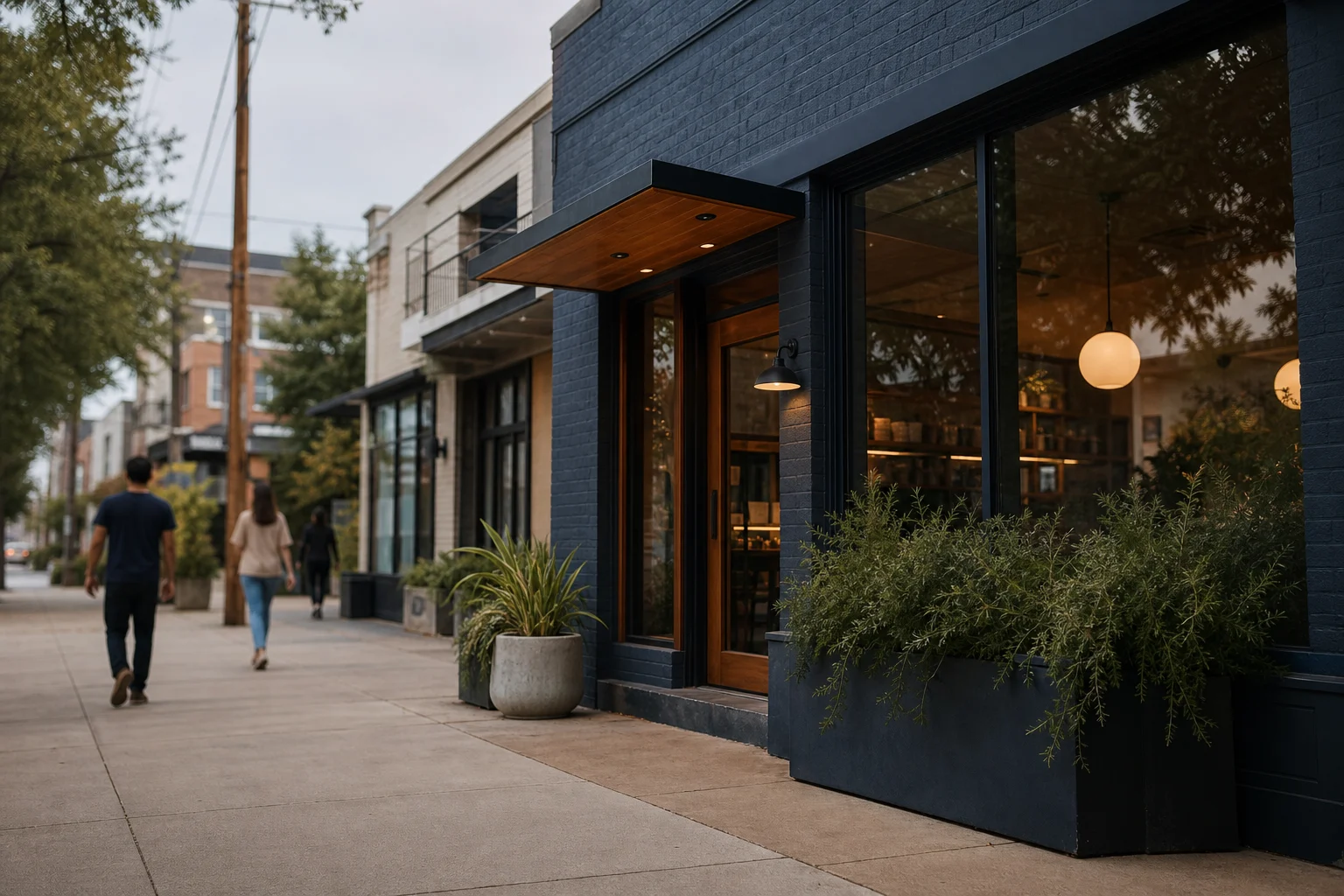
What equipment do you need to open a boba shop in Columbus?
The core equipment for a boba shop typically includes tea brewing systems, refrigeration units, point-of-sale systems, and specialized tools for preparing tapioca pearls and other toppings. In Columbus, you'll need to consider how your equipment choices interact with local utility infrastructure and space constraints. The rent bands in Columbus neighborhoods like Easton ($13-$34/sqft/yr NNN) and the OSU Campus/University District ($13-$34/sqft/yr NNN) influence how much space you can afford, which in turn affects your equipment layout and selection.
When planning your equipment needs, consider the specific demands of Columbus customers. Local operators like Little Cat Boba and Darshan Bubble Tea in Easton have established what customers expect in terms of drink quality and speed of service. Your equipment should support efficient preparation to meet these customer expectations, especially during peak hours when wait times can become an issue as noted in some local reviews.
Buildout cost categories
Plumbing and electrical
Plumbing and electrical work represents a significant portion of your buildout costs. For a boba shop, you'll need dedicated plumbing for sink stations, possibly an ice machine, and any specialized beverage preparation equipment. Electrical requirements include sufficient power for refrigeration units, brewing equipment, and POS systems. In Columbus neighborhoods with older buildings, you may encounter higher costs for bringing electrical systems up to code, particularly in areas like the Short North where historic buildings are common.
HVAC and ventilation
Proper ventilation is critical for boba shops, especially when brewing teas and preparing food items. Columbus summers can be hot and humid, making effective HVAC systems essential for both customer comfort and equipment longevity. The ventilation needs will vary based on your specific menu and preparation methods. In neighborhoods like Italian Village, where many buildings are mixed-use, you may face additional requirements for exhaust systems that meet local codes.
Flooring and finishes
Flooring choices impact both safety and aesthetics. In high-traffic areas like Easton Town Center, durable, slip-resistant flooring is essential. The finishes you select should withstand constant foot traffic while maintaining the aesthetic you want to project. Columbus boba shops like Bee Bubbly and Racha Tea Boba and Desserts have established that customers appreciate clean, modern environments, which influences finish selections.
Permits-driven items
Building permits in Columbus will dictate certain equipment installations and modifications. You'll need to verify requirements with the City of Columbus Division of Building and Zoning Services. Some equipment may require specific certifications or installations that affect your buildout timeline and costs. Always factor in permit approval time when planning your opening schedule.
Furniture and signage
Furniture selection impacts both customer experience and space utilization. In Columbus neighborhoods with higher rent bands like Easton ($13-$34/sqft/yr NNN), maximizing seating efficiency becomes crucial. Signage requirements vary by neighborhood, with some areas having specific guidelines about size, placement, and illumination.
Equipment line items to validate in Columbus
When sourcing equipment for your Columbus boba shop, focus on items that directly impact your core operations:
- Tea brewing systems suitable for high-volume service
- Refrigeration for milk, fruits, and other perishables
- POS systems that integrate with mobile ordering (important given Columbus customers' tech-savviness)
- Tapioca pearl cookers and storage systems
- Blenders for smoothies and specialty drinks
- Ice machines and storage
- Display cases for toppings and add-ons
Consider how these items will fit within your chosen Columbus location's layout. The rent bands in areas like Bexley ($13-$34/sqft/yr NNN) mean space efficiency is paramount. Equipment that serves multiple functions or has a smaller footprint may be more suitable for these locations.
How established operators in Columbus configure their kitchens
Local boba shops in Columbus have developed efficient kitchen configurations that balance speed and quality. Kung Fu Tea on OSU Campus, for example, likely optimized their layout for quick service to accommodate student traffic. Their setup probably includes strategically placed brewing stations, prep areas, and pickup zones to minimize movement during peak hours.
In Easton, operators like Vivi Bubble Tea and First Corner Bubble Tea have created layouts that handle high customer volume while maintaining drink quality. These configurations often feature dedicated stations for different drink components, allowing multiple orders to be prepared simultaneously. The layout must accommodate both mobile app orders (with separate pickup areas) and in-person customers.
Used vs. new vs. lease
Deciding between used, new, or leased equipment depends on your budget and risk tolerance. Used equipment can save money initially but may require more maintenance. New equipment offers reliability and warranty coverage but comes with higher upfront costs. Leasing provides flexibility but results in higher long-term expenses.
In Columbus's competitive boba market, having reliable equipment can be a differentiator. Customers notice when drinks are prepared quickly and consistently, which requires well-maintained, efficient equipment. Consider the total cost of ownership rather than just the initial purchase price.
Buildout timeline
Your buildout timeline will depend on several factors specific to Columbus:
- Permit approval times (can vary by neighborhood)
- Availability of local contractors familiar with boba shop requirements
- Equipment delivery schedules
- Weather considerations (Columbus winters can delay outdoor work)
Plan for unexpected delays, especially when working with older buildings or in historic districts like the Short North. Building relationships with local contractors who understand Columbus's specific requirements can help smooth the process.
Common buildout overruns
Several factors commonly lead to budget overruns in Columbus boba shop buildouts:
- Unexpected structural issues, particularly in older buildings
- Utility upgrades to meet equipment demands
- Permitting delays or additional requirements
- Higher-than-expected material costs
- Changes to layout after initial plans are approved
Contingency planning is essential. Many successful Columbus boba shop owners recommend allocating 15-20% of your buildout budget for unexpected costs.
| Neighborhood | Locavisor score | Rent band | Local operator signal | Founder validation check |
|---|---|---|---|---|
| Easton | 6.1/10 | $13-$34/sqft/yr NNN | Little Cat Boba, Darshan Bubble Tea | Check utility capacity, ventilation, plumbing, storage, and fixture layout. |
| OSU Campus / University District | 5.7/10 | $13-$34/sqft/yr NNN | Millions of Milk Tea, Vivi Bubble Tea | Check utility capacity, ventilation, plumbing, storage, and fixture layout. |
| Italian Village | 5.7/10 | $13-$34/sqft/yr NNN | Little Cat Boba, Millions of Milk Tea | Check utility capacity, ventilation, plumbing, storage, and fixture layout. |
| Short North | 5.7/10 | $13-$34/sqft/yr NNN | Little Cat Boba, Millions of Milk Tea | Check utility capacity, ventilation, plumbing, storage, and fixture layout. |
| Bexley | 5.6/10 | $13-$34/sqft/yr NNN | First Corner Bubble Tea, Little Cat Boba | Check utility capacity, ventilation, plumbing, storage, and fixture layout. |
FAQ
What equipment do I need to open a boba shop in Columbus?
To open a boba shop in Columbus, you'll need tea brewing systems, refrigeration units, POS systems, tapioca pearl cookers, blenders, ice machines, and display cases for toppings. The specific equipment will depend on your menu and space constraints, with neighborhoods like Easton ($13-$34/sqft/yr NNN) requiring more space-efficient solutions.
How do Columbus neighborhoods affect equipment choices?
Columbus neighborhoods with higher rent bands like Easton ($13-$34/sqft/yr NNN) and the OSU Campus/University District ($13-$34/sqft/yr NNN) necessitate space-efficient equipment. Historic districts like the Short North may have restrictions on certain equipment types or require specific ventilation systems.
What permits do I need for a boba shop in Columbus?
You'll need building permits from the City of Columbus Division of Building and Zoning Services, plus potentially health department permits. Specific requirements vary by neighborhood and the extent of your buildout. Always verify requirements with local authorities before starting construction.
Last reviewed: 2026-05-30
Sources: U.S. Census Bureau ACS, LEHD LODES, Google Places, OpenStreetMap, Locavisor neighborhood scoring.
Methodology: Locavisor scores neighborhoods across demand, competition fit, rent fit, accessibility, and customer match. Scores reflect a snapshot of recent data and should be combined with on-the-ground research before lease decisions.
Disclaimer: This article provides informational content only and does not constitute legal, financial, accounting, or real-estate advice. Verify lease terms, licensing, local regulations, costs, and professional requirements with qualified local professionals before making business decisions.
Free preview shows top 3 neighborhoods. Full $9.99 report covers all 10 areas with personalized scoring + 90-day check-ins.
Informational only. Verify lease, licensing, local regulations, costs, and professional requirements with qualified local professionals.