Denver, CO · boba shop
Boba shop equipment costs Denver
Opening a boba shop in Denver means balancing equipment choices with buildout constraints, especially in neighborhoods where rent bands and local competition shape every decision. The pressure to get equipment right-without overspending or underinvesting-can make or break a startup. Denver's market, with its mix of high-rent downtown areas and more affordable pockets, demands clarity on what you need and how to plan for it.
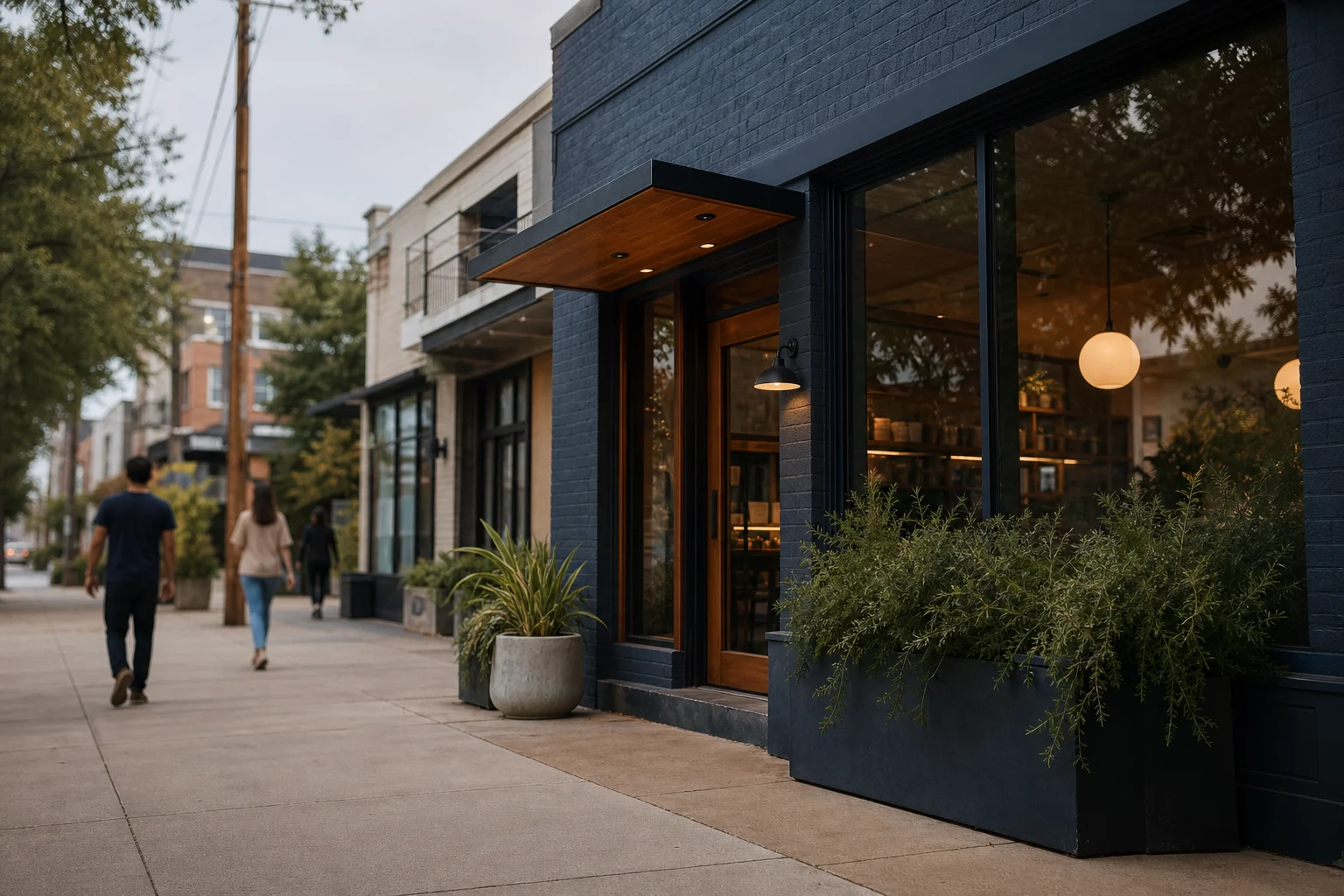
What equipment do you need to open a boba shop in Denver?
A boba shop's core equipment hinges on three pillars: tea preparation, beverage assembly, and customer service. For Denver, this means prioritizing durability (think steam and heat resistance) and efficiency (to handle peak hours in busy neighborhoods like LoDo or Cherry Creek). Key line items typically include:
- Tea brewing systems: Commercial-grade brewers for loose-leaf or powdered tea, critical for consistency in spots like Tao Boba or Milk Tea People.
- Refrigeration: Reach-in coolers for tapioca pearls, milk, and toppings-essential in areas with high foot traffic, where freshness drives repeat business.
- Blenders and mixers: High-speed blenders for smoothies and frappés, plus handheld mixers for boba drinks.
- ** POS and payment systems**: Integrated tools to handle orders, inventory, and customer data, especially in compact spaces like those in LoDo.
- Storage and prep tables: Stainless steel surfaces for ingredient prep, plus shelving for supplies.
Buildout cost categories
Buildout costs in Denver vary by neighborhood, but they all break down into five key areas: plumbing, electrical, HVAC, finishes, and permits. Each impacts equipment placement and long-term functionality.
Plumbing and electrical
Plumbing is non-negotiable for tea brewers, sinks, and ice machines. Denver's older buildings (common in LoDo or Baker) may require upgrades to handle commercial-grade water pressure, adding hidden costs. Electrical work is equally critical: blenders, refrigerators, and POS systems need dedicated circuits, and some equipment (like large brewers) may require 220V power-something to verify with a licensed electrician.
HVAC and ventilation
Flooring and finishes
Permits-driven items
Furniture and signage
Equipment line items to validate in Denver
Not all equipment is equal in Denver's market. Local operators like Tao Boba (LoDo) and KUTEA (Baker) prioritize reliability over novelty. For example:
- Tea brewers: Commercial-grade models that handle high-volume brewing without constant maintenance-critical in spots with 30-45 minute wait times during peak hours (a common pain point noted in reviews).
- Refrigeration: Energy-efficient coolers to reduce utility costs, especially in neighborhoods with higher rent (like Cherry Creek, where every dollar counts).
- POS systems: Cloud-based tools that integrate with delivery apps (e.g., DoorDash) to capture online orders, a must in areas with high delivery demand.
These choices aren't just about function-they're about matching equipment to Denver's local context, where competition (like Milk Tea People or Boba & Crepes) and customer expectations (quick service, fresh ingredients) drive decisions.
How established operators in Denver configure their kitchens
Used vs. new vs. lease
Denver's boba market offers options for equipment sourcing, but each has trade-offs:
- New equipment: Comes with warranties and the latest features, but higher upfront costs-tough in high-rent areas like Cherry Creek.
- Used equipment: Cheaper upfront, but may require repairs. Local operators like Boba Botanica Cafe (LoDo) sometimes mix new and used to save money.
- Leased equipment: Spreads costs over time, ideal for startups with tight cash flow. However, leases may include hidden fees, so read terms carefully.
Buildout timeline
Denver's permitting process can add weeks to a buildout. Start with plumbing and electrical permits early-they often take a variable local timeline. Finishes (flooring, paint) come next, followed by equipment installation. In busy neighborhoods like LoDo, contractors may be booked months in advance, so plan ahead.
Common buildout overruns
Unexpected costs are common in Denver:
- Permit delays: Denver's health department may request additional inspections, pushing timelines back.
Buffering your schedule and budget for these is critical-especially in high-rent areas where downtime means lost revenue.
| Neighborhood | Locavisor score | Rent band | Local operator signal | Founder validation check |
|---|---|---|---|---|
| LoDo (Lower Downtown) | 6.9/10 | $48/sqft/yr NNN | Tao Boba. A Modern Coffee + Boba Tea Bar, Milk Tea People | Check utility capacity, ventilation, plumbing, storage, and fixture layout. |
| RiNo (River North Art District) | 6.6/10 | $48/sqft/yr NNN | Milk Tea People, Tao Boba. A Modern Coffee + Boba Tea Bar | Check utility capacity, ventilation, plumbing, storage, and fixture layout. |
| Five Points | 6.3/10 | $26-$75/sqft/yr NNN | Milk Tea People, Tao Boba. A Modern Coffee + Boba Tea Bar | Check utility capacity, ventilation, plumbing, storage, and fixture layout. |
| Baker | 6.0/10 | $26-$75/sqft/yr NNN | Milk Tea People, Tao Boba. A Modern Coffee + Boba Tea Bar | Check utility capacity, ventilation, plumbing, storage, and fixture layout. |
| Cherry Creek | 5.8/10 | $75/sqft/yr NNN | Niko Niko Boba, Gong cha - Glendale | Check utility capacity, ventilation, plumbing, storage, and fixture layout. |
FAQ
What permits do I need to open a boba shop in Denver?
You'll need a food service license from Denver's Department of Public Health and Environment, plus building permits for plumbing, electrical, and HVAC. Check with the city's planning department for neighborhood-specific requirements (e.g., LoDo may have stricter signage rules).
How do Denver's rent bands affect equipment choices?
Should I buy used equipment for my Denver boba shop?
Used equipment can save money, but inspect it thoroughly. Look for signs of wear (e.g., rust on blenders, worn seals on refrigerators) and ask for maintenance records. Local operators like KUTEA (Baker) have had success with used equipment, but weigh the risk against your budget.
What's the biggest equipment-related challenge in Denver's boba market?
Balancing space and functionality. In high-rent areas like LoDo, every square foot counts-so choose equipment that serves multiple purposes (e.g., a blender that also handles smoothies). In lower-rent areas, you can afford more, but don't overbuy-stick to what your target customers (e.g., students in Five Points, professionals in Cherry Creek) actually use.
Last reviewed: 2026-05-30
Sources: U.S. Census Bureau ACS, LEHD LODES, Google Places, OpenStreetMap, Locavisor neighborhood scoring.
Methodology: Locavisor scores neighborhoods across demand, competition fit, rent fit, accessibility, and customer match. Scores reflect a snapshot of recent data and should be combined with on-the-ground research before lease decisions.
Disclaimer: This article provides informational content only and does not constitute legal, financial, accounting, or real-estate advice. Verify lease terms, licensing, local regulations, costs, and professional requirements with qualified local professionals before making business decisions.
Free preview shows top 3 neighborhoods. Full $9.99 report covers all 10 areas with personalized scoring + 90-day check-ins.
Informational only. Verify lease, licensing, local regulations, costs, and professional requirements with qualified local professionals.