Detroit, MI · boba shop
Boba shop equipment costs Detroit
Planning a boba shop in Detroit requires careful consideration of equipment costs and buildout requirements. The city offers several promising neighborhoods for this venture, each with unique characteristics that impact your equipment needs and budget planning. Understanding these factors is crucial for making informed decisions about your boba shop equipment costs Detroit.
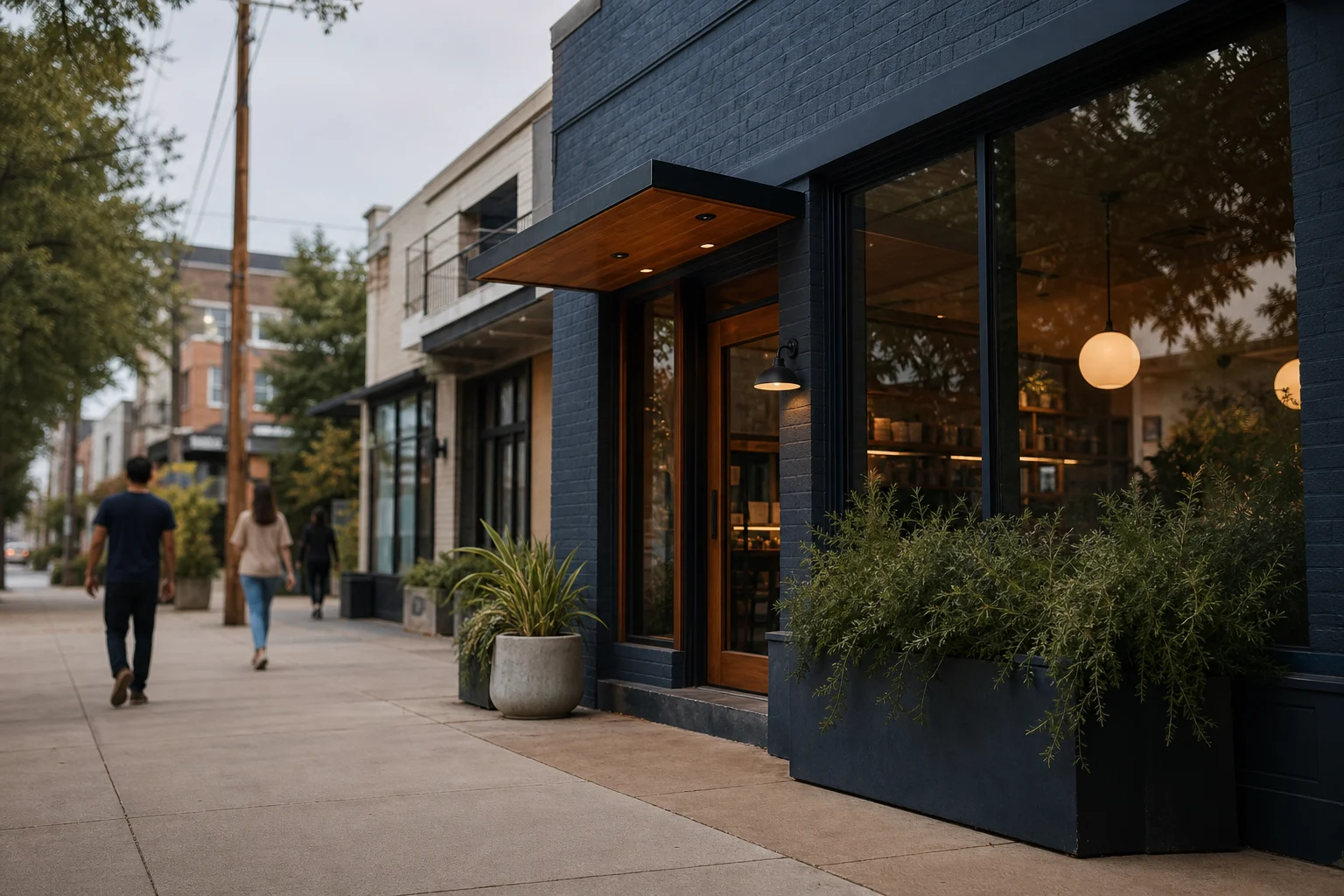
Equipment categories by launch format
When planning your boba shop in Detroit, the equipment categories you'll need depend on your chosen launch format. Whether you're planning a full-service shop with seating, a grab-and-go counter, or a kiosk model, each format requires different equipment investments. The equipment categories generally include:
- Beverage preparation equipment
- Refrigeration and storage
- Point of sale systems
- Seating and furniture (if applicable)
- Decor and branding elements
The specific equipment needs will vary based on your location within Detroit. For instance, a boba shop in Downtown Detroit might focus on efficient counter service to handle the weekday worker traffic of approximately 10,500 people within 800m. In contrast, a Lafayette Park location might benefit from equipment that supports neighborhood repeat business with its residential density of roughly 8,000 potential repeat households within 800m.
Buildout assumptions that change the budget
Buildout assumptions significantly impact your budget planning for a boba shop in Detroit. These assumptions include the condition of the space, plumbing and electrical requirements, and local building codes.
Downtown Detroit, with its office-heavy environment, might require buildout focused on efficient workflow to handle peak lunch hours. Lafayette Park's residential neighborhood might prioritize customer seating areas and neighborhood-friendly design elements. Corktown, as Detroit's established food-and-beverage corridor along Michigan Ave, might need buildout that complements the existing restaurant aesthetic while accommodating weekend tourist traffic.
The rent level in these areas is relatively low, roughly $30-50/sqft NNN in Lafayette Park and Corktown, which can influence your buildout budget. However, the market temperature is mixed, and competition density is medium, meaning you'll need to carefully consider how your buildout differentiates your boba shop from other beverage options in the area.
New vs used equipment tradeoffs
When planning your boba shop equipment costs Detroit, consider the tradeoffs between new and used equipment. New equipment offers the latest technology, warranties, and energy efficiency, but comes with a higher upfront cost. Used equipment can significantly reduce initial expenses but may require more maintenance and lack warranty coverage.
In Detroit's market with mixed temperature and medium competition density, the decision between new and used equipment depends on your specific location and business model. A Downtown Detroit location might benefit from new, efficient equipment to handle high-volume weekday traffic, while a Corktown shop might prioritize character and charm with refurbished equipment that fits the neighborhood's established food-and-beverage corridor.
The confidence in Locavisor neighborhood scoring is 65%, which suggests that while the data provides a solid foundation, you should conduct thorough research and potentially consult with local industry experts before making significant equipment investments.
What to inspect in a second-generation space
If you're considering a second-generation space for your boba shop in Detroit, there are specific elements to inspect that can impact your equipment costs and buildout requirements. These include:
- Existing plumbing and electrical infrastructure
- Ventilation systems
- Floor condition and layout
- Previous use of the space and any related requirements
In Downtown Detroit, where there are no direct boba competitors within the core, a second-generation space might already have some infrastructure suitable for a beverage business. However, you'll need to verify that the existing systems can support your specific equipment needs.
Lafayette Park's residential neighborhood might offer spaces with existing seating areas that could be repurposed for your boba shop, potentially reducing buildout costs. Corktown's established food-and-beverage corridor likely has spaces designed for restaurant or café use, which might require less extensive buildout for a boba shop.
Regardless of the location, it's essential to thoroughly inspect any second-generation space to identify potential challenges that could impact your equipment budget and timeline.
FAQ
What equipment do I need for A Boba Shop in Detroit?
The essential equipment for a boba shop in Detroit includes beverage preparation equipment (tea brewers, shake machines, tapi pearl cookers), refrigeration units, point of sale systems, and potentially seating and furniture depending on your format. The specific equipment needs will vary based on your chosen location within Detroit's top neighborhoods: Downtown Detroit, Lafayette Park, or Corktown.
How does location impact equipment costs for a boba shop in Detroit?
Location significantly impacts equipment costs through factors like rent level, market temperature, and competition density. In Detroit's top neighborhoods, rent is roughly $30-50/sqft NNN in Lafayette Park and Corktown, while Downtown Detroit has a lower rent level. The mixed market temperature and medium competition density across these areas influence how you should allocate your equipment budget to differentiate your business.
What are the key considerations for buildout planning in Detroit's top boba shop locations?
Buildout planning should consider the specific characteristics of each location. Downtown Detroit requires efficient workflow for high weekday worker traffic (approximately 10,500 within 800m). Lafayette Park benefits from neighborhood-friendly design for its residential density of roughly 8,000 potential repeat households within 800m. Corktown's established food-and-beverage corridor along Michigan Ave requires buildout that complements the existing restaurant aesthetic while accommodating weekend tourist traffic.
Should I buy new or used equipment for my Detroit boba shop?
The decision between new and used equipment depends on your specific location and business model. New equipment offers warranties and energy efficiency but comes with higher upfront costs. Used equipment reduces initial expenses but may require more maintenance. In Detroit's mixed market, Downtown Detroit might benefit from new efficient equipment for high-volume traffic, while Corktown might prioritize character with refurbished equipment that fits the neighborhood's established aesthetic.
What should I look for in a second-generation space for my boba shop?
When inspecting a second-generation space, focus on existing plumbing and electrical infrastructure, ventilation systems, floor condition and layout, and the previous use of the space. Downtown Detroit spaces might have infrastructure suitable for beverage businesses, Lafayette Park might offer repurposable seating areas, and Corktown's restaurant spaces might require less extensive buildout. Thorough inspection can help identify potential challenges that impact your equipment budget and timeline.
Last reviewed: 2026-05-08
Sources: U.S. Census Bureau ACS, LEHD LODES, Google Places, OpenStreetMap, Locavisor neighborhood scoring.
Methodology: Locavisor scores neighborhoods across demand, competition fit, rent fit, accessibility, and customer match. Scores reflect a snapshot of recent data and should be combined with on-the-ground research before lease decisions.
Disclaimer: This article provides informational content only and does not constitute legal, financial, accounting, or real-estate advice. Verify lease terms, licensing, local regulations, costs, and professional requirements with qualified local professionals before making business decisions.
Free preview shows top 3 neighborhoods. Full $9.99 report covers all 10 areas with personalized scoring + 90-day check-ins.
Informational only. Verify lease, licensing, local regulations, costs, and professional requirements with qualified local professionals.