Fort Worth, TX · boba shop
Boba shop equipment costs Fort Worth
Opening a boba shop in Fort Worth means balancing equipment choices with buildout constraints, especially in neighborhoods where rent bands range from $25-$85/sqft/yr NNN. The pressure to get equipment right-without overspending or underinvesting-can make or break a startup. Fort Worth's top neighborhoods for boba, like Berry Street / TCU adjacent (score 6.2/10) and TCU Campus / University Place (6.2/10), already host established players such as Fruitealicious Bubble Tea & Smoothies and BobaLou, which means new operators must match or exceed their setup to compete. Equipment isn't just a cost; it's a tool to deliver consistent quality in a market where customers expect speed and flavor.
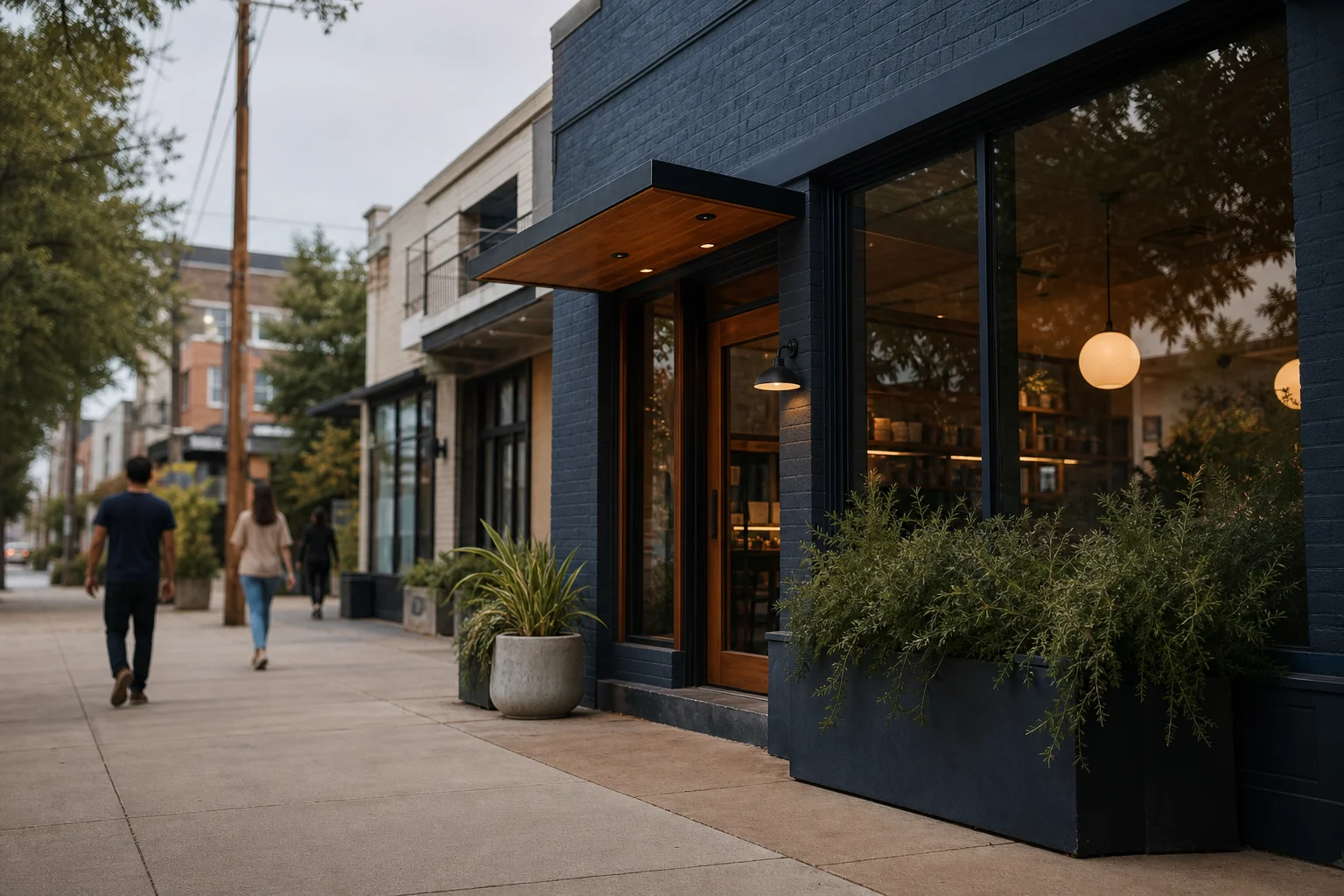
What equipment do you need to open a boba shop in Fort Worth?
A boba shop's core equipment list starts with tea brewers, refrigeration, and POS systems, but Fort Worth's layout and local competition add layers of nuance. For example, in high-foot-traffic areas like Sundance Square (score 6.0/10), compact equipment might be necessary to maximize counter space. Key items include:
- Tea brewers: For brewing loose-leaf or powdered tea, critical for shops like Kung Fu Tea, which relies on consistent brewing to stand out.
- Refrigeration: Multiple coolers for milk, syrups, and toppings-essential for shops like 3Simple Coffee, Bubble Tea & Dessert, which offers a wide range of flavors.
- Shakers and blenders: For mixing drinks, a staple in shops like Happy Lemon, known for smooth, well-mixed beverages.
- POS system: To handle orders efficiently, especially during peak times at spots like Sip & Chill | Boba & Coffee House.
- Storage and prep stations: For toppings, cups, and utensils, which must be organized to avoid bottlenecks in busy locations like the Stockyards (score 6.1/10).
Each piece of equipment ties back to Fort Worth's rent bands: smaller spaces in Berry Street / TCU adjacent (rent $25-$85/sqft/yr NNN) may require modular or space-saving designs, while larger setups in Cultural District (score 5.6/10) could accommodate more robust systems.
Buildout cost categories
Plumbing and electrical
Plumbing and electrical work are often the most expensive buildout categories, especially in older Fort Worth buildings. For boba shops, this includes installing sinks for cleaning equipment, water lines for tea brewers, and dedicated circuits for refrigeration. In neighborhoods like TCU Campus / University Place (rent $25-$85/sqft/yr NNN), older structures may require upgrades to meet code, adding to costs. Always verify with Fort Worth's building department-permits for plumbing and electrical are non-negotiable and can delay timelines if not planned early.
HVAC and ventilation
Boba shops generate heat from tea brewers and refrigeration, so proper HVAC and ventilation are critical. In Fort Worth's hot climate, this means sizing systems to handle both equipment heat and customer comfort. Shops like Ariboba Joe, which operates in Berry Street / TCU adjacent, likely invested in ventilation to keep staff and customers cool during peak hours. Rent bands here ($25-$85/sqft/yr NNN) mean balancing upfront HVAC costs with long-term utility savings.
Flooring and finishes
Flooring must be durable and easy to clean-essential for high-traffic spots like Sundance Square. Options range from commercial tile to epoxy, but in rent-sensitive areas like the Cultural District (rent $25-$85/sqft/yr NNN), cost-effective yet resilient finishes are key. Finishes also impact customer perception; shops like Wildflower Boba & Tea use clean, modern designs to attract students and professionals.
Permits-driven items
Permits for food service, signage, and occupancy are mandatory. In Fort Worth, the health department will inspect equipment placement and plumbing, while the city may regulate signage size in areas like the Stockyards (score 6.1/10). Always confirm requirements with local agencies-delays here can derail timelines.
Furniture and signage
Furniture (counters, seating) and signage must align with Fort Worth's aesthetic. In Berry Street / TCU adjacent, shops like BobaLou use branded signage to stand out, while in Sundance Square, minimalist designs fit the area's vibe. Signage costs vary, but in rent bands of $25-$85/sqft/yr NNN, balancing visibility with budget is crucial.
Equipment line items to validate in Fort Worth
Beyond basics, validate these line items for Fort Worth:
- Tea storage: Airtight containers to preserve freshness, critical for shops like Fruitealicious, which uses high-quality ingredients.
- Cup and lid dispensers: To speed up service, a must for busy spots like 1102 Bubble Tea & Coffee Lake Worth in TCU Campus.
- Waste management: For disposing of used cups and ingredients, especially in areas with strict waste rules.
- Backup equipment: A second tea brewer or refrigerator to avoid downtime, as seen in shops like Boombayah Boba, which prioritizes reliability.
How established operators in Fort Worth configure their kitchens
Local operators like Fruitealicious Bubble Tea & Smoothies (Berry Street / TCU adjacent) and Johnnys Bowls and Boba (Stockyards) use compact, efficient layouts. Fruitealicious likely groups tea brewers near sinks for easy cleaning, while Johnnys Bowls and Boba may prioritize prep space for toppings in its smaller Stockyards location. Both shops balance equipment size with customer flow-key for avoiding bottlenecks in high-traffic areas.
Used vs. new vs. lease
Used equipment can cut costs, but verify condition, especially in Fort Worth's humid climate where rust or wear is common. New equipment offers warranties but higher upfront costs, which may be justified in rent bands of $25-$85/sqft/yr NNN to avoid frequent repairs. Leasing is an option for cash flow, but compare long-term costs to buying. Local shops like Sip & Chill | Boba & Coffee House may have mixed strategies-new POS systems for reliability, used refrigeration to save money.
Buildout timeline
Buildout timelines depend on permits and contractor availability. In Fort Worth, allow a variable local timeline for permits (plumbing, electrical, health) and a variable local timeline for construction. Delays often come from unexpected utility work or code upgrades, especially in older neighborhoods like the Cultural District.
Common buildout overruns
- Permit delays: Fort Worth's building department may request additional documentation, extending timelines.
- Utility upgrades: Older buildings in TCU Campus / University Place may need electrical or plumbing upgrades, adding costs.
- Equipment sizing errors: Buying equipment too large for a space (e.g., in Berry Street / TCU adjacent's smaller footprints) can force layout changes.
| Neighborhood | Locavisor score | Rent band | Local operator signal | Founder validation check |
|---|---|---|---|---|
| Berry Street / TCU adjacent | 6.2/10 | $25-$85/sqft/yr NNN | Fruitealicious Bubble Tea & Smoothies, BobaLou | Check utility capacity, ventilation, plumbing, storage, and fixture layout. |
| TCU Campus / University Place | 6.2/10 | $25-$85/sqft/yr NNN | Fruitealicious Bubble Tea & Smoothies, BobaLou | Check utility capacity, ventilation, plumbing, storage, and fixture layout. |
| Stockyards | 6.1/10 | $25-$85/sqft/yr NNN | Sip & Chill | Boba & Coffee House, BobaLou | Check utility capacity, ventilation, plumbing, storage, and fixture layout. |
| Sundance Square | 6.0/10 | $25-$85/sqft/yr NNN | BobaLou, Happy Lemon | Check utility capacity, ventilation, plumbing, storage, and fixture layout. |
| Cultural District | 5.6/10 | $25-$85/sqft/yr NNN | Happy Lemon, BobaLou | Check utility capacity, ventilation, plumbing, storage, and fixture layout. |
FAQ
What permits are required for a boba shop in Fort Worth?
Fort Worth requires food service permits from the Tarrant County Public Health Department, plus building permits for plumbing, electrical, and HVAC. Signage permits may also be needed, depending on the neighborhood. Always verify with local agencies.
How do Fort Worth's rent bands affect equipment choices?
Rent bands of $25-$85/sqft/yr NNN mean smaller spaces (e.g., Berry Street / TCU adjacent) require space-saving equipment, while larger areas (e.g., Sundance Square) can accommodate more robust systems. Prioritize multi-functional equipment to maximize limited space.
What's the biggest equipment mistake new boba shops make in Fort Worth?
Underestimating refrigeration needs. Shops like 3Simple Coffee, Bubble Tea & Dessert use multiple coolers to keep ingredients fresh, while new operators often skimp, leading to spoilage and customer complaints.
How do local boba shops handle equipment maintenance?
Established shops like Kung Fu Tea likely schedule regular maintenance to avoid downtime. New operators should budget for annual servicing, especially in Fort Worth's heat, which strains equipment.
Can I use a home kitchen for a boba shop in Fort Worth?
No-Fort Worth requires commercial kitchens for food service. Home kitchens don't meet health or building codes, and inspectors will shut down non-compliant operations.
What's the best way to choose equipment for a Fort Worth boba shop?
Visit local shops (e.g., Fruitealicious, BobaLou) to see their setups. Ask about durability, ease of cleaning, and customer flow. Match equipment to your neighborhood's foot traffic and rent band.
Last reviewed: 2026-05-30
Sources: U.S. Census Bureau ACS, LEHD LODES, Google Places, OpenStreetMap, Locavisor neighborhood scoring.
Methodology: Locavisor scores neighborhoods across demand, competition fit, rent fit, accessibility, and customer match. Scores reflect a snapshot of recent data and should be combined with on-the-ground research before lease decisions.
Disclaimer: This article provides informational content only and does not constitute legal, financial, accounting, or real-estate advice. Verify lease terms, licensing, local regulations, costs, and professional requirements with qualified local professionals before making business decisions.
Free preview shows top 3 neighborhoods. Full $9.99 report covers all 10 areas with personalized scoring + 90-day check-ins.
Informational only. Verify lease, licensing, local regulations, costs, and professional requirements with qualified local professionals.