Jacksonville, FL · boba shop
Boba shop equipment costs Jacksonville
Opening a boba shop in Jacksonville means balancing equipment needs with buildout constraints, especially in a market where rent bands and local competition shape every decision. The pressure to get the right mix of gear-without overspending on unnecessary upgrades-can make or break a startup. For founders, the first step is understanding what equipment is non-negotiable, how buildout costs align with Jacksonville's rent structures, and how established operators in the area configure their spaces. This guide breaks down the essentials, grounded in local data, to help you plan smarter.
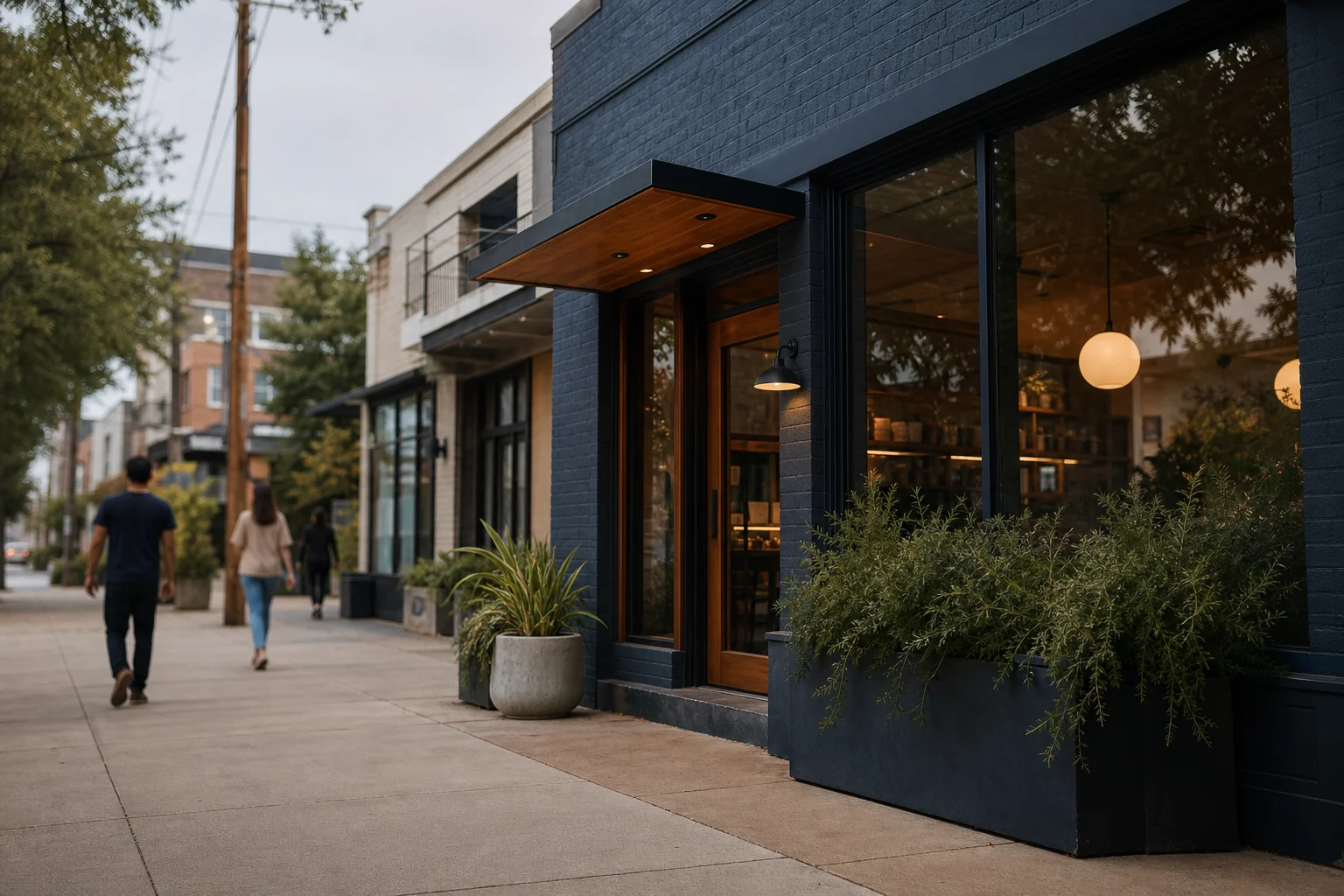
What equipment do you need to open a boba shop in Jacksonville?
The core equipment for a boba shop falls into three categories: beverage preparation, storage, and customer-facing tools. Beverage prep includes tea brewers, syrup stations, blenders, and tapioca cookers. Storage covers refrigeration for ingredients, dry goods, and prepared drinks. Customer-facing tools range from POS systems to cups, straws, and toppings stations. In Jacksonville, where rent bands sit at $16-$43/sqft/yr NNN across top neighborhoods like Atlantic Beach/Neptune Beach/Jax Beach (score 5.5/10) and UNF/Tinseltown (score 5.1/10), space efficiency is critical. Every square foot of equipment must serve a clear purpose-overcrowding can drive up utility costs or limit seating, both of which hurt profitability.
Buildout cost categories
Buildout costs in Jacksonville are tied to neighborhood rent bands and local regulations. For example, Atlantic Beach/Neptune Beach/Jax Beach's $16-$43/sqft/yr NNN rent band means founders must weigh whether to invest in high-end finishes or prioritize functional, durable materials. Below are the key categories to validate with contractors and local codes.
Plumbing and electrical
Plumbing for boba shops focuses on three areas: tea brewing (hot water lines), sink access for cleaning, and drainage for tapioca cookers. Electrical needs include dedicated circuits for blenders, refrigerators, and POS systems. In Jacksonville, neighborhoods like Southside/St Johns Town Center (score 4.9/10) have mixed-use developments (e.g., St. Johns Town Center mall) where building codes may require commercial-grade plumbing and electrical. Founders should verify with the City of Jacksonville's Building Inspection Division to avoid costly retrofits.
HVAC and ventilation
Boba shops generate heat from blenders and steam from tea brewers, so proper HVAC and ventilation are non-negotiable. In areas like Riverside (score 4.6/10), where spaces may be smaller (e.g., near Riverside Market Square), inadequate ventilation can lead to discomfort for staff and customers. Local operators like Q-Cup Boba Tea in Atlantic Beach/Neptune Beach/Jax Beach prioritize ventilation to maintain air quality, a detail worth validating with HVAC contractors familiar with Jacksonville's climate.
Flooring and finishes
Durable flooring (e.g., epoxy or commercial tile) is essential for high-traffic areas, especially in neighborhoods like Brooklyn (score 4.8/10) where foot traffic from Florida State College at Jacksonville - Downtown Campus is common. Finishes should balance aesthetics with functionality-stain-resistant surfaces reduce maintenance costs. Rent bands in these areas mean founders must decide whether to invest in premium finishes (to attract customers) or stick to practical options (to keep buildout costs low).
Permits-driven items
Permits in Jacksonville cover plumbing, electrical, and food safety. The Duval County Health Department regulates food preparation, so equipment like refrigerators and tapioca cookers must meet NSF standards. Founders should budget time for permit reviews, which can take a variable local timeline, and factor in potential delays (e.g., if equipment doesn't meet local codes).
Furniture and signage
Furniture (tables, chairs, counters) and signage (branding, menu boards) impact customer experience. In Atlantic Beach/Neptune Beach/Jax Beach, where shops like Mistea Bubble Tea & Dessert compete for beachgoers, visible signage and comfortable seating can drive foot traffic. Rent bands here mean signage should be cost-effective but eye-catching-LED menus or branded wall decals are common among local operators.
Equipment line items to validate in Jacksonville
Beyond the basics, founders should validate these line items with Jacksonville-specific needs:
- Tea brewers: Commercial-grade brewers (e.g., 10-20 gallon capacity) are standard, but size depends on neighborhood foot traffic. In UNF/Tinseltown, near Tinseltown transit, a larger brewer may handle peak demand.
- Blenders: High-speed blenders for smoothies and frappes are essential. Local shops like Helloo Boba use robust models to handle daily volume.
- Refrigeration: Dual-zone refrigerators for ingredients (e.g., milk, syrups) and prepared drinks. In Southside/St Johns Town Center, where space is limited, compact units are preferred.
- Tapioca cookers: Dedicated cookers for tapioca pearls, with timers to avoid overcooking. Q-Cup Boba Tea in Atlantic Beach/Neptune Beach/Jax Beach uses these to maintain consistency.
How established operators in Jacksonville configure their kitchens
Local boba shops in Jacksonville prioritize efficiency. For example, Taichi Bubble Tea in Atlantic Beach/Neptune Beach/Jax Beach groups equipment by workflow: tea brewers near sinks for easy refilling, blenders close to tapioca stations, and refrigerators within arm's reach of the counter. This layout reduces staff movement, which is key in smaller spaces like those in Riverside (near JRTC - Jacksonville Regional Transportation Center). Kung Fu Tea in UNF/Tinseltown uses modular equipment to adapt to changing menu trends, a strategy worth considering for founders looking to scale.
Used vs. new vs. lease
- New equipment: Offers warranties and reliability but is costlier. In Jacksonville's rent bands, new gear may be justified for high-traffic areas (e.g., Atlantic Beach/Neptune Beach/Jax Beach).
- Used equipment: Cheaper upfront but may require repairs. Local shops like Beary Boba in Southside/St Johns Town Center sometimes use refurbished blenders to save costs.
- Lease: Spreads costs over time but may include maintenance. For startups, leasing POS systems or refrigerators can reduce initial outlays.
Buildout timeline
Buildout timelines in Jacksonville typically take a variable local timeline, but delays (e.g., permit reviews, contractor availability) can extend this. Founders should factor in a variable local timeline for equipment delivery and installation. In neighborhoods like Brooklyn, where spaces may be in older buildings, structural checks can add time-plan for contingencies.
Common buildout overruns
- Permit delays: Jacksonville's Building Inspection Division may request additional documentation, especially for food safety equipment.
- Utility upgrades: Older buildings in Riverside may need electrical or plumbing upgrades to handle commercial equipment.
- Material shortages: Supply chain issues can delay flooring or signage-order materials early.
| Neighborhood | Locavisor score | Rent band | Local operator signal | Founder validation check |
|---|---|---|---|---|
| Atlantic Beach / Neptune Beach / Jax Beach | 5.5/10 | $16-$43/sqft/yr NNN | Nom Nom Boba Tea and More, Mistea Bubble Tea & Dessert | Check utility capacity, ventilation, plumbing, storage, and fixture layout. |
| UNF / Tinseltown | 5.1/10 | $16-$43/sqft/yr NNN | Q-Cup Boba Tea, Mistea Bubble Tea & Dessert | Check utility capacity, ventilation, plumbing, storage, and fixture layout. |
| Southside / St Johns Town Center | 4.9/10 | $16-$43/sqft/yr NNN | Q-Cup Boba Tea, Mistea Bubble Tea & Dessert | Check utility capacity, ventilation, plumbing, storage, and fixture layout. |
| Brooklyn | 4.8/10 | $16-$43/sqft/yr NNN | Q-Cup Boba Tea, Mistea Bubble Tea & Dessert | Check utility capacity, ventilation, plumbing, storage, and fixture layout. |
| Riverside | 4.6/10 | $16-$43/sqft/yr NNN | Q-Cup Boba Tea, Mistea Bubble Tea & Dessert | Check utility capacity, ventilation, plumbing, storage, and fixture layout. |
FAQ
What equipment do I need to open a boba shop in Jacksonville?
Essential equipment includes tea brewers, blenders, tapioca cookers, refrigerators, POS systems, and customer-facing tools (cups, straws, toppings stations). Prioritize space-efficient models to fit Jacksonville's rent bands.
Which neighborhoods in Jacksonville have the highest boba shop competition?
Atlantic Beach/Neptune Beach/Jax Beach (score 5.5/10) has the most competition, with shops like Q-Cup Boba Tea and Helloo Boba. UNF/Tinseltown (score 5.1/10) and Southside/St Johns Town Center (score 4.9/10) also have dense markets.
How do rent bands in Jacksonville affect equipment choices?
Rent bands ($16-$43/sqft/yr NNN) mean smaller spaces require compact, multi-functional equipment. For example, in Riverside (score 4.6/10), founders may opt for under-counter refrigerators to save space.
Last reviewed: 2026-05-30
Sources: U.S. Census Bureau ACS, LEHD LODES, Google Places, OpenStreetMap, Locavisor neighborhood scoring.
Methodology: Locavisor scores neighborhoods across demand, competition fit, rent fit, accessibility, and customer match. Scores reflect a snapshot of recent data and should be combined with on-the-ground research before lease decisions.
Disclaimer: This article provides informational content only and does not constitute legal, financial, accounting, or real-estate advice. Verify lease terms, licensing, local regulations, costs, and professional requirements with qualified local professionals before making business decisions.
Free preview shows top 3 neighborhoods. Full $9.99 report covers all 10 areas with personalized scoring + 90-day check-ins.
Informational only. Verify lease, licensing, local regulations, costs, and professional requirements with qualified local professionals.