Los Angeles, CA · boba shop
Boba shop equipment costs Los Angeles
Opening a boba shop in Los Angeles means balancing equipment needs with the city's high rent bands and competitive market. Founders face pressure to plan equipment and buildout efficiently, as every decision impacts cash flow and operational readiness. The right setup starts with understanding what gear is essential, how buildout costs break down, and how local operators configure their spaces. This guide uses Locavisor data to ground your planning in real Los Angeles context, from Downtown LA's $32-$450/sqft/yr NNN rent band to verified boba shops like Mai Tea Boba and Gong Cha.
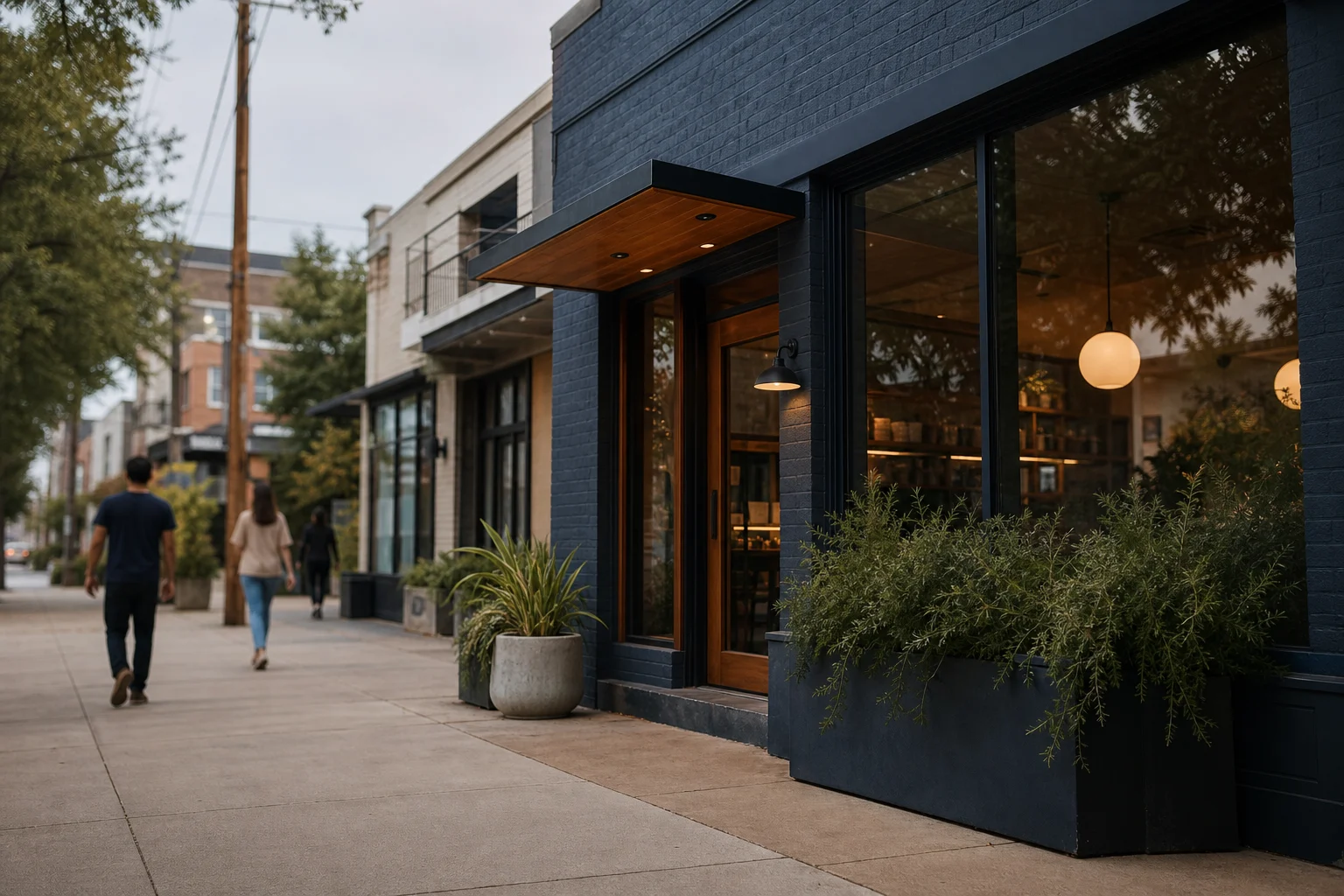
What equipment do you need to open a boba shop in Los Angeles?
The core equipment for a boba shop in Los Angeles includes tea brewers, refrigerators, blenders, tapioca cookers, and POS systems. These items form the backbone of daily operations, but their selection depends on your shop's size, layout, and target neighborhood. For example, a compact space in Downtown LA (DTLA) might prioritize compact, efficient equipment to maximize counter space, while a larger spot in Burbank could accommodate more robust setups. Local operators like Loose Leaf Boba Company and Amino Avenue Boba & Coffee rely on this gear to deliver consistent quality, as noted in their Google reviews. Before purchasing, validate that each item meets Los Angeles health codes and utility requirements-especially for electrical and plumbing setups.
Buildout cost categories
Buildout costs in Los Angeles vary by neighborhood, but key categories remain consistent. Each impacts your budget and timeline, so understanding them upfront helps avoid surprises.
Plumbing and electrical
Plumbing and electrical work are foundational to a boba shop. In Los Angeles, neighborhoods like Hollywood and Culver City have $32-$450/sqft/yr NNN rent bands, meaning spaces may require upgrades to handle tea brewers, sinks, and refrigeration. Ensure your contractor verifies load capacity for equipment like blenders and tapioca cookers. Permits for these systems are issued by the Los Angeles Department of Building and Safety, so factor in approval time.
HVAC and ventilation
Boba shops generate heat and steam, so proper HVAC and ventilation are non-negotiable. In DTLA, where spaces like The Bloc and FIGat7th anchor foot traffic, ventilation systems must meet local codes to keep staff and customers comfortable. Overlooking this can lead to costly retrofits later.
Flooring and finishes
Flooring in high-traffic areas like DTLA or Sawtelle Japantown needs to be durable and easy to clean. Materials like epoxy or commercial tile withstand constant foot traffic and spills, common in busy boba shops like Boba Luna or It's Boba Time - DTLA.
Permits-driven items
Permits for signage, seating, and equipment installation are handled by the Los Angeles Department of Building and Safety. In neighborhoods like Burbank, where The Boba Bar operates, signage must comply with local regulations to avoid fines. Always confirm permit requirements with the issuing agency.
Furniture and signage
Furniture and signage set your shop's vibe. In Hollywood, where Ovation Hollywood and Hollywood Boulevard draw crowds, eye-catching signage and comfortable seating can differentiate your space. Use materials that withstand LA's climate, like weather-resistant signage for outdoor areas.
Equipment line items to validate in Los Angeles
Beyond core gear, validate these line items for Los Angeles:
- Tea brewers: Essential for brewing loose-leaf tea, a staple in shops like YAMISHA DTLA - Bubble Tea & Smoothies.
- Refrigerators: Store ingredients like milk, syrups, and tapioca. In DTLA's compact spaces, compact models save space.
- Blenders: For smoothies and blended drinks. Ensure they meet noise ordinances in residential areas like Culver City.
- Tapioca cookers: Cook tapioca pearls consistently. Local operators like Boba Grande prioritize reliable models to avoid service delays.
- POS systems: Streamline orders and inventory. Choose systems compatible with Los Angeles payment processors.
How established operators in Los Angeles configure their kitchens
Verified boba shops in Los Angeles offer insights into efficient kitchen setups. For example:
- Loose Leaf Boba Company (DTLA) uses a compact layout to maximize counter space, with equipment arranged for quick service-critical for handling peak hours near FIGat7th.
- Amino Avenue Boba & Coffee (DTLA) prioritizes ventilation and electrical capacity to support multiple blenders and tea brewers, as noted in their 4.9-star reviews.
- The Boba Bar (Burbank) configures equipment to minimize cross-contamination, a key health code requirement in Los Angeles.
These setups reflect a balance between functionality and compliance, helping operators like Gong Cha (DTLA) maintain fast service and quality.
Used vs. new vs. lease
Choosing between used, new, or leased equipment depends on your budget and timeline. Used equipment can save costs but may require more maintenance-common in startups like Boba Loca (Burbank). New equipment offers reliability but higher upfront costs. Leasing is flexible but may have long-term costs. In Los Angeles, where rent bands are high, used or leased equipment can free up capital for buildout.
Buildout timeline
Buildout timelines in Los Angeles vary by neighborhood and permit complexity. DTLA's dense urban areas may take longer due to stricter codes, while Burbank's commercial zones might move faster. Factor in time for permit approvals, contractor scheduling, and equipment delivery. Delays in plumbing or electrical work are common, so build in buffer time.
Common buildout overruns
Common overruns include unexpected utility upgrades, permit delays, and material shortages. In DTLA, where spaces like The Rooftop draw foot traffic, last-minute signage changes or flooring adjustments can add costs. Always budget for 10-15% overruns to avoid cash flow issues.
| Neighborhood | Locavisor score | Rent band | Local operator signal | Founder validation check |
|---|---|---|---|---|
| Downtown LA (DTLA) | 6.5/10 | $32-$450/sqft/yr NNN | Mai Tea Boba, Loose Leaf Boba Company | Check utility capacity, ventilation, plumbing, storage, and fixture layout. |
| Burbank | 6.3/10 | $32-$450/sqft/yr NNN | The Boba Bar, Boba Loca | Check utility capacity, ventilation, plumbing, storage, and fixture layout. |
| Hollywood | 6.1/10 | $32-$450/sqft/yr NNN | It's Boba Time, Isshin Ramen & Boba | Check utility capacity, ventilation, plumbing, storage, and fixture layout. |
| Culver City | 6.1/10 | $32-$450/sqft/yr NNN | Boba Guys Culver City, Chatime Westfield Culver City | Check utility capacity, ventilation, plumbing, storage, and fixture layout. |
| Sawtelle Japantown | 6.1/10 | $32-$450/sqft/yr NNN | Le Phant Milk Tea Co, Black Sugar Boba | Check utility capacity, ventilation, plumbing, storage, and fixture layout. |
FAQ
Q: What are the key equipment needs for a boba shop in Los Angeles?
A: Core equipment includes tea brewers, refrigerators, blenders, tapioca cookers, and POS systems. Validate that each meets Los Angeles health codes and utility requirements.
Q: How do buildout costs differ by Los Angeles neighborhood?
A: Neighborhoods like DTLA, Burbank, and Hollywood have $32-$450/sqft/yr NNN rent bands, impacting buildout budgets. DTLA's dense spaces may require more compact, efficient setups.
Q: Where can I find reliable equipment suppliers in Los Angeles?
A: Research local suppliers and check reviews from shops like Mai Tea Boba or Gong Cha. Avoid unverified vendors to ensure compliance with Los Angeles codes.
Last reviewed: 2026-05-30
Sources: U.S. Census Bureau ACS, LEHD LODES, Google Places, OpenStreetMap, Locavisor neighborhood scoring.
Methodology: Locavisor scores neighborhoods across demand, competition fit, rent fit, accessibility, and customer match. Scores reflect a snapshot of recent data and should be combined with on-the-ground research before lease decisions.
Disclaimer: This article provides informational content only and does not constitute legal, financial, accounting, or real-estate advice. Verify lease terms, licensing, local regulations, costs, and professional requirements with qualified local professionals before making business decisions.
Free preview shows top 3 neighborhoods. Full $9.99 report covers all 10 areas with personalized scoring + 90-day check-ins.
Informational only. Verify lease, licensing, local regulations, costs, and professional requirements with qualified local professionals.