Minneapolis, MN · boba shop
Boba shop equipment costs Minneapolis
Opening a boba shop in Minneapolis requires careful planning of equipment and buildout costs. The Twin Cities' growing tea scene presents both opportunities and challenges for entrepreneurs looking to enter this competitive market. Understanding the equipment needs and associated costs is crucial for developing a realistic budget that aligns with Minneapolis market conditions and your specific business concept.
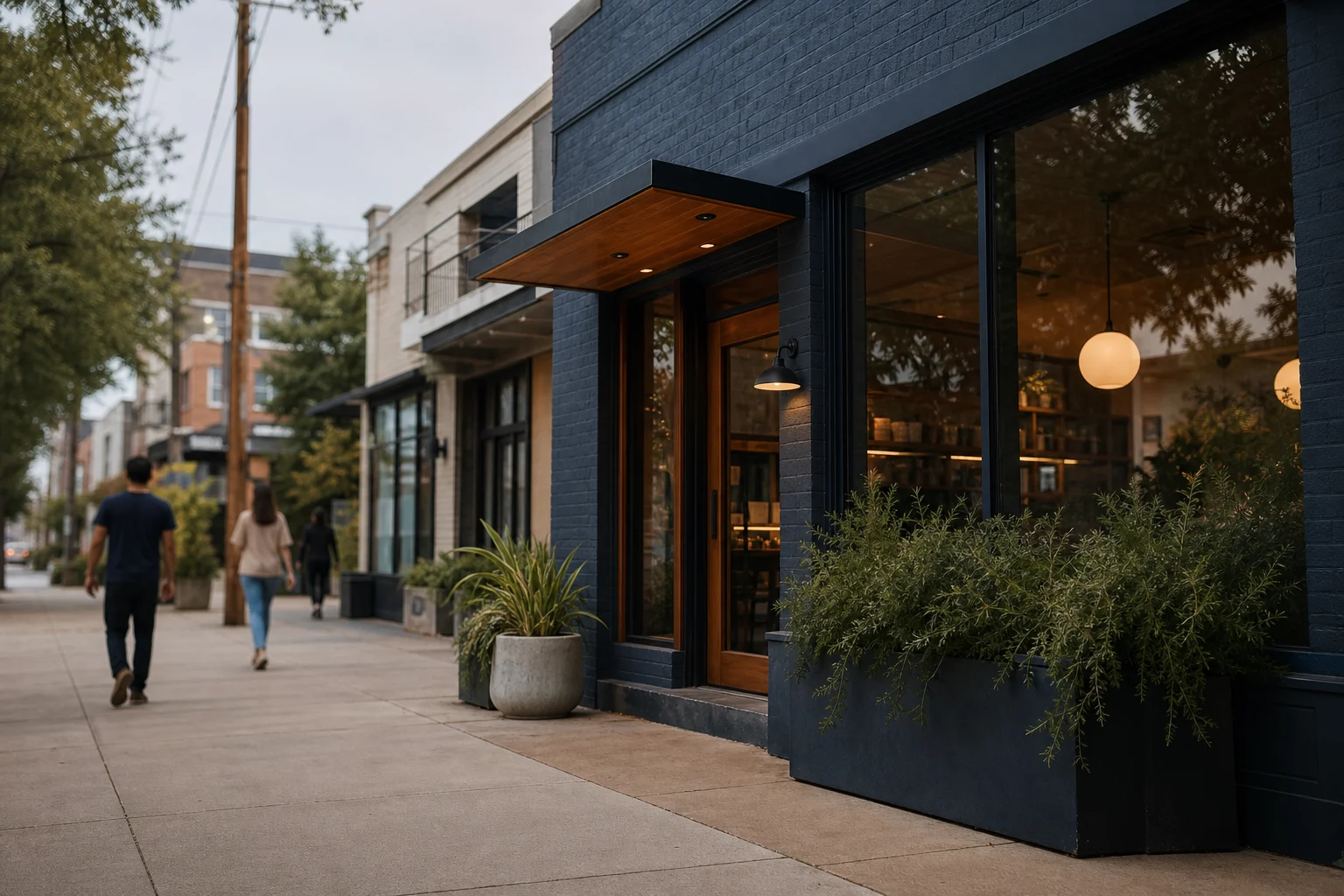
Equipment categories by launch format
Your equipment needs will vary significantly based on your chosen launch format. A takeout-focused boba shop in Dinkytown requires different equipment than a full-service establishment with seating. The primary equipment categories include beverage preparation systems, refrigeration units, storage solutions, point-of-sale systems, and specialized boba-making tools.
Beverage preparation systems form the backbone of your operation. This includes tea brewing equipment, large-volume water boilers, and mixing stations. The scale of these systems should match your expected customer volume and service style. For a takeout-first concept in Dinkytown, you'll need efficient brewing equipment that can handle peak demand during student rush hours without compromising quality.
Refrigeration needs extend beyond standard coolers to include specialized storage for tea bases, milk alternatives, and fresh ingredients. The rent level in Minneapolis's top boba areas ranges from $30-50/sqft NNN, which influences how much space you can allocate to refrigeration versus customer service areas. Market temperature in Minneapolis is mixed, suggesting that equipment flexibility will be important to adapt to changing demand patterns.
Storage solutions must accommodate both dry ingredients and prepared beverages. Efficient organization reduces waste and improves workflow. In areas like Stadium Village, where student density is maxed out, having well-organized storage becomes even more critical during high-volume periods.
Point-of-sale systems should integrate seamlessly with your inventory management and customer loyalty programs. The competition density in Minneapolis is medium, meaning your operational efficiency can provide a competitive advantage. A well-designed POS system reduces wait times and improves order accuracy, both crucial for customer retention.
Specialized boba-making equipment includes tapioca pearl cookers, shaking machines, and precision dispensers for syrups and toppings. These tools directly impact product consistency and quality, which are key differentiators in a market with established players like Niko Niko Boba at 4.3★/425 reviews and Kung Fu Tea at 3.7★/205 reviews.
Buildout assumptions that change the budget
Buildout requirements vary dramatically based on your space's condition and your concept's specific needs. A second-generation space with existing plumbing and electrical infrastructure can significantly reduce initial costs compared to a ground-up buildout. In Dinkytown, where you'd be on the U of M east bank at 4th St + 14th Ave surrounded by 50,000+ students within a 10-min walk, your buildout must accommodate high-volume service while maintaining efficient workflow.
Plumbing requirements for a boba shop go beyond standard sinks to include specialized connections for tea brewing equipment, ice machines, and potentially a dishwasher. The complexity of these installations can vary based on your space's existing infrastructure. In Cedar-Riverside, which is anchored by Augsburg University and the U of M West Bank with a light-rail station at its core, buildout costs may be influenced by the area's historic building stock and corresponding infrastructure limitations.
Electrical systems must support multiple high-power appliances running simultaneously. Tea brewers, refrigeration units, and point-of-sale systems all require dedicated circuits. The electrical capacity of your space will determine whether you need expensive upgrades or can utilize existing infrastructure. With a score confidence of 85% for Minneapolis market data, you can make informed decisions about electrical requirements based on reliable neighborhood information.
Ventilation requirements depend on your menu offerings. If you plan to serve food items or use certain brewing methods, you may need commercial-grade ventilation systems. The rent level in Minneapolis's top boba areas is relatively low at $30-50/sqft NNN, which might allow for more generous ventilation budgets compared to higher-rent markets.
Flooring and wall finishes impact both aesthetics and functionality. Commercial-grade flooring that can withstand high traffic and potential spills is essential. In areas like Stadium Village, which sits just east of Dinkytown along Washington Ave SE and is anchored by TCF Bank Stadium, your flooring choices must accommodate both student foot traffic and potential weather-related moisture.
Buildout timelines affect your overall budget through carrying costs and delayed revenue. The 2026-05 data snapshot indicates a mixed market temperature in Minneapolis, suggesting that construction timelines may be subject to variable contractor availability and supply chain conditions.
New vs used equipment tradeoffs
The decision between new and used equipment involves careful consideration of initial costs, equipment lifespan, warranty coverage, and potential maintenance needs. New equipment typically comes with manufacturer warranties and the latest technology, but at a higher initial cost. Used equipment offers significant upfront savings but may come with higher maintenance requirements and shorter remaining lifespan.
In Dinkytown, where three existing boba shops (Niko Niko Boba at 4.3★/425 reviews, Kung Fu Tea at 3.7★/205 reviews, Boba X Ramen at 4.5★/20 reviews) prove demand but none dominate, equipment reliability becomes particularly important. The competition density is medium, meaning operational efficiency can provide a competitive edge. New equipment may offer better reliability during peak hours but represents a larger capital investment.
Used equipment from recently closed businesses can provide quality equipment at reduced costs. However, the absence of direct boba shop closures in Cedar-Riverside (the closest are 1.5km away in Dinkytown) may limit this option in that area. When considering used equipment, evaluate remaining useful life, maintenance history, and compatibility with your specific operational needs.
Financing options differ for new versus used equipment. New equipment often qualifies for better financing terms and longer repayment periods, improving cash flow management. The rent level in Minneapolis's top boba areas is low at $30-50/sqft NNN, which may provide more flexibility in equipment financing decisions.
Technology integration is another consideration. New equipment typically offers better integration with modern point-of-sale systems and inventory management software. In Stadium Village, where Boba X (Wahu Apartments) operates at 4.0★/61 reviews, technology integration can improve operational efficiency and customer experience.
Equipment obsolescence is a long-term consideration. New equipment may have a longer useful life before becoming technologically obsolete, but may also be more difficult to repair as parts become unavailable. The market temperature in Minneapolis is mixed, suggesting that flexibility in equipment choices may be advantageous for adapting to changing market conditions.
What to inspect in a second-generation space
When evaluating existing boba shop spaces, thorough inspection of equipment and infrastructure can reveal potential cost savings or unexpected expenses. The condition of existing equipment, utility connections, and structural elements all impact your buildout budget and timeline.
Plumbing infrastructure should be inspected for capacity and condition. Existing connections for tea brewing equipment, sinks, and floor drains can save significant installation costs. In Dinkytown, where you'd be surrounded by 50,000+ students within a 10-min walk, plumbing capacity must accommodate peak demand without compromising performance.
Electrical systems require evaluation of capacity and adequacy for your specific equipment needs. Overloaded circuits or outdated wiring may necessitate expensive upgrades. The competition density in Minneapolis is medium, meaning operational reliability is crucial for maintaining market position.
Ventilation systems should be inspected for capacity and compliance with health department regulations. Existing commercial-grade ventilation can save substantial buildout costs, but must be evaluated for adequacy for your specific menu and preparation methods.
Flooring condition impacts both aesthetics and functionality. Commercial-grade flooring in good condition can save replacement costs, but must be evaluated for wear patterns that may indicate inadequate maintenance or inappropriate material selection for boba shop operations.
Storage and workspace configurations should be assessed for efficiency. Existing shelving, workstations, and storage solutions may be adaptable to your needs, reducing buildout expenses. In Cedar-Riverside, which is anchored by Augsburg University and the U of M West Bank, space efficiency is particularly important given the area's dense, walkable nature.
Equipment included in the sale should be evaluated for condition, remaining useful life, and compatibility with your operational needs. The absence of direct boba shop closures in Cedar-Riverside means that equipment from other types of food service businesses may be your primary option for used equipment.
Building systems including HVAC, roofing, and structural elements should be inspected for condition and remaining useful life. These components represent significant capital expenditures if replacement is needed, and their condition should factor into your space selection decision.
FAQ
What equipment do I need for A Boba Shop in Minneapolis?
A boba shop in Minneapolis requires several categories of equipment to operate efficiently. Beverage preparation systems include tea brewers, large-volume water boilers, and mixing stations. Refrigeration needs extend beyond standard coolers to include specialized storage for tea bases, milk alternatives, and fresh ingredients. Storage solutions must accommodate both dry ingredients and prepared beverages. Point-of-sale systems should integrate with inventory management and customer loyalty programs. Specialized boba-making equipment includes tapioca pearl cookers, shaking machines, and precision dispensers for syrups and toppings.
Your specific equipment needs will vary based on your chosen location and concept format. In Dinkytown, where you'd be surrounded by 50,000+ students within a 10-min walk, equipment must handle high-volume service during peak hours. In Cedar-Riverside, which has no direct boba shop competition, your equipment choices may focus on establishing quality and consistency from the outset. The rent level in Minneapolis's top boba areas ranges from $30-50/sqft NNN, which influences how much space you can allocate to different equipment categories.
When selecting equipment, consider both new and used options based on your budget and operational needs. New equipment typically offers better reliability and warranty coverage but at a higher initial cost. Used equipment can provide significant upfront savings but may require more maintenance. The market temperature in Minneapolis is mixed, suggesting that equipment flexibility may be advantageous for adapting to changing demand patterns. Regardless of your equipment choices, prioritize quality and reliability to maintain consistency in your product offerings, which is crucial in a market with established competitors like Niko Niko Boba at 4.3★/425 reviews and Kung Fu Tea at 3.7★/205 reviews.
Last reviewed: 2026-05-08
Sources: U.S. Census Bureau ACS, LEHD LODES, Google Places, OpenStreetMap, Locavisor neighborhood scoring.
Methodology: Locavisor scores neighborhoods across demand, competition fit, rent fit, accessibility, and customer match. Scores reflect a snapshot of recent data and should be combined with on-the-ground research before lease decisions.
Disclaimer: This article provides informational content only and does not constitute legal, financial, accounting, or real-estate advice. Verify lease terms, licensing, local regulations, costs, and professional requirements with qualified local professionals before making business decisions.
Free preview shows top 3 neighborhoods. Full $9.99 report covers all 10 areas with personalized scoring + 90-day check-ins.
Informational only. Verify lease, licensing, local regulations, costs, and professional requirements with qualified local professionals.