New Orleans, LA · boba shop
Boba shop equipment costs New Orleans
Starting a boba shop in New Orleans requires careful planning of equipment and buildout costs. The city's unique market conditions and specific neighborhood characteristics will significantly impact your equipment decisions and budget allocation. Understanding these factors is crucial for making informed decisions about your boba shop equipment costs in New Orleans.
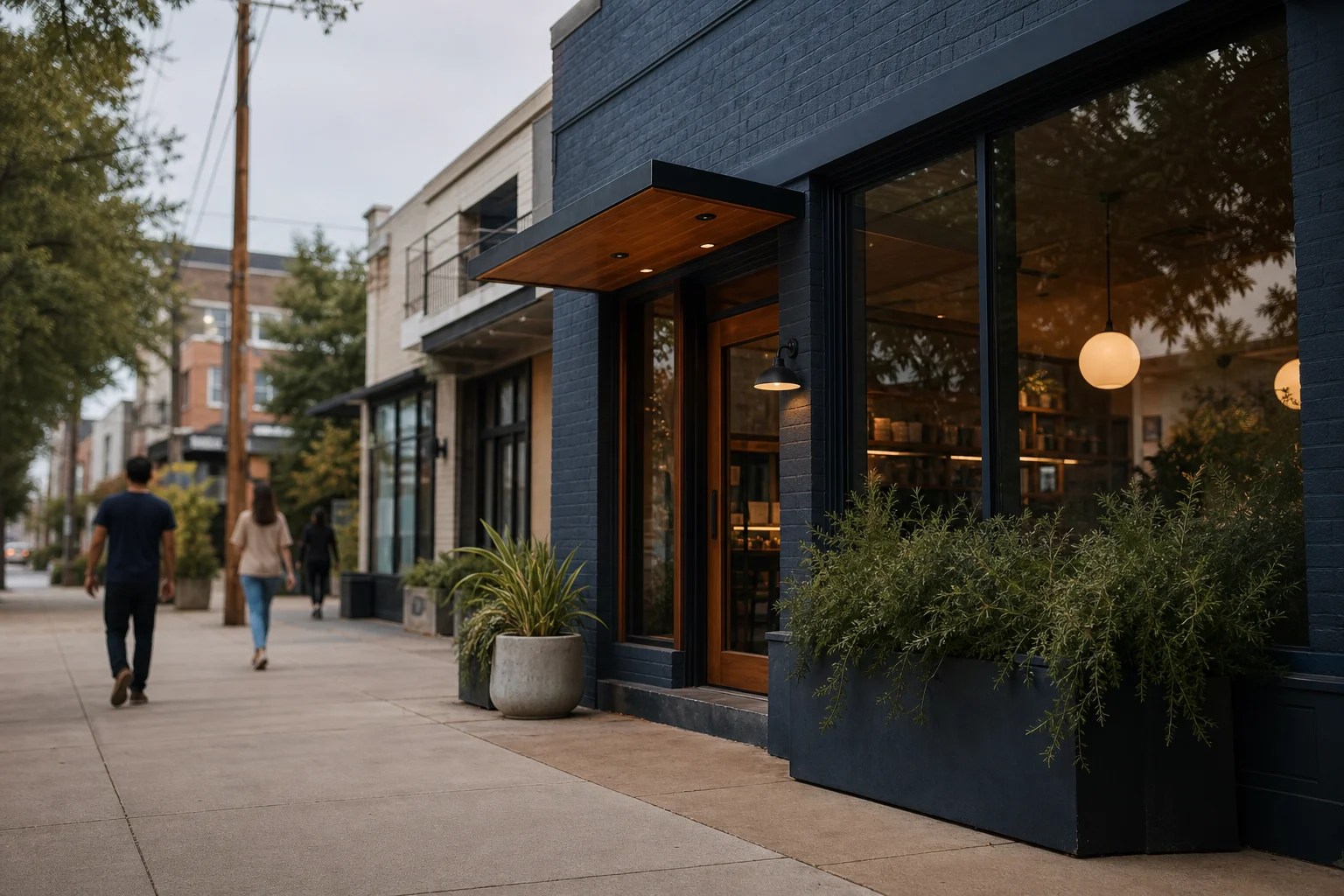
Equipment categories by launch format
Your equipment needs will vary based on your chosen launch format. A full-service boba shop requires different equipment than a kiosk or a grab-and-go model. The CBD / Warehouse District ranks #1 on paper with a score of 4.4/10, but the rentFit score (0.3) tells the real story — this is trophy-corridor pricing (~$90-140/sqft NNN) that will eat a medium-budget boba operator alive. Daytime worker density is maxed out with ~10,500 weekday lunch workers within 800m, and Ding Tea Downtown Nola (4.6★, 101 reviews) is the only direct competitor nearby at 584m.
Essential equipment categories include beverage preparation systems, refrigeration units, storage solutions, and customer service stations. Each category has different cost implications based on your format and location. The market temperature in New Orleans is weak, which may affect your equipment purchasing timeline and pricing negotiations.
Buildout assumptions that change the budget
Buildout requirements vary significantly across New Orleans' top boba locations. Magazine Street is New Orleans' iconic indie F&B corridor with strong walkability and residential density, but rent is near-ceiling (~$90-140/sqft NNN) and the office index is moderate — not ideal for a boba shop needing after-school repeat traffic. The corridor already supports Ding Tea (532m away) and Gong Cha (3.9km), plus dense coffee competition. The family and student indexes are thin.
Your buildout budget will be influenced by the condition of your space, local permitting requirements, and the specific needs of your equipment. The French Quarter is a global tourist destination with maxed-out walkability and daytime population density, but it's a poor fit for boba's core repeat-purchase model. Tourist traffic is high but conversion to boba is unproven — office-district foot traffic often doesn't convert (known failure mode).
Rent levels across these top areas are high, which directly impacts your buildout budget. A higher rent location may require a more streamlined buildout to keep overall costs manageable. The competition density is medium, meaning you'll need to differentiate your equipment setup to stand out from existing boba shops.
New vs used equipment tradeoffs
Choosing between new and used equipment involves careful consideration of your budget constraints and risk tolerance. The CBD / Warehouse District has a score confidence of 65%, which suggests some uncertainty in the market assessment. This uncertainty might influence your equipment purchasing decisions, particularly regarding major capital investments.
New equipment offers reliability, warranty protection, and energy efficiency, but comes with a higher upfront cost. Used equipment can significantly reduce initial expenses but may require more maintenance and lack warranty coverage. The rent level in New Orleans' top boba locations is high, which may pressure you toward used equipment to manage overall startup costs.
The market temperature is weak, which could work in your favor when negotiating equipment purchases. Suppliers may be more willing to offer discounts or favorable terms to move inventory. However, the high rent levels in prime locations like the CBD / Warehouse District, Magazine Street, and French Quarter mean you'll need to balance equipment quality with overall budget constraints.
What to inspect in a second-generation space
If you're considering a second-generation space, thorough inspection of existing equipment and buildout is essential. The CBD / Warehouse District has a rentFit score of 0.3, indicating that trophy-corridor pricing will significantly impact your budget. This makes evaluating existing equipment even more critical to avoid unnecessary expenses.
Look for equipment that aligns with your operational needs and is in good working condition. Check for signs of wear and tear, particularly on high-use items like refrigeration units and beverage preparation systems. The Magazine Street area has strong walkability and residential density, but the office index is moderate, which may affect your equipment needs and customer flow patterns.
Verify that existing equipment meets current health and safety standards. The French Quarter's tourist-heavy traffic requires equipment that can handle peak periods while maintaining consistent quality. The competition density is medium, so your equipment setup should help differentiate your boba shop from existing competitors.
FAQ
What equipment do I need for A Boba Shop in New Orleans?
A boba shop in New Orleans requires several key equipment categories: beverage preparation systems (including tea brewers, blenders, and shaking stations), refrigeration units (for storing ingredients and prepared drinks), storage solutions (for cups, straws, and other supplies), and customer service stations. Your specific needs will depend on your chosen format and location within New Orleans.
How does location affect equipment costs in New Orleans?
Location significantly impacts equipment costs through rent levels and market conditions. The CBD / Warehouse District, Magazine Street, and French Quarter all have high rent levels (~$90-140/sqft NNN), which affects your overall budget allocation. The market temperature is weak, which may influence equipment pricing negotiations, while the competition density is medium, requiring equipment that helps differentiate your business.
Should I buy new or used equipment for my New Orleans boba shop?
The decision between new and used equipment depends on your budget constraints and risk tolerance. New equipment offers reliability and warranty protection but comes with higher costs. Used equipment reduces initial expenses but may require more maintenance. The high rent levels in New Orleans' prime locations may pressure you toward used equipment to manage overall startup costs.
What should I look for in a second-generation boba space?
When evaluating a second-generation space, inspect existing equipment for condition and functionality. Check for signs of wear on high-use items and verify that equipment meets current health and safety standards. Consider how the existing setup aligns with your operational needs and whether modifications are necessary. The specific characteristics of each neighborhood (like the CBD / Warehouse District's high daytime worker density) should also inform your equipment decisions.
How does New Orleans' market affect equipment planning?
New Orleans' market conditions significantly impact equipment planning. The weak market temperature may influence pricing negotiations, while the medium competition density requires equipment that helps differentiate your business. The high rent levels in prime locations affect budget allocation, and the unique characteristics of each neighborhood (like the French Quarter's tourist traffic) influence equipment needs and operational considerations.
Last reviewed: 2026-05-08
Sources: U.S. Census Bureau ACS, LEHD LODES, Google Places, OpenStreetMap, Locavisor neighborhood scoring.
Methodology: Locavisor scores neighborhoods across demand, competition fit, rent fit, accessibility, and customer match. Scores reflect a snapshot of recent data and should be combined with on-the-ground research before lease decisions.
Disclaimer: This article provides informational content only and does not constitute legal, financial, accounting, or real-estate advice. Verify lease terms, licensing, local regulations, costs, and professional requirements with qualified local professionals before making business decisions.
Free preview shows top 3 neighborhoods. Full $9.99 report covers all 10 areas with personalized scoring + 90-day check-ins.
Informational only. Verify lease, licensing, local regulations, costs, and professional requirements with qualified local professionals.