Philadelphia, PA · boba shop
Boba shop equipment costs Philadelphia
Planning a boba shop in Philadelphia requires careful consideration of equipment costs and buildout requirements. The boba shop equipment costs Philadelphia market presents unique challenges and opportunities depending on your chosen location. Understanding these costs upfront helps founders allocate resources effectively and avoid budget overruns during the critical launch phase. 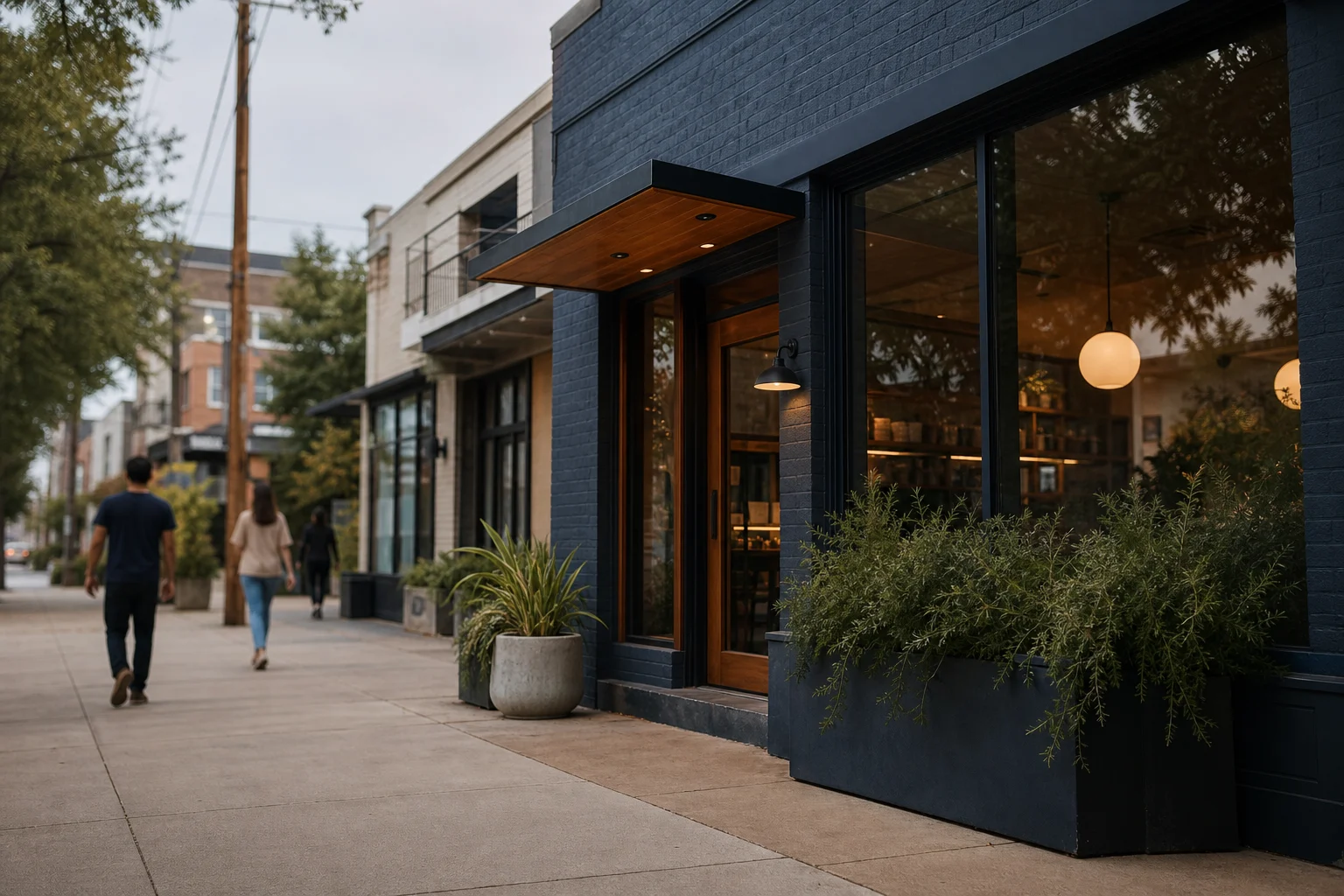
Equipment categories by launch format
Your boba shop equipment needs will vary significantly based on your chosen format. A quick-service model requires different equipment than a full-service café or a kiosk operation. In Philadelphia's competitive market, format selection directly impacts both initial investment and ongoing operational efficiency.
Essential equipment categories include beverage preparation systems, refrigeration units, storage solutions, and customer service stations. Each category has multiple options with different price points and space requirements. The format you choose determines which items are essential versus optional.
Powelton Village presents an interesting case with its student population and dense residential+daytime population. This area supports multiple format options, from quick-service to full-service models. The rent level of $45-70/sqft NNN influences equipment decisions, as higher rent areas may favor more efficient, space-saving equipment despite higher upfront costs.
University City's premium rent level of $65-95/sqft NNN demands careful equipment planning. The strong office density and daytime population near ceiling suggest a format optimized for quick service during peak hours. Equipment that maximizes throughput becomes essential in this high-traffic environment.
Brewerytown offers the most affordable rent at $30-50/sqft NNN, allowing for more spacious layouts. The area's strong residential density and evening vibrancy support formats that encourage customers to linger, potentially requiring more seating and comfort-focused equipment.
Buildout assumptions that change the budget
Buildout assumptions significantly impact your equipment budget. Philadelphia's diverse neighborhoods present different buildout challenges and opportunities. Your space's existing condition, layout, and utilities will determine how much you need to invest in preparation before installing equipment.
Powelton Village's mixed market temperature and medium competition density create a balanced environment for buildout planning. The Drexel-adjacent location with strong walkability means your buildout should prioritize both efficient operations and customer appeal. The medium rent level allows for moderate buildout investments while maintaining budget discipline.
University City's premium rent level requires buildout decisions that maximize return on investment. The Penn + Drexel nexus with strong office density means your buildout should optimize for speed and efficiency during peak hours. Higher rent pressures may necessitate more streamlined buildout approaches to keep total investment manageable.
Brewerytown's gentrifying residential corridor along Girard Ave offers more buildout flexibility due to lower rent levels. The moderate rent allows for more extensive buildout investments that create a unique customer experience. However, the weak daytime worker pool suggests buildout should focus on evening and weekend operations.
Buildout considerations include plumbing for beverage stations, electrical requirements for equipment, ventilation for cooking elements, and flooring that withstands high traffic. Each of these elements affects your equipment budget and should be evaluated during site selection.
New vs used equipment tradeoffs
The decision between new and used equipment impacts your initial investment and long-term maintenance costs. Philadelphia's market conditions influence this decision across different neighborhoods.
New equipment offers reliability, warranty protection, and energy efficiency. In high-rent areas like University City, the long-term energy savings may justify the higher upfront investment. The premium rent level of $65-95/sqft NNN makes operational efficiency particularly valuable.
Used equipment reduces initial costs but comes with higher maintenance risks and potentially higher energy consumption. Powelton Village's medium rent level of $45-70/sqft NNN creates a middle ground where carefully selected used equipment might offer the best balance of cost and reliability.
Brewerytown's lower rent level of $30-50/sqft NNN provides more budget flexibility for equipment purchases. The most affordable option in this set allows for more extensive investment in quality equipment if desired, though the area's evening/weekend focus means equipment should be optimized for those operational periods.
Equipment age affects not just purchase price but also maintenance requirements and energy efficiency. Older equipment may have higher operating costs despite lower purchase prices. Your equipment decisions should consider both initial investment and long-term operational expenses.
What to inspect in a second-generation space
When evaluating a second-generation space for your boba shop, thorough inspection of existing equipment and infrastructure is crucial. Philadelphia's commercial real estate market offers various opportunities, but each requires careful evaluation.
Powelton Village spaces may have existing equipment from previous foodservice tenants. The Drexel-adjacent location means spaces often come with some infrastructure already in place. Inspect existing plumbing, electrical systems, and ventilation to determine what can be repurposed versus what needs replacement.
University City spaces often feature higher-end finishes and equipment due to the premium rent level. The strong office density means previous tenants may have invested in quality equipment. However, verify that existing equipment meets your operational needs and is in good working condition.
Brewerytown's gentrifying corridor presents opportunities in spaces that may have housed previous foodservice businesses. The moderate rent level means spaces may have more basic equipment. Inspect for signs of wear and tear, particularly on high-use items like refrigeration units and beverage preparation equipment.
Key inspection points include plumbing capacity for multiple beverage stations, electrical load for equipment, ventilation requirements for cooking elements, and flooring condition. Each of these elements affects your equipment budget and operational efficiency.
FAQ
What equipment do I need for A Boba Shop in Philadelphia?
A boba shop in Philadelphia requires several key equipment categories: beverage preparation systems (including tea brewers, shake machines, and blenders), refrigeration units (for storing ingredients and prepared drinks), storage solutions (for cups, straws, and supplies), and customer service stations (including POS systems and payment processing). Your specific needs will vary based on your chosen format and location within Philadelphia.
How does location affect equipment costs in Philadelphia?
Location significantly impacts equipment costs in Philadelphia. Higher rent areas like University City (65-95/sqft NNN) may favor more efficient, space-saving equipment despite higher upfront costs. Medium rent areas like Powelton Village (45-70/sqft NNN) offer a balance between equipment quality and cost. Lower rent areas like Brewerytown (30-50/sqft NNN) provide more budget flexibility for equipment purchases.
What buildout factors should I consider for my boba shop?
Buildout factors to consider include plumbing capacity for beverage stations, electrical load requirements for equipment, ventilation needs for cooking elements, and flooring that withstands high traffic. Your buildout should also consider customer flow, service efficiency, and the specific needs of your chosen format. Philadelphia's diverse neighborhoods present different buildout challenges and opportunities.
Should I buy new or used equipment for my Philadelphia boba shop?
The decision between new and used equipment depends on your budget, risk tolerance, and long-term plans. New equipment offers reliability and warranty protection but comes with higher upfront costs. Used equipment reduces initial investment but may have higher maintenance requirements. Consider your location's rent level and operational needs when making this decision.
What should I look for when inspecting a second-generation space?
When inspecting a second-generation space, evaluate existing plumbing, electrical systems, ventilation, and equipment condition. Check for signs of wear and tear, particularly on high-use items. Verify that existing infrastructure meets your operational needs and complies with Philadelphia's health and safety regulations. Consider the space's layout and how it can be optimized for your specific boba shop format.
Last reviewed: 2026-05-08
Sources: U.S. Census Bureau ACS, LEHD LODES, Google Places, OpenStreetMap, Locavisor neighborhood scoring.
Methodology: Locavisor scores neighborhoods across demand, competition fit, rent fit, accessibility, and customer match. Scores reflect a snapshot of recent data and should be combined with on-the-ground research before lease decisions.
Disclaimer: This article provides informational content only and does not constitute legal, financial, accounting, or real-estate advice. Verify lease terms, licensing, local regulations, costs, and professional requirements with qualified local professionals before making business decisions.
Free preview shows top 3 neighborhoods. Full $9.99 report covers all 10 areas with personalized scoring + 90-day check-ins.
Informational only. Verify lease, licensing, local regulations, costs, and professional requirements with qualified local professionals.