Portland, OR · boba shop
Boba shop equipment costs Portland
Planning a boba shop in Portland requires careful consideration of equipment costs and buildout requirements. The boba shop equipment costs Portland market presents unique challenges and opportunities for entrepreneurs looking to enter this competitive but growing industry. Understanding the specific needs of your boba shop and how they align with Portland's neighborhood characteristics is crucial for budget planning and long-term success.
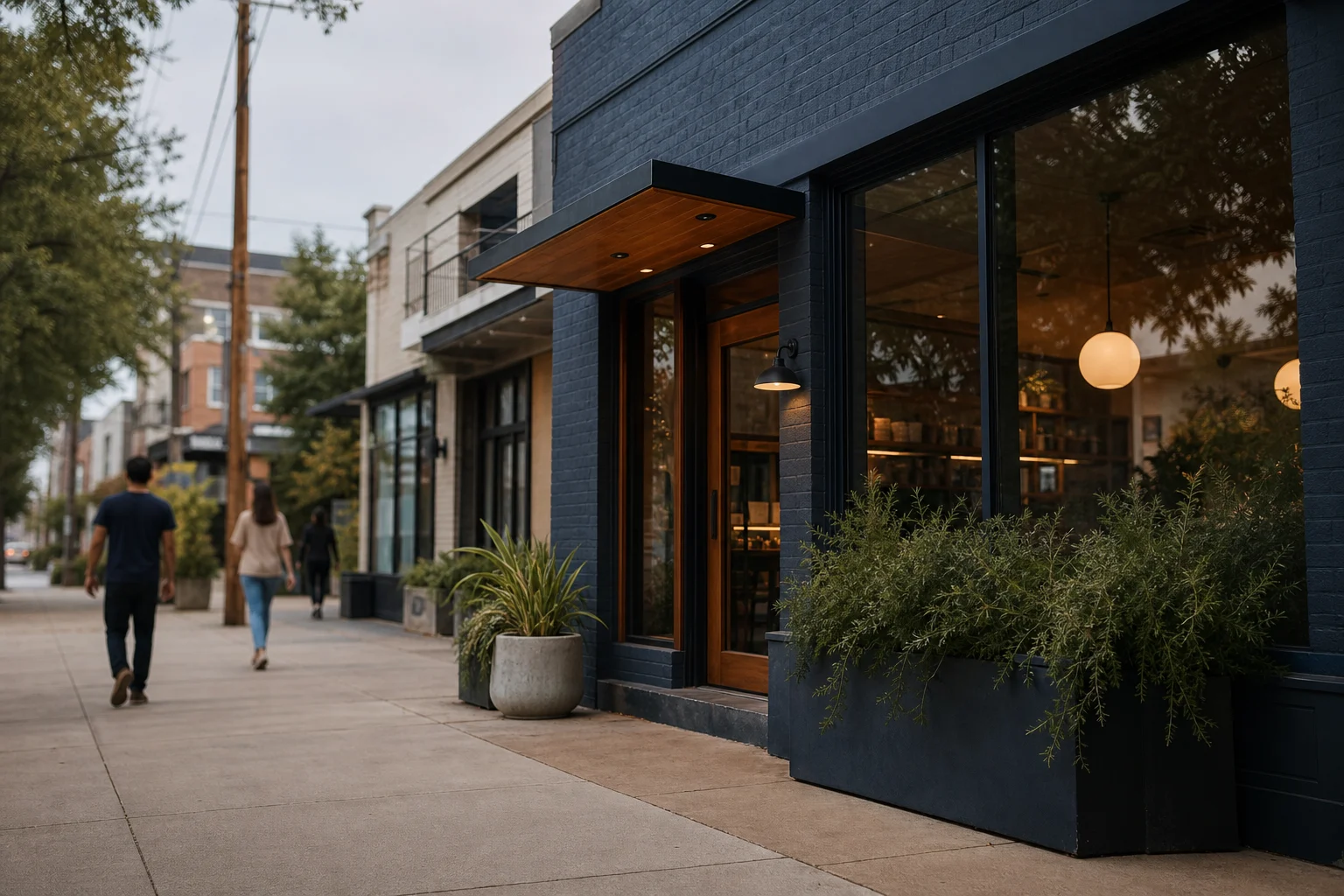
Equipment categories by launch format
When planning your boba shop in Portland, the equipment categories you'll need depend heavily on your chosen launch format. A full-service boba shop requires a comprehensive setup including refrigeration units, brewing stations, specialized boba tea equipment, and customer service areas. Kiosk formats reduce space requirements but still need core brewing and refrigeration equipment. Cart operations minimize equipment needs but limit menu complexity and customer capacity.
Portland's market temperature is mixed, which means you have flexibility in choosing your launch format based on your budget and risk tolerance. The competition density is medium, suggesting there's room for differentiation through your equipment setup and service style. Your equipment choices should align with your target customer base and neighborhood characteristics.
For example, Downtown Portland draws heavy tourist and evening foot traffic near Pioneer Courthouse Square and Powell's Books. This location might benefit from a full-service setup with visible brewing equipment to attract passersby. Goose Hollow, with its dense residential base and Providence Park event traffic, might support a kiosk format that can handle peak demand during events. St. Johns, with its moderate office index, could work well with a cart setup that offers quick service during lunch hours.
Buildout assumptions that change the budget
Buildout requirements significantly impact your boba shop equipment costs Portland budget. Portland's rent level is low compared to other major cities, which can offset some buildout expenses. However, the specific neighborhood you choose affects your buildout needs and costs.
Downtown Portland offers maxed-out walkability and strong transit/parking access, but its customerMatch is weak with office-worker and family indexes near-zero. This might require more buildout investment to create an attractive destination rather than relying on foot traffic. Goose Hollow ties Downtown with identical competitionFit and rentFit scores, but its dense residential neighborhood with strong transit (MAX light rail + bus) might require less buildout investment to create a neighborhood gathering spot. St. Johns has solid competitionFit and rentFit scores but below-average accessibility and demand, potentially requiring more investment in signage and visibility to attract customers.
Your buildout assumptions should consider the specific characteristics of your chosen location. Portland's low rent level provides some budget flexibility, but you'll need to allocate resources based on whether you're creating a destination spot or relying on existing foot traffic. The market temperature being mixed suggests you have some flexibility in timing your buildout to take advantage of market conditions.
New vs used equipment tradeoffs
When considering boba shop equipment costs Portland, the decision between new and used equipment presents important tradeoffs. New equipment offers reliability, warranty protection, and energy efficiency, but comes with a higher upfront cost. Used equipment reduces initial investment but may come with maintenance issues and shorter lifespans.
Portland's mixed market temperature suggests flexibility in equipment purchasing decisions. You might choose to invest in new core equipment while purchasing used supplementary items to balance budget and quality. The medium competition density means your equipment choices can help differentiate your shop from competitors, making quality and presentation important factors.
Downtown Portland's heavy tourist and evening foot traffic might justify investing in new, visually appealing equipment that creates an attractive experience. Goose Hollow's strong evening daypart could benefit from reliable equipment that can handle peak demand during evening hours. St. Johns' modest residential base might allow for more budget-conscious equipment choices since customers may be less focused on the equipment aesthetic and more on product quality.
The score confidence of 65% suggests that while the data provides useful guidance, you should conduct your own equipment research and testing before making final purchasing decisions. Consider the specific needs of your menu and customer base when evaluating new versus used equipment options.
What to inspect in a second-generation space
When considering a second-generation space for your boba shop in Portland, thorough inspection of existing equipment and buildout can significantly impact your equipment costs. A well-maintained space with existing equipment that meets your needs can substantially reduce startup expenses.
In Downtown Portland, where customerMatch is weak, inspect existing equipment carefully to ensure it can support the type of experience you want to create for tourists and evening visitors. Goose Hollow's dense residential neighborhood means inspecting equipment for durability and capacity to handle regular customer traffic. St. Johns' moderate office index requires evaluating whether existing equipment can efficiently handle potential lunch rushes.
When inspecting second-generation spaces, look for:
- Equipment condition and remaining lifespan
- Compatibility with your planned menu
- Ventilation and plumbing adequacy
- Electrical capacity for your equipment needs
- Health code compliance of existing installations
Portland's low rent level makes second-generation spaces particularly attractive, as the reduced equipment costs can offset any additional buildout needs. The market temperature being mixed suggests you might find good deals on second-generation spaces as some businesses reorganize or close.
Remember that the data vintage is 2026-05, so market conditions may have evolved since this snapshot was taken. Conduct your own due diligence when evaluating second-generation spaces and their equipment.
FAQ
What equipment do I need for A Boba Shop in Portland?
A boba shop in Portland typically requires refrigeration units for ingredients, brewing equipment for teas, specialized boba preparation stations, POS systems, and customer service areas. The specific equipment needed depends on your chosen format (full-service, kiosk, or cart) and your menu offerings.
How does Portland's rent level affect my equipment budget?
Portland's rent level is low compared to other major cities, which can provide budget flexibility for equipment purchases. However, neighborhood-specific characteristics like walkability and customer demographics may require different equipment investments regardless of the overall low rent level.
Should I choose Downtown, Goose Hollow, or St. Johns for my boba shop?
Each neighborhood offers different advantages. Downtown (5.9/10) has maxed-out walkability and strong transit/parking access but weak customerMatch. Goose Hollow (5.9/10) is a dense residential neighborhood with strong transit and moderate student index. St. Johns (5.6/10) has solid competitionFit and rentFit scores but below-average accessibility and demand. Your choice should align with your target customer base and business model.
How does Portland's mixed market temperature affect my equipment planning?
The mixed market temperature provides flexibility in timing your equipment purchases and buildout. You might take advantage of potential deals on equipment as the market fluctuates, but should also be prepared to invest in quality equipment that can withstand varying business conditions.
What's the advantage of used equipment for a Portland boba shop?
Used equipment can significantly reduce initial startup costs, which is particularly beneficial given Portland's low rent level. However, you should carefully inspect used equipment for condition, remaining lifespan, and compatibility with your needs to avoid unexpected maintenance issues.
How does competition density impact my equipment choices?
Portland's medium competition density means you have room to differentiate your boba shop through equipment choices and presentation. Investing in quality, visually appealing equipment can help your shop stand out in the market.
What should I look for when inspecting second-generation spaces?
When inspecting second-generation spaces, evaluate the condition and compatibility of existing equipment, check for adequate ventilation and plumbing, assess electrical capacity, and verify health code compliance. The specific inspection priorities may vary based on the neighborhood's characteristics and your business model.
Last reviewed: 2026-05-08
Sources: U.S. Census Bureau ACS, LEHD LODES, Google Places, OpenStreetMap, Locavisor neighborhood scoring.
Methodology: Locavisor scores neighborhoods across demand, competition fit, rent fit, accessibility, and customer match. Scores reflect a snapshot of recent data and should be combined with on-the-ground research before lease decisions.
Disclaimer: This article provides informational content only and does not constitute legal, financial, accounting, or real-estate advice. Verify lease terms, licensing, local regulations, costs, and professional requirements with qualified local professionals before making business decisions.
Free preview shows top 3 neighborhoods. Full $9.99 report covers all 10 areas with personalized scoring + 90-day check-ins.
Informational only. Verify lease, licensing, local regulations, costs, and professional requirements with qualified local professionals.