San Antonio, TX · boba shop
Boba shop equipment costs San Antonio
Planning your boba shop equipment costs in San Antonio requires understanding both your operational needs and local market conditions. Locavisor neighborhood scoring identifies UTSA Main Campus area as the best fit with an overall score of 6.9/10. This area offers a strong customer base with UTSA's 34K+ students, though competition density is medium and market temperature is mixed. Rent levels are low at roughly $20-35/sqft NNN, which directly impacts your equipment budget planning.
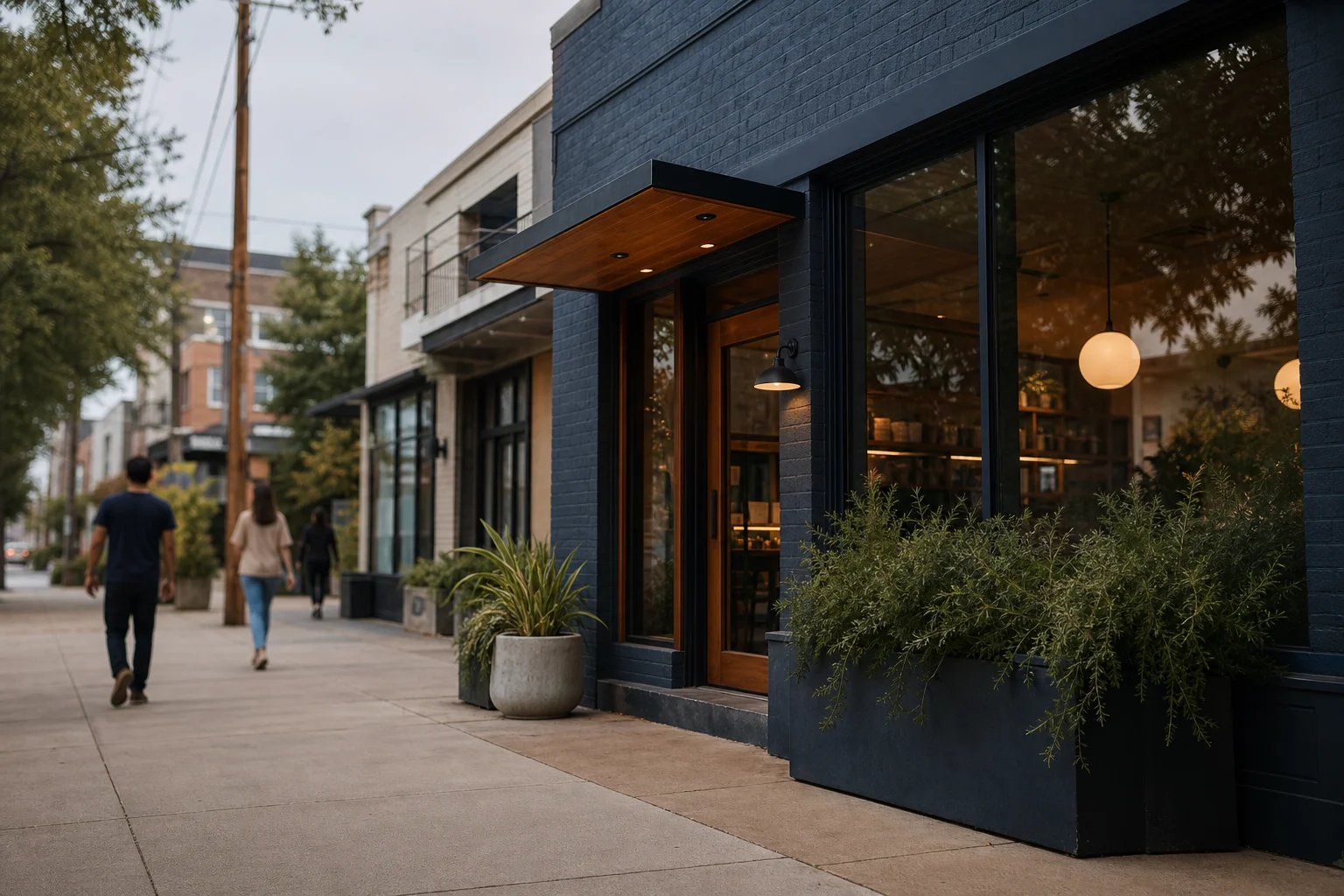
Equipment categories by launch format
Your equipment needs will vary significantly based on your boba shop format. A full-service shop requires more substantial equipment investment than a kiosk or grab-and-go model. Consider your target customer base and service style when planning equipment categories. The UTSA Main Campus area's student demographic favors a space with seating and social areas, increasing equipment needs beyond just preparation stations.
Essential equipment categories include beverage preparation systems, refrigeration units, storage solutions, and customer service stations. Each category has different cost implications based on your chosen format. The West Side / Westside area's car-dependent nature might favor drive-thru equipment additions, while Downtown San Antonio's tourist traffic requires efficient service stations to handle peak periods.
Your equipment selection should align with your menu complexity. A simple tea-and-milk-tea menu requires fewer specialized machines than a full boba shop offering fruit teas, smoothies, and food items. The medium competition density in San Antonio means you'll need equipment that enables differentiation while maintaining operational efficiency.
Buildout assumptions that change the budget
Buildout requirements directly impact your equipment budget and placement decisions. The low rent level in UTSA Main Campus area allows for more substantial buildout investments compared to higher-rent locations. Your buildout approach affects equipment needs, from plumbing requirements for sink installations to electrical capacity for multiple high-power appliances.
Consider how your buildout supports your operational flow. A well-designed space minimizes equipment redundancy and maximizes efficiency. The Downtown San Antonio area's strong walkability means your equipment layout should prioritize customer movement and service speed. In contrast, the West Side / Westside's car-dependent nature might require different equipment placement for drive-thru operations.
Your buildout should accommodate future equipment upgrades. The mixed market temperature in San Antonio suggests evolving customer preferences, so designing flexibility into your buildout allows for equipment additions without major renovations. The 78% score confidence in Locavisor's data indicates reliable market insights for planning your buildout strategy.
New vs used equipment tradeoffs
New equipment offers reliability and warranty coverage but represents a higher upfront investment. The low rent levels in UTSA Main Campus area provide some budget flexibility for new equipment purchases. Consider your cash flow position when deciding between new and used equipment options.
Used equipment reduces initial costs but may come with higher maintenance expenses and shorter useful life. The medium competition density in San Antonio means you'll need reliable equipment to maintain consistent service quality. When evaluating used equipment, prioritize machines with documented maintenance history and remaining warranty coverage.
Your equipment selection should balance cost with operational needs. Critical preparation equipment might justify new purchases, while less frequently used items could be sourced used. The Downtown San Antonio area's tourist traffic demands reliable equipment that can handle high-volume periods, potentially favoring new purchases for critical systems.
What to inspect in a second-generation space
When considering a previously occupied space, evaluate existing equipment infrastructure. The UTSA Main Campus area's established commercial properties may have existing plumbing and electrical systems that support boba shop operations. Assess whether existing equipment meets health code requirements and your operational needs.
Examine the condition of utility connections for your specific equipment requirements. The West Side / Westside area's value-play corridor might have spaces with basic utilities that require upgrades for specialized boba equipment. Factor potential utility upgrade costs into your equipment budget planning.
Look for evidence of previous equipment installations and removals. The medium competition density in San Antonio suggests several spaces may have housed previous boba shops or similar businesses. Assess whether existing infrastructure can support your equipment layout or requires significant modifications. The 2026-05 snapshot data indicates a stable market, making second-generation spaces potentially viable options with proper evaluation.
FAQ
What equipment do I need for A Boba Shop in San Antonio?
Your boba shop equipment needs fall into several key categories. Beverage preparation systems include tea brewers, shake machines, and blenders for creating your signature drinks. Refrigeration units are essential for storing milk, fruit, and other perishable ingredients. You'll need storage solutions for dry goods like tea leaves and tapioca pearls, as well as ice machines and dispensers for drink preparation.
Customer service stations include POS systems, cup holders, and topping stations. The UTSA Main Campus area's student demographic suggests you'll need efficient service equipment to handle peak periods between classes. Consider your specific menu offerings when selecting specialized equipment like fruit presses or milk frothers.
Your equipment should align with your chosen format and location. The Downtown San Antonio area's tourist traffic requires efficient service equipment to handle high-volume periods, while the West Side / Westside's car-dependent nature might necessitate drive-thru equipment additions. Factor in your budget constraints and operational needs when selecting equipment for your San Antonio boba shop.
Last reviewed: 2026-05-07
Sources: U.S. Census Bureau ACS, LEHD LODES, Google Places, OpenStreetMap, Locavisor neighborhood scoring.
Methodology: Locavisor scores neighborhoods across demand, competition fit, rent fit, accessibility, and customer match. Scores reflect a snapshot of recent data and should be combined with on-the-ground research before lease decisions.
Disclaimer: This article provides informational content only and does not constitute legal, financial, accounting, or real-estate advice. Verify lease terms, licensing, local regulations, costs, and professional requirements with qualified local professionals before making business decisions.
Free preview shows top 3 neighborhoods. Full $9.99 report covers all 10 areas with personalized scoring + 90-day check-ins.
Informational only. Verify lease, licensing, local regulations, costs, and professional requirements with qualified local professionals.