San Francisco, CA · boba shop
Boba shop equipment costs San Francisco
Opening a boba shop in San Francisco presents unique challenges and opportunities. The equipment and buildout planning process requires careful consideration of local market conditions, rent structures, and operational needs. San Francisco's competitive landscape demands strategic equipment choices that balance quality, efficiency, and cost-effectiveness. The equipment decisions you make will directly impact your operational costs, customer experience, and overall business viability in this high-rent environment.
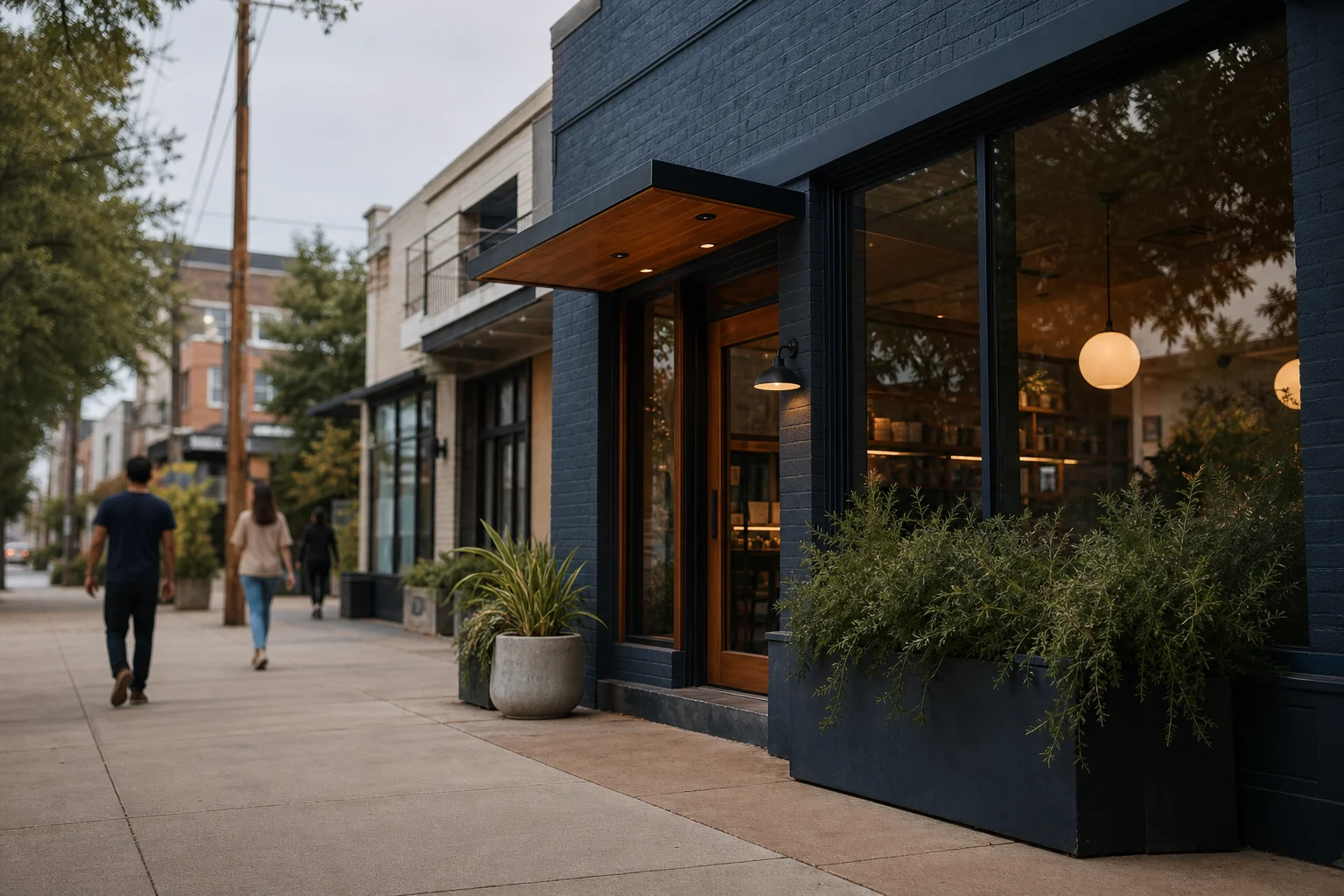
What equipment do you need to open a boba shop in San Francisco?
The core equipment for a boba shop typically includes tea brewing systems, refrigeration units, point-of-sale systems, and specialized preparation tools. In San Francisco, where space is at a premium and rent bands range from $35-$150/sqft/yr NNN across different neighborhoods, equipment selection must optimize for both functionality and footprint. The equipment needs will vary based on your shop's concept, menu complexity, and target customer base.
Key equipment categories include:
- Tea brewing and storage systems
- Refrigeration for ingredients and beverages
- Point-of-sale and order management systems
- Preparation stations and worktables
- Specialized tools for tapioca pearl preparation
- Cleaning and sanitation equipment
- Customer-facing display cases
When planning your equipment needs, consider how each piece will integrate with your kitchen layout and workflow. San Francisco's diverse neighborhoods, from the Tenderloin with its $35-$150/sqft/yr NNN rent band to the Excelsior/Outer Mission at $55/sqft/yr NNN, present different space constraints that will influence equipment choices.
Buildout cost categories
The buildout process for a boba shop in San Francisco involves several distinct cost categories that founders must plan for carefully. Each category has specific considerations that impact both initial investment and long-term operational efficiency. Understanding these categories helps in creating a realistic budget and timeline for your project.
Plumbing and electrical
Plumbing and electrical work represents a significant portion of buildout costs, especially in older San Francisco buildings. The city's varied building stock, from historic structures in neighborhoods like Russian Hill/Polk Gulch to more modern developments in areas like the Tenderloin, requires thorough assessment of existing infrastructure. Electrical upgrades may be necessary to support specialized equipment like multiple refrigeration units and tea brewing systems.
In neighborhoods with $35-$150/sqft/yr NNN rent bands, such as Nob Hill and the Tenderloin, building owners may have different requirements for tenant improvements. Electrical work must accommodate point-of-sale systems, refrigeration, and any specialized brewing equipment. Plumbing considerations include proper drainage for cleaning stations and potentially for ice machines or other water-intensive equipment.
HVAC and ventilation
Proper HVAC and ventilation systems are critical for maintaining a comfortable environment and ensuring food safety in your boba shop. San Francisco's climate varies across neighborhoods, from the foggy conditions near the waterfront to the sunnier areas further inland. Your ventilation system must effectively handle steam from tea preparation and any cooking equipment while maintaining appropriate temperature and air quality.
In high-density areas like the Tenderloin, where multiple boba shops operate including Black Sugar - Boba Bar and Boba Guys Union Square, ventilation becomes even more important to manage odors and maintain good indoor air quality. The $35-$150/sqft/yr NNN rent band in this area means that building owners may have specific requirements for ventilation systems that meet city codes and tenant standards.
Flooring and finishes
Flooring and finishes selection impacts both the customer experience and operational durability. In a boba shop, you'll need flooring that can withstand heavy foot traffic, spills, and frequent cleaning. San Francisco's varied neighborhoods present different aesthetic expectations - from the more traditional look appropriate for Chinatown to the modern vibe suitable for Russian Hill/Polk Gulch.
Consider finishes that balance durability with the desired ambiance. In neighborhoods like Excelsior/Outer Mission, where rent is at a consistent $55/sqft/yr NNN, you may have more flexibility in finish selections compared to prime areas with higher rent bands. The choice of materials affects not just aesthetics but also long-term maintenance costs.
Permits-driven items
Permit requirements in San Francisco can significantly impact your buildout timeline and costs. The city has specific regulations for food service establishments that dictate equipment placement, accessibility features, and safety standards. Items that may require permits include certain types of ventilation systems, plumbing installations, and structural modifications.
Working with a knowledgeable contractor who understands San Francisco's permit process is essential. Different neighborhoods may have additional requirements or faster approval processes. For example, areas near transit hubs like Civic Center/UN Plaza in the Tenderloin may have specific accessibility requirements due to higher foot traffic and public transit connections.
Furniture and signage
Furniture and signage represent the visible elements of your buildout that directly impact customer perception. In San Francisco's competitive boba market, where established operators like Gong Cha and Mountain Boba already have brand recognition, your interior design and signage must effectively communicate your unique value proposition.
Consider how furniture placement optimizes workflow while creating an inviting customer experience. Signage must comply with San Francisco's municipal regulations while standing out in neighborhoods with high foot traffic. In areas like Nob Hill, where Boba Guys Fillmore operates, signage visibility becomes particularly important given the competitive landscape.
Equipment line items to validate in San Francisco
When selecting equipment for your San Francisco boba shop, several line items require special validation against local conditions. These items can significantly impact your operational efficiency and customer satisfaction in the unique San Francisco market.
| Equipment Category | Key Validation Considerations for San Francisco |
|---|---|
| Tea Brewing Systems | Water quality impact on tea flavor and equipment longevity |
| Refrigeration Units | Appropriate sizing for local climate and ingredient storage needs |
| Point-of-Sale Systems | Integration with local payment preferences and potential multilingual support |
| Preparation Stations | Workflow optimization within space constraints |
| Tapioca Pearl Tools | Food safety standards and operational efficiency |
| Cleaning Equipment | Effectiveness in San Francisco's water conditions and health code compliance |
| Display Cases | Temperature control and visual appeal for local customer preferences |
Tea brewing systems should be validated for their ability to handle San Francisco's water quality, which can affect tea flavor and equipment longevity. Refrigeration units must be sized appropriately for the local climate and your specific ingredient storage needs. Point-of-sale systems should integrate with San Francisco's payment preferences and potentially support multiple languages given the city's diverse population.
Preparation stations need to accommodate the workflow of your specific menu while fitting within San Francisco's space constraints. Specialized tools for tapioca pearl preparation must meet food safety standards and operational efficiency requirements. Cleaning and sanitation equipment should be validated for effectiveness in San Francisco's water conditions and compliance with local health codes.
Customer-facing display cases, if included in your concept, must maintain proper temperature control while enhancing the visual appeal of your products. The equipment selection should align with your target customer base in specific San Francisco neighborhoods and their preferences.
How established operators in San Francisco configure their kitchens
Examining how established boba shops in San Francisco configure their kitchens provides valuable insights for new founders. Operators like Black Sugar - Boba Bar, Boba Guys Union Square, and Gong Cha have optimized their layouts to maximize efficiency in San Francisco's space-constrained environments.
These established businesses typically prioritize workflow efficiency, placing frequently used equipment within easy reach of preparation stations. Tea brewing systems are often positioned near refrigeration units to create a logical ingredient flow. Point-of-sale systems are strategically placed for both customer convenience and staff efficiency.
In neighborhoods like the Tenderloin, where multiple boba shops compete for customers, kitchen configuration directly impacts service speed and customer experience. Operators have learned to balance equipment capacity with space limitations, often opting for multi-functional equipment that serves multiple purposes.
The configuration choices reflect an understanding of San Francisco's unique challenges - from space constraints in high-rent areas to the need for efficient operations during peak hours. By studying these configurations, new founders can make more informed equipment and layout decisions for their own boba shops.
Used vs. new vs. lease
When acquiring equipment for your San Francisco boba shop, you'll face decisions about purchasing new, buying used, or leasing equipment. Each option has distinct advantages and considerations that align with different business strategies and financial situations.
New equipment offers the latest technology, full warranties, and predictable performance, but comes with a higher upfront cost. In San Francisco's competitive market, new equipment can provide a technological edge and reliability that supports consistent customer experience. However, the initial investment may be substantial, especially when combined with high rent bands ranging from $35-$150/sqft/yr NNN across different neighborhoods.
Used equipment presents a more budget-friendly option with potentially significant cost savings. Many established San Francisco boba shops like Dots Boba and Tea Plus Tea Bar have successfully utilized quality used equipment to control initial expenses. The key is finding equipment that has been well-maintained and is appropriate for your specific needs. In neighborhoods with $55/sqft/yr NNN rent bands like Chinatown and Excelsior/Outer Mission, used equipment can help manage overall startup costs.
Leasing equipment provides flexibility and lower upfront costs, with predictable monthly payments that can align with revenue streams. This option is particularly attractive for founders testing the market or preferring to preserve capital. Leasing terms vary, and it's important to understand the total cost of ownership over the equipment's useful life. In San Francisco's dynamic market, leasing can provide the flexibility to upgrade equipment as your business evolves or technology advances.
Buildout timeline
The buildout timeline for a boba shop in San Francisco depends on several factors, including permit processing, contractor availability, and the complexity of your design. San Francisco's building department has specific procedures that can impact your timeline, and working with experienced local contractors who understand the process is crucial.
Permit approval times vary by neighborhood and the scope of your project. Areas with more established commercial corridors may have faster approval processes, while historic districts or areas with specific zoning requirements may take longer. The timeline also depends on whether you're working with design-build firms or separate architects and contractors.
Equipment ordering and delivery timelines must be coordinated with your buildout schedule. Lead times for specialized boba shop equipment can range from weeks to months, so planning ahead is essential. In San Francisco's competitive market, securing equipment in a timely manner ensures you can open on schedule and capture market opportunities.
Contingency planning is important, as unexpected delays can occur. Factors like supply chain issues, permit revisions, or unexpected building conditions can extend your timeline. Building in buffer time helps manage these risks and ensures a smoother opening process.
Common buildout overruns
Several factors commonly lead to buildout cost overruns in San Francisco boba shop projects. Understanding these potential issues helps in planning and budgeting more effectively.
Unexpected building conditions often surface during construction, particularly in older San Francisco buildings. Hidden structural issues, outdated plumbing, or inadequate electrical systems can require additional work and expense. Neighborhoods with a mix of building ages, like the Tenderloin with its $35-$150/sqft/yr NNN rent band, may present more variability in building conditions.
Permit revisions and additional requirements from city inspectors can extend timelines and increase costs. San Francisco's building department has specific standards that must be met, and adjustments during the construction process may be necessary. Working with experienced professionals who understand these requirements can help minimize these issues.
Supply chain disruptions and equipment delays can impact both timeline and budget. In today's market, securing equipment and materials on schedule requires proactive planning and potentially alternative sourcing strategies. For boba shops, specialized equipment lead times can be particularly challenging to manage.
Design changes during construction, while sometimes necessary, typically result in cost increases. Thorough planning and clear communication with your design and construction team help minimize the need for mid-project changes. In San Francisco's competitive market, having a well-defined concept from the start supports more efficient buildout and cost control.
FAQ
What equipment do I need to open a boba shop in San Francisco?
To open a boba shop in San Francisco, you'll need core equipment including tea brewing systems, refrigeration units, point-of-sale systems, preparation stations, and specialized tools for tapioca pearl preparation. The specific equipment requirements will depend on your shop's concept, menu complexity, and the neighborhood where you're located. San Francisco's varied rent bands, from $35-$150/sqft/yr NNN in areas like the Tenderloin to $55/sqft/yr NNN in Chinatown and Excelsior/Outer Mission, influence space considerations that impact equipment selection.
How do San Francisco's different neighborhoods affect equipment choices?
San Francisco's neighborhoods present different space constraints and customer expectations that influence equipment decisions. In high-rent areas like Nob Hill with $35-$150/sqft/yr NNN rent bands, space optimization becomes critical, potentially favoring more compact or multi-functional equipment. Neighborhoods like Chinatown and Excelsior/Outer Mission, with $55/sqft/yr NNN rent, may allow for slightly larger footprints but still require efficient use of space. Customer demographics and preferences in each neighborhood also impact equipment choices, such as the need for specific beverage preparation capabilities or display options.
Should I buy new or used equipment for my San Francisco boba shop?
The decision between new and used equipment depends on your budget, risk tolerance, and long-term business strategy. New equipment offers the latest technology and full warranties but comes with higher upfront costs, which can be challenging in San Francisco's high-rent environment. Used equipment provides significant cost savings and is utilized successfully by established operators like Dots Boba and Tea Plus Tea Bar, but requires careful inspection and potentially more maintenance. Leasing offers flexibility and lower upfront costs, aligning payments with revenue streams, which can be advantageous for new businesses testing the market. Consider your financial situation, the specific equipment needs, and how each option supports your business goals in San Francisco's competitive market.
Last reviewed: 2026-05-30
Sources: U.S. Census Bureau ACS, LEHD LODES, Google Places, OpenStreetMap, Locavisor neighborhood scoring.
Methodology: Locavisor scores neighborhoods across demand, competition fit, rent fit, accessibility, and customer match. Scores reflect a snapshot of recent data and should be combined with on-the-ground research before lease decisions.
Disclaimer: This article provides informational content only and does not constitute legal, financial, accounting, or real-estate advice. Verify lease terms, licensing, local regulations, costs, and professional requirements with qualified local professionals before making business decisions.
Free preview shows top 3 neighborhoods. Full $9.99 report covers all 10 areas with personalized scoring + 90-day check-ins.
Informational only. Verify lease, licensing, local regulations, costs, and professional requirements with qualified local professionals.