San Jose, CA · boba shop
Boba shop equipment costs San Jose
Opening a boba shop in San Jose requires careful equipment planning that aligns with your budget and business model. The market temperature is mixed with medium competition density, making equipment decisions critical to your startup success. Your equipment choices will directly impact operational efficiency, product quality, and customer experience.
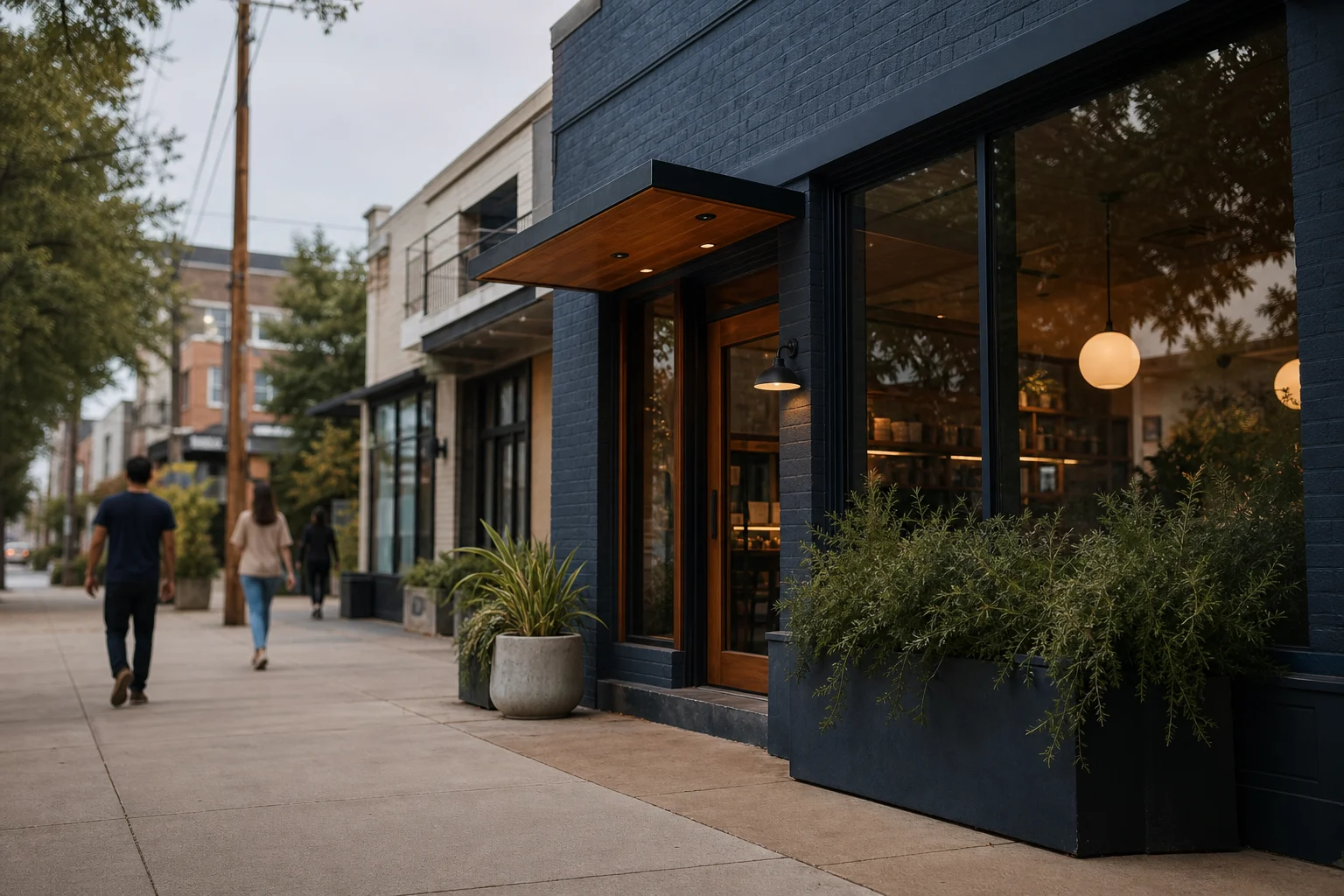
Equipment categories by launch format
Your equipment needs will vary significantly based on your chosen format. A takeout-first operation requires different equipment than a full-service boba shop with seating. The Naglee Park / SJSU area (6.5/10) offers a built-in student customer base that drinks boba daily, making it ideal for a streamlined takeout model with efficient counter service equipment.
Downtown San Jose (6.5/10) supports a more comprehensive setup with its highest walkability in the city and strong office density around Adobe HQ and coworking clusters. Here, you might consider additional equipment to handle higher volume during lunch rushes. The Rose Garden (6.0/10) neighborhood's upscale residential demographic might warrant more premium equipment options to match the neighborhood's character.
Essential equipment categories include beverage preparation systems, refrigeration, storage solutions, point-of-sale systems, and seating/furnishings if applicable. Each category presents different cost considerations based on your format and location requirements.
Buildout assumptions that change the budget
Buildout assumptions directly impact your equipment budget and placement decisions. The rent levels in San Jose's top boba areas range from $30-50/sqft NNN in Naglee Park / SJSU and Rose Garden to $45-70/sqft NNN in Downtown San Jose. These rent levels influence how much you can allocate to equipment versus leasehold improvements.
In the Naglee Park / SJSU area, workable for a medium-budget operator in a takeout-first format, you might prioritize space-efficient equipment that maximizes counter footprint. Downtown San Jose's higher rent levels push equipment decisions toward more compact, multi-functional units that serve multiple purposes. The Rose Garden area's more affordable urban-adjacent option allows for potentially more spacious equipment layouts.
Your buildout should consider utility requirements, ventilation needs, and workflow efficiency. Equipment placement affects both operational efficiency and customer experience, particularly in spaces with limited square footage like those common in San Jose's urban core.
New vs used equipment tradeoffs
New equipment offers reliability, warranty protection, and energy efficiency but comes with a higher upfront cost. Used equipment can significantly reduce initial investment but may require more maintenance and lack warranty coverage. The market temperature in San Jose suggests a mixed environment where both options could be viable depending on your specific location.
The Naglee Park / SJSU area's student customer base might tolerate occasional equipment downtime better than a more established neighborhood like Rose Garden, where equipment reliability could be more critical to maintaining the upscale residential demographic's expectations. Downtown San Jose's strong office density demands consistent operation during peak hours, making equipment reliability a higher priority.
When evaluating used equipment, consider the remaining lifespan, maintenance history, and compatibility with your specific operational needs. The 82% score confidence in Locavisor neighborhood scoring suggests that equipment decisions should align with the specific characteristics of your chosen area.
What to inspect in a second-generation space
When considering a space that previously housed a boba shop or similar business, specific inspections can reveal potential cost savings or hidden challenges. The competition density in San Jose's top areas is medium, meaning second-generation spaces may already have some infrastructure in place.
In the Naglee Park / SJSU area, verify that existing equipment meets health code requirements and can handle the student customer base's daily consumption patterns. Downtown San Jose spaces may have higher-end equipment that needs evaluation against your specific menu requirements and volume expectations. Rose Garden's second-generation spaces might require equipment upgrades to match the neighborhood's upscale character.
Inspect utility connections, ventilation systems, and plumbing to ensure compatibility with your specific equipment needs. The evening and late-night dayparts in Naglee Park / SJSU are strong, meaning equipment should be capable of sustained operation during extended hours. In contrast, Rose Garden's late-night potential is weak, allowing for more standard equipment operating parameters.
FAQ
What equipment do I need for A Boba Shop in San Jose?
Your equipment needs will depend on your specific format and location. Essential categories include beverage preparation systems (tea brewers, shake machines, blenders), refrigeration (reach-in coolers, freezers), storage solutions (shelving, dry storage), point-of-sale systems, and potentially seating/furnishings if offering a dine-in experience.
The Naglee Park / SJSU area's student customer base drinks boba daily, suggesting efficient counter service equipment would be optimal. Downtown San Jose's strong office density around Adobe HQ and coworking clusters might require equipment capable of handling higher volume during lunch rushes. Rose Garden's upscale residential demographic might warrant more premium equipment options to match the neighborhood's character.
Before finalizing equipment decisions, consider how each category aligns with your specific business model, budget constraints, and the unique characteristics of your chosen location. The rent levels in San Jose's top boba areas range from $30-50/sqft NNN in Naglee Park / SJSU and Rose Garden to $45-70/sqft NNN in Downtown San Jose, which will influence your equipment budget allocation.
Last reviewed: 2026-05-07
Sources: U.S. Census Bureau ACS, LEHD LODES, Google Places, OpenStreetMap, Locavisor neighborhood scoring.
Methodology: Locavisor scores neighborhoods across demand, competition fit, rent fit, accessibility, and customer match. Scores reflect a snapshot of recent data and should be combined with on-the-ground research before lease decisions.
Disclaimer: This article provides informational content only and does not constitute legal, financial, accounting, or real-estate advice. Verify lease terms, licensing, local regulations, costs, and professional requirements with qualified local professionals before making business decisions.
Free preview shows top 3 neighborhoods. Full $9.99 report covers all 10 areas with personalized scoring + 90-day check-ins.
Informational only. Verify lease, licensing, local regulations, costs, and professional requirements with qualified local professionals.