Seattle, WA · boba shop
Boba shop equipment costs Seattle
Planning your boba shop equipment costs in Seattle requires careful consideration of location, format, and buildout requirements. The equipment needs for a boba shop vary significantly based on whether you're operating a quick-service counter, a full-service café with seating, or a hybrid model that combines elements of both.
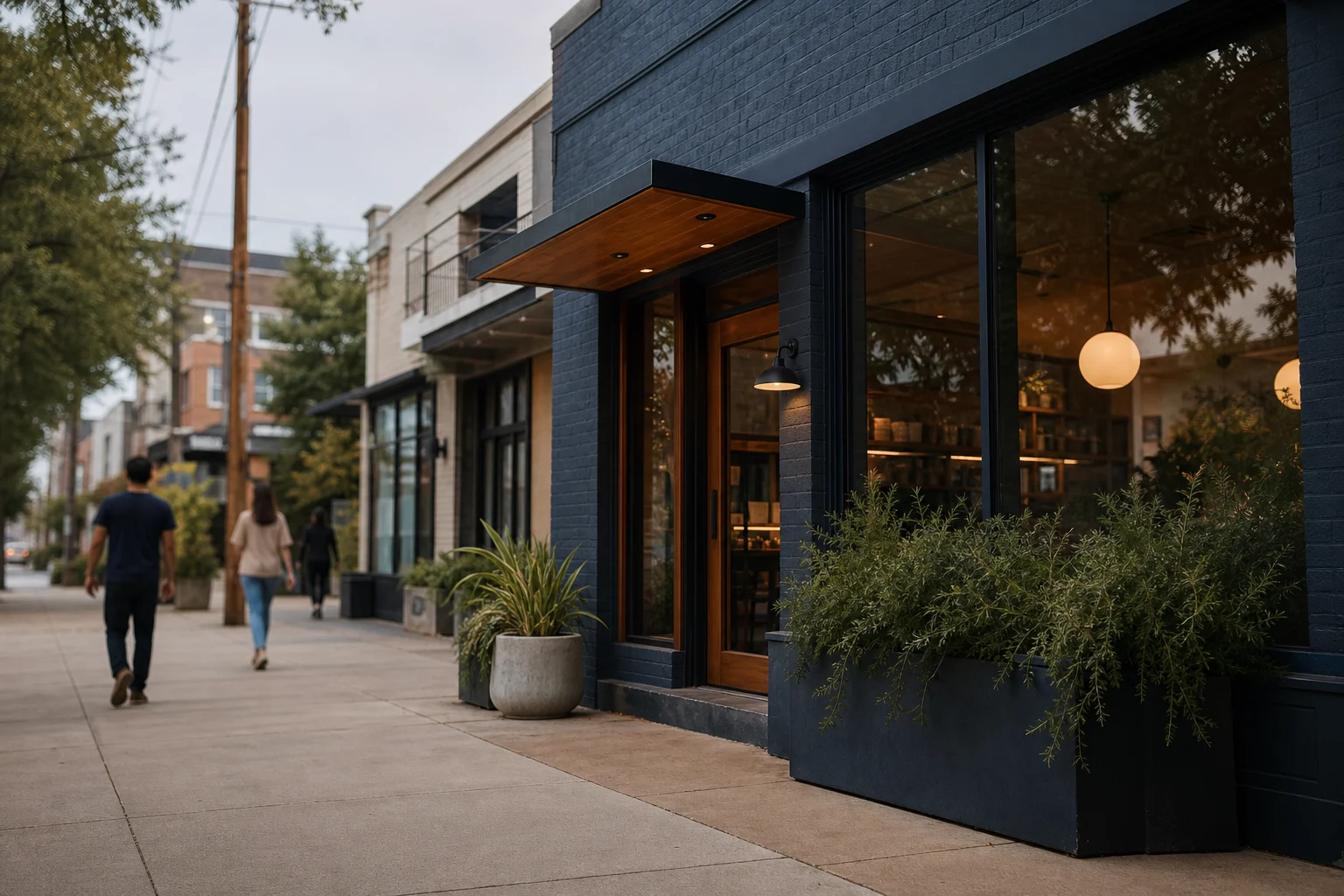
Equipment categories by launch format
For a boba shop in Seattle, equipment needs differ based on your operational format. A quick-service model requires less equipment but limits your menu options and customer experience. A full-service café demands more investment but allows for higher average checks and extended operating hours. The hybrid model offers flexibility but requires careful planning to optimize space and workflow.
Essential equipment categories include brewing systems, refrigeration, preparation stations, point-of-sale systems, and customer seating. Each category has different cost implications based on your chosen format and location within Seattle's top neighborhoods.
Buildout assumptions that change the budget
Buildout requirements vary significantly across Seattle's top boba shop locations. In the U-District (University District) (7.1/10), you'd be the 9th boba shop in a hyper-saturated block, requiring more investment to stand out. Wallingford's N 45th St corridor offers zero boba shops on the main drag, allowing for a more standard buildout. Fremont's 'Center of the Universe' location demands equipment that appeals to office workers and tourists, potentially requiring more sophisticated brewing and presentation systems.
Plumbing and electrical requirements differ by neighborhood. The U-District's high foot traffic may necessitate more robust systems to handle peak demand. Wallingford's family-oriented customer base might require different seating arrangements and layout considerations. Fremont's craft coffee-focused market may demand higher-end brewing equipment to meet customer expectations.
New vs used equipment tradeoffs
New equipment offers reliability, warranty protection, and energy efficiency but comes with a higher upfront cost. Used equipment reduces initial investment but may require more maintenance and lack warranty coverage. In Seattle's competitive boba market, the decision between new and used equipment depends on your budget constraints, technical expertise, and long-term business strategy.
The U-District's high competition density might justify investing in new equipment to ensure reliability during peak hours. Wallingford's more established customer base could accommodate used equipment if properly maintained. Fremont's craft-focused market may require newer equipment to meet quality expectations.
What to inspect in a second-generation space
When considering a second-generation space for your boba shop, focus on existing infrastructure that can reduce buildout costs. Plumbing for sinks, drains, and ice machines can be expensive to install from scratch. Electrical systems capable of handling commercial kitchen equipment requirements are critical to evaluate. Ventilation systems designed for food service operations can save significant installation costs.
In the U-District, existing boba shop spaces may have specialized equipment hookups that could be repurposed. Wallingford's commercial spaces might require more extensive modifications to meet boba shop requirements. Fremont's retail spaces could offer flexible layouts but may need significant plumbing and electrical upgrades.
FAQ
What equipment do I need for A Boba Shop in Seattle?
A boba shop in Seattle requires several categories of equipment depending on your operational format. Essential equipment includes brewing systems for tea, refrigeration for ingredients and prepared drinks, preparation stations for mixing and serving, point-of-sale systems for transactions, and customer seating if offering a dine-in experience. The specific equipment needs vary based on your chosen neighborhood's customer expectations and operational requirements.
How does location affect equipment needs in Seattle?
Location significantly impacts equipment requirements in Seattle's top boba shop neighborhoods. The U-District's high student traffic demands efficient, high-volume equipment to handle peak hours. Wallingford's family-oriented customer base may require different seating arrangements and layout considerations. Fremont's craft-focused market might necessitate higher-end brewing equipment to meet quality expectations. Each neighborhood's unique characteristics should inform your equipment decisions.
What buildout considerations are specific to Seattle's boba market?
Seattle's boba market requires specific buildout considerations including compliance with local health department regulations, adequate ventilation for tea brewing, proper plumbing for multiple sinks and ice machines, and electrical systems capable of handling commercial kitchen equipment. The U-District's high competition may require more distinctive buildout elements. Wallingford's residential density might necessitate different noise considerations. Fremont's tourist traffic could require additional customer waiting space.
How do I balance equipment costs with startup budget constraints?
Balancing equipment costs with startup budget requires prioritizing essential equipment first, considering phased equipment purchases, evaluating new versus used options, and exploring financing alternatives. The U-District's low rent level might allow for higher equipment investment. Wallingford's market temperature suggests a steady customer base that could support gradual equipment upgrades. Fremont's competition density might require strategic equipment investment to differentiate your offering.
What should I look for in a commercial space for my boba shop?
When evaluating commercial spaces for your boba shop, assess existing plumbing and electrical infrastructure, ventilation capabilities, floor plan efficiency for your workflow, visibility and accessibility for customers, and compliance with health department requirements. The U-District's light rail access offers transportation advantages. Wallingford's residential density provides a consistent customer base. Fremont's office-worker lunch traffic creates specific peak-hour considerations.
Last reviewed: 2026-05-08
Sources: U.S. Census Bureau ACS, LEHD LODES, Google Places, OpenStreetMap, Locavisor neighborhood scoring.
Methodology: Locavisor scores neighborhoods across demand, competition fit, rent fit, accessibility, and customer match. Scores reflect a snapshot of recent data and should be combined with on-the-ground research before lease decisions.
Disclaimer: This article provides informational content only and does not constitute legal, financial, accounting, or real-estate advice. Verify lease terms, licensing, local regulations, costs, and professional requirements with qualified local professionals before making business decisions.
Free preview shows top 3 neighborhoods. Full $9.99 report covers all 10 areas with personalized scoring + 90-day check-ins.
Informational only. Verify lease, licensing, local regulations, costs, and professional requirements with qualified local professionals.