Washington, DC · boba shop
Boba shop equipment costs Washington
Opening a boba shop in Washington requires careful planning of equipment and buildout costs. The District's unique market conditions—mixed temperature, medium competition density, and varying rent levels across neighborhoods—directly impact your equipment decisions. Understanding these factors helps allocate resources effectively while maintaining quality standards that attract customers in a competitive landscape.
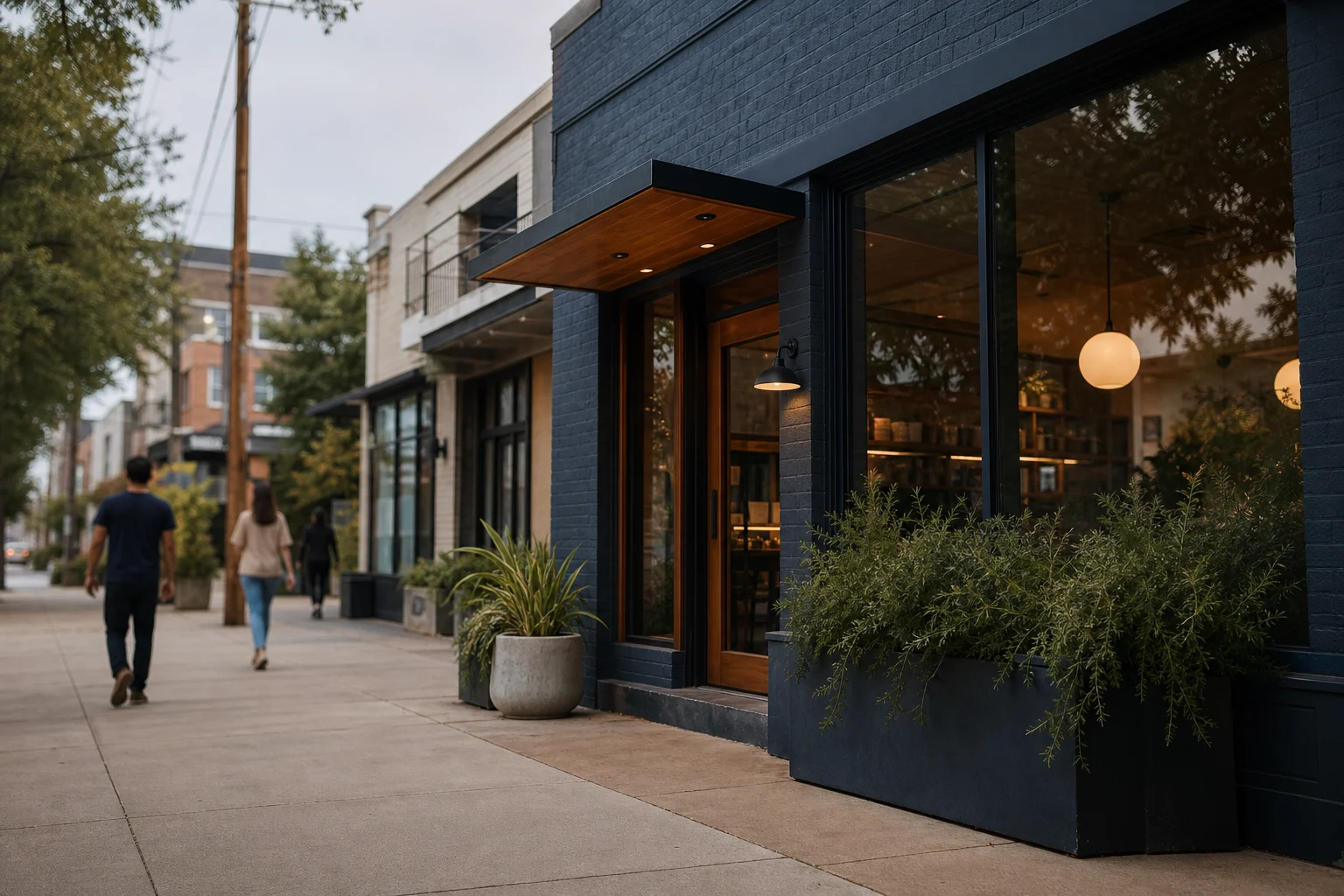
Equipment categories by launch format
Your equipment needs will vary based on your chosen format. A quick-service boba shop requires different equipment than a full-service café with food offerings. The core categories include brewing systems, refrigeration, POS technology, and customer experience elements.
Brewing equipment forms the backbone of your operation. This includes tea brewers, water filtration systems, and specialized boba cooking stations. In Washington's market, where customers expect authentic flavors, investing in quality brewing systems is non-negotiable. The Foggy Bottom/GWU area, with its 25,000+ students and daytime workers, demands efficient brewing capacity to handle peak hours.
Refrigeration needs extend beyond basic storage. You'll need refrigerated display cases for ingredients, prep refrigerators for daily operations, and possibly frozen storage for boba supplies. The Chevy Chase DC area's upscale clientele might warrant more premium refrigeration options that maintain ingredient quality while enhancing visual appeal.
POS systems must handle Washington's diverse payment preferences. Contactless payments, mobile ordering capabilities, and integration with delivery platforms are essential. The Ivy City area's growing food scene benefits from POS systems that support both in-person and online ordering to capture the evening crowd drawn to establishments like Ivy City Smokehouse and Other Half Brewing.
Customer experience equipment includes seating, décor, and service counters. In competitive areas like Foggy Bottom with five boba competitors within 2km, your physical environment becomes a key differentiator. The balance between functionality and atmosphere requires careful equipment selection that aligns with your brand positioning.
Buildout assumptions that change the budget
Buildout approaches significantly impact equipment requirements and overall costs. New construction offers maximum flexibility but comes with higher initial investment. Renovating existing spaces can reduce costs but may require compromises on equipment placement and functionality.
Washington's rent levels vary across neighborhoods. Foggy Bottom/GWU and Chevy Chase DC command roughly $30-50/sqft NNN, while Ivy City offers more affordable options at $20-35/sqft NNN. These differences influence your buildout budget and equipment choices. Higher rent areas may necessitate more space-efficient equipment to maximize revenue per square foot.
Plumbing requirements for boba shops exceed typical café needs. Beyond standard sinks, you'll need dedicated stations for boba preparation, which affects buildout complexity. In areas with older infrastructure like parts of Foggy Bottom, plumbing upgrades may be necessary, increasing buildout costs and timeline.
Electrical capacity is another critical consideration. Equipment like brewers, refrigerators, and POS systems require reliable power. The mixed market temperature in Washington means demand fluctuates, so your electrical setup must handle both peak and off-peak operations without overbuilding for capacity you may not need.
Ventilation needs differ based on your menu. If offering food items, commercial-grade ventilation becomes essential. The competition density in Washington's boba market means differentiation through menu expansion might require additional buildout elements that impact equipment selection and placement.
New vs used equipment tradeoffs
New equipment offers reliability, warranty coverage, and energy efficiency. In Washington's competitive boba market, where customers expect consistency, new equipment provides peace of mind regarding performance and food safety standards. The medium competition density means quality differentiation matters, and new equipment can contribute to that perception.
Used equipment reduces initial investment but comes with risks. The 78% score confidence in Locavisor neighborhood scoring suggests that market conditions are somewhat predictable, making the gamble of used equipment slightly more calculable. However, older equipment may have higher maintenance costs and shorter useful life, potentially offsetting initial savings.
The rent level in your chosen neighborhood affects this decision. In higher-rent areas like Foggy Bottom/GWU, the monthly carrying cost of new equipment might be more justifiable given the revenue potential. In more affordable areas like Ivy City, used equipment might allow for better allocation of limited startup capital to other business aspects.
Equipment financing options vary based on condition and age. New equipment often qualifies for better financing terms, while used purchases may require larger down payments. Washington's mixed market temperature means cash flow management is crucial, making financing terms an important consideration in your equipment acquisition strategy.
The competition density in Washington's boba market influences equipment decisions. In areas with multiple competitors like Foggy Bottom, having top-tier equipment can provide a competitive edge. In less saturated areas like Ivy City, functional equipment that meets basic quality standards might suffice, allowing for more budget flexibility.
What to inspect in a second-generation space
When considering a space with existing equipment, thorough inspection prevents unexpected costs and operational issues. The market temperature in Washington suggests that second-generation spaces might be more available, making this inspection process particularly valuable.
Plumbing connections for boba-specific equipment require verification. Older installations may not meet current health codes or capacity needs. In areas with established boba presence like Foggy Bottom, the existing equipment might be well-maintained, while newer markets like Ivy City could have installations that haven't stood the test of time.
Electrical systems must support your equipment load. Older buildings in Washington may have outdated wiring that can't handle modern equipment demands. The rent level correlates with building quality—higher-rent areas typically have better infrastructure, reducing the need for costly electrical upgrades.
Refrigeration equipment needs evaluation for both functionality and energy efficiency. Older units may consume more electricity, increasing operating costs. The competition density in Washington means energy efficiency contributes to better margins, making this inspection critical for long-term profitability.
Ventilation systems should be assessed if planning food service. The growing food scene in areas like Ivy City means proper ventilation is increasingly important. Existing setups may require modifications to meet current health standards or accommodate expanded menu offerings.
FAQ
What equipment do I need for A Boba Shop in Washington?
Essential equipment includes tea brewing systems, boba cooking stations, refrigeration units, POS systems, and customer service infrastructure. The specific mix depends on your format and location within Washington. In high-traffic areas like Foggy Bottom/GWU, efficiency-focused equipment handles larger volumes, while in emerging markets like Ivy City, more versatile equipment supports menu experimentation.
How does Washington's market affect equipment decisions?
Washington's mixed market temperature and medium competition density mean equipment should balance quality with operational efficiency. The rent level varies significantly across neighborhoods, from $20-35/sqft NNN in Ivy City to $30-50/sqft NNN in Foggy Bottom/GWU and Chevy Chase DC, directly impacting equipment budget allocation.
Should I prioritize new or used equipment in Washington?
The decision depends on your specific location and business model. Higher-rent areas like Foggy Bottom/GWU may justify new equipment investment given revenue potential, while more affordable areas like Ivy City might allow for used equipment purchases. Washington's established boba market in some neighborhoods means used equipment from successful competitors could be particularly valuable.
What buildout factors impact equipment costs most in Washington?
Plumbing and electrical requirements significantly affect equipment-related buildout costs. Older buildings in areas like parts of Foggy Bottom may need substantial infrastructure upgrades. The competition density in Washington means buildout should support efficient operations to maintain margins in a crowded market.
How does neighborhood choice affect equipment planning?
Each of Washington's top boba neighborhoods presents different equipment considerations. Foggy Bottom/GWU demands high-volume equipment for students and workers, Chevy Chase DC requires premium presentation for an affluent clientele, and Ivy City needs versatile equipment for a developing evening market. The rent level in each area directly influences equipment budget allocation.
Last reviewed: 2026-05-08
Sources: U.S. Census Bureau ACS, LEHD LODES, Google Places, OpenStreetMap, Locavisor neighborhood scoring.
Methodology: Locavisor scores neighborhoods across demand, competition fit, rent fit, accessibility, and customer match. Scores reflect a snapshot of recent data and should be combined with on-the-ground research before lease decisions.
Disclaimer: This article provides informational content only and does not constitute legal, financial, accounting, or real-estate advice. Verify lease terms, licensing, local regulations, costs, and professional requirements with qualified local professionals before making business decisions.
Free preview shows top 3 neighborhoods. Full $9.99 report covers all 10 areas with personalized scoring + 90-day check-ins.
Informational only. Verify lease, licensing, local regulations, costs, and professional requirements with qualified local professionals.