Denver, CO · coffee shop
Coffee shop equipment costs Denver
Planning a coffee shop in Denver requires careful consideration of equipment costs and buildout planning. The coffee shop equipment costs Denver market presents unique opportunities and challenges depending on your chosen location. Denver's coffee scene is competitive, with promising market temperatures and varying rent levels across different neighborhoods. According to Locavisor neighborhood scoring data from May 2026, LoDo (Lower Downtown) stands out as the best area with an 8.5/10 score, offering high-traffic corridors and strong transit connections.
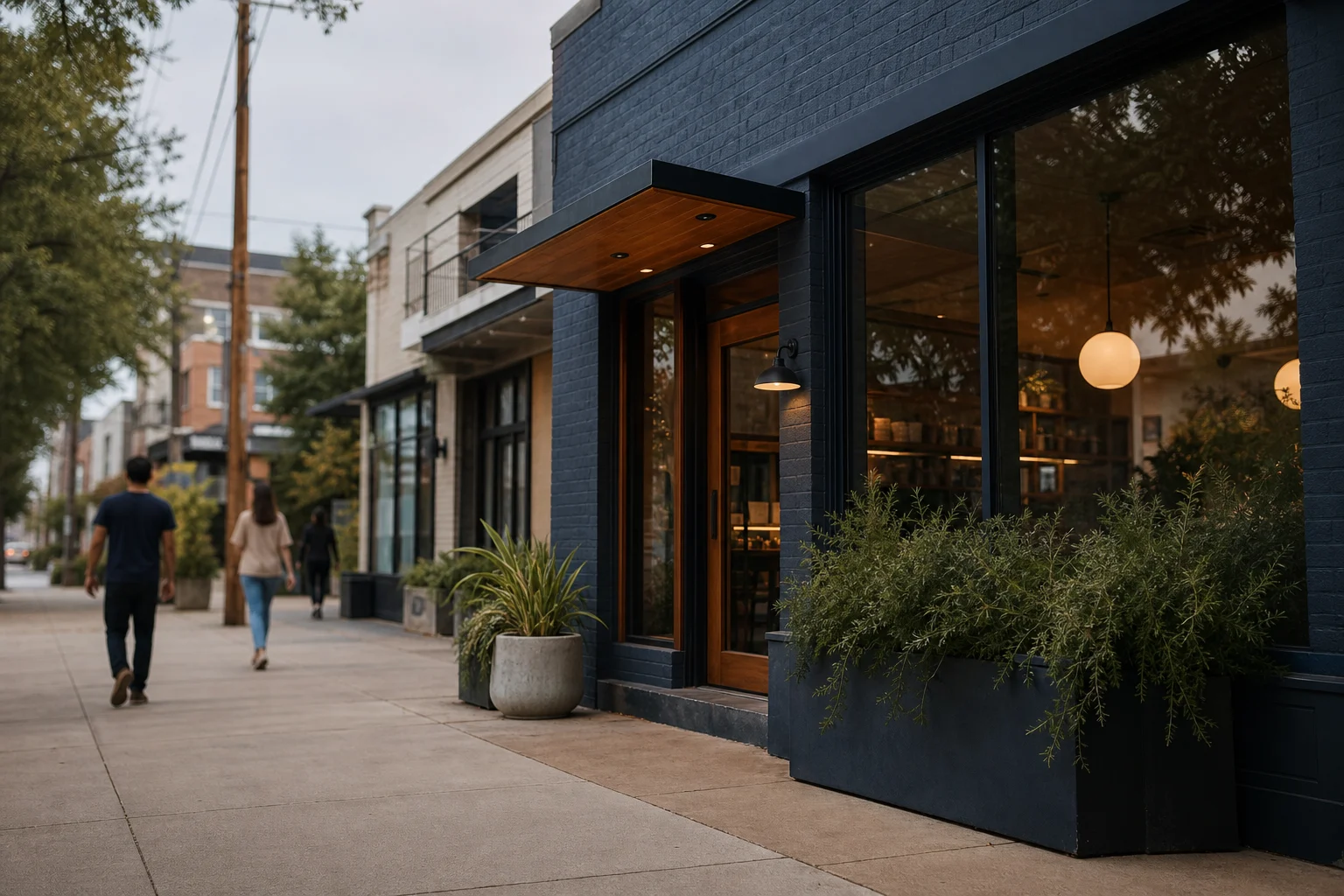
Equipment categories by launch format
Your coffee shop's launch format significantly impacts equipment needs. A full-service café requires different equipment than a kiosk or grab-and-go model. Denver's market temperature is promising, but competition density varies by neighborhood. In LoDo, where rent levels are low compared to the value offered, you'll face medium competition density with established players like Little Owl Coffee and Huckleberry Roasters.
For a traditional café format, you'll need espresso machines, grinders, brewers, and refrigeration systems. A kiosk model reduces equipment requirements but limits menu options. RiNo's creative-class hub supports both formats, with its industrial-chic corridor accommodating various coffee shop concepts. The Denver Central Market in this area provides a built-in customer base for specialty coffee offerings.
Drive-thru operations require different equipment layouts than storefront locations. Five Points, with its historic jazz corridor and light-rail connections, offers the most affordable rent tier ($20-35/sqft NNN) while maintaining strong daytime traffic from nearby offices and coworking spaces. This neighborhood's lower rent level allows for potentially higher equipment budgets compared to higher-rent areas.
Buildout assumptions that change the budget
Buildout requirements vary significantly based on your space's condition and location. LoDo's highest-traffic downtown corridor with Union Station, Larimer Square, and Coors Field presents premium opportunities but comes with specific buildout considerations. The dense office core creates high footfall but also necessitates efficient space planning to maximize throughput during morning and lunch dayparts.
Second-generation spaces often come with existing plumbing and electrical systems that can reduce buildout costs. RiNo's industrial-chic corridor frequently offers these opportunities in converted warehouses and industrial buildings. However, these spaces may require significant investment to meet current health codes and accessibility standards.
New construction provides maximum flexibility but at higher costs. Five Points' historic jazz corridor along Welton St offers a mix of older buildings and newer developments. The light-rail connectivity in this neighborhood provides excellent visibility and accessibility, potentially reducing marketing costs while requiring careful planning to accommodate customer flow from transit stops.
New vs used equipment tradeoffs
New equipment offers reliability and warranty protection but comes with higher upfront costs. Denver's market temperature suggests that investing in quality equipment may pay off through longevity and reduced maintenance needs. In LoDo, where competition density is medium, having reliable equipment can provide a competitive edge during peak hours.
Used equipment reduces initial investment but carries higher maintenance risks. RiNo's creative-class hub includes several equipment resellers and liquidation services, offering opportunities to find quality used equipment at reduced prices. However, the area's coworking spaces like INDUSTRY Denver and Fabrica RiNo indicate a growing professional population that may expect modern, well-maintained facilities.
Leasing equipment spreads costs over time but increases long-term expenses. Five Points' most affordable rent tier ($20-35/sqft NNN) allows for potentially higher equipment budgets, making ownership more feasible. The neighborhood's strong daytime population from nearby offices and coworking spaces justifies investing in equipment that can handle consistent traffic throughout the day.
What to inspect in a second-generation space
When evaluating a second-generation space, focus on the condition of existing infrastructure. LoDo's highest-traffic downtown corridor spaces often come with established plumbing and electrical systems that can support coffee shop operations. However, verify that these systems meet current health department requirements and can handle the specific demands of your equipment.
Ventilation systems require particular attention in coffee shop buildouts. RiNo's industrial-chic corridor spaces may have existing ventilation from previous restaurant uses, but these systems may need upgrades to handle coffee roasting or high-volume espresso production. The Denver Central Market in this area provides a benchmark for ventilation standards in food service establishments.
Floor conditions impact both equipment placement and customer flow. Five Points' historic jazz corridor buildings often feature original hardwood floors that add character but may require reinforcement to support heavy espresso machines and refrigeration units. The light-rail connectivity in this neighborhood creates opportunities for both indoor and outdoor seating, requiring careful planning of floor space to accommodate different customer experiences.
FAQ
What equipment do I need for A Coffee Shop in Denver?
Essential coffee shop equipment varies by format and location. In high-traffic areas like LoDo, you'll need robust espresso machines capable of handling peak morning and lunch rushes. RiNo's creative-class hub supports both traditional and innovative coffee presentations, requiring versatile equipment that can accommodate various brewing methods. Five Points' more affordable rent tier allows for investment in quality equipment that can serve the neighborhood's strong daytime population from nearby offices and coworking spaces.
Basic equipment requirements include espresso machines, grinders, brewers, and refrigeration systems. Additional equipment depends on your menu offerings—pastries require display cases and ovens, while cold brew needs specialized equipment. Denver's market temperature suggests investing in reliable equipment that can handle the city's diverse climate conditions, from summer heat to winter cold.
Space constraints in Denver's urban neighborhoods require efficient equipment layouts. LoDo's dense office core demands compact, efficient equipment arrangements. RiNo's industrial-chic corridor offers more flexible layouts in converted spaces. Five Points' historic buildings may require creative solutions to fit equipment while maintaining the neighborhood's character.
Last reviewed: 2026-05-08
Sources: U.S. Census Bureau ACS, LEHD LODES, Google Places, OpenStreetMap, Locavisor neighborhood scoring.
Methodology: Locavisor scores neighborhoods across demand, competition fit, rent fit, accessibility, and customer match. Scores reflect a snapshot of recent data and should be combined with on-the-ground research before lease decisions.
Disclaimer: This article provides informational content only and does not constitute legal, financial, accounting, or real-estate advice. Verify lease terms, licensing, local regulations, costs, and professional requirements with qualified local professionals before making business decisions.
Free preview shows top 3 neighborhoods. Full $9.99 report covers all 10 areas with personalized scoring + 90-day check-ins.
Informational only. Verify lease, licensing, local regulations, costs, and professional requirements with qualified local professionals.