Detroit, MI · coffee shop
Coffee shop equipment costs Detroit
When planning a coffee shop in Detroit, understanding equipment costs is crucial for your startup budget. Detroit's coffee scene offers promising opportunities, particularly in areas like Downtown Detroit, Lafayette Park, and Greektown, where market temperature is promising and rent levels are relatively low. This guide breaks down equipment and buildout planning considerations specific to Detroit's coffee shop landscape.
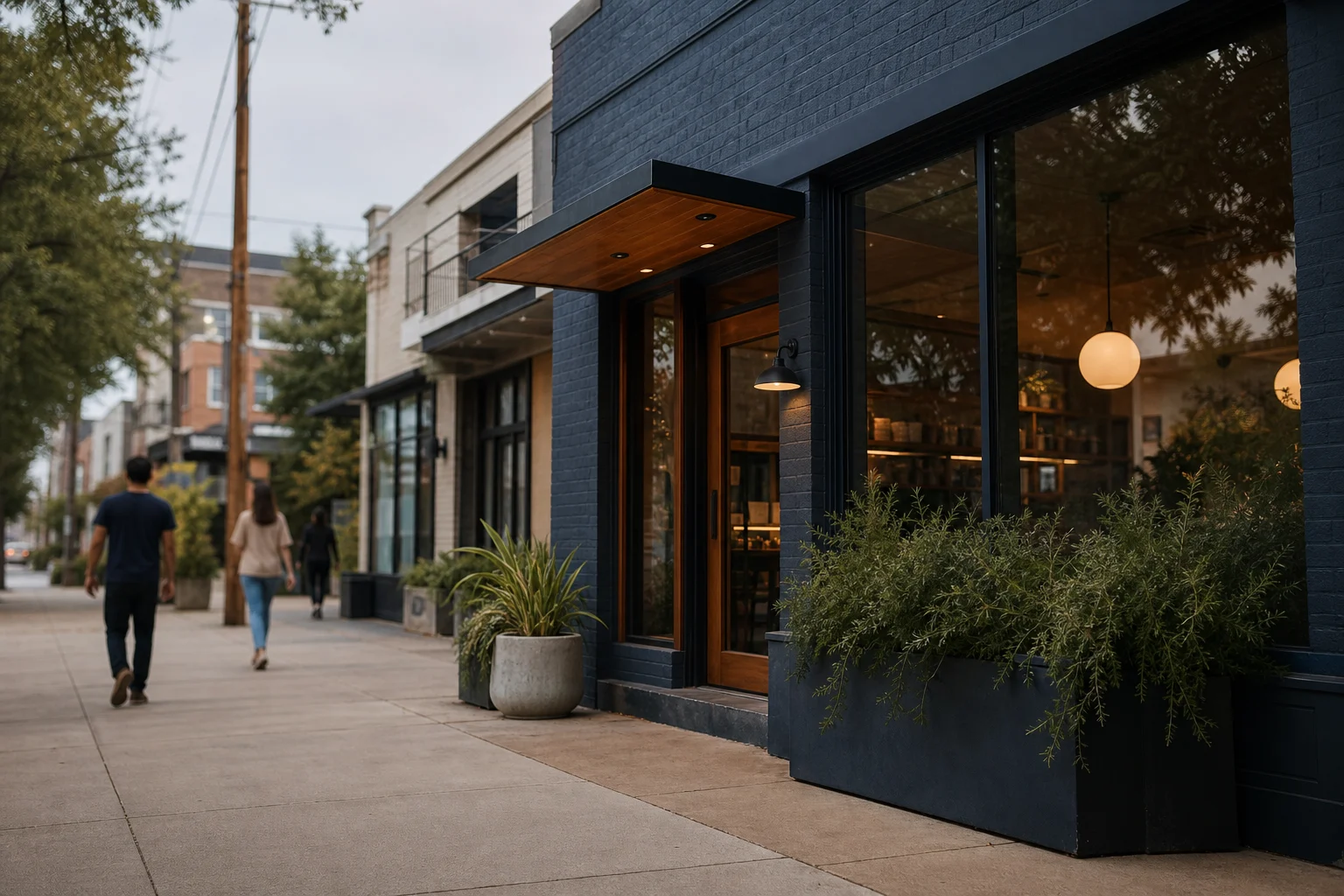
Equipment Categories by Launch Format
Coffee shop equipment costs in Detroit vary significantly based on your chosen format. The market temperature in Detroit is promising, with medium competition density and low rent levels, which influences equipment decisions. Detroit's top three areas for coffee shop locations—Downtown Detroit (8.0/10), Lafayette Park (7.9/10), and Greektown (7.7/10)—each present different equipment requirements based on their unique characteristics.
Downtown Detroit, anchored by Campus Martius Park, the Guardian Building, and the GM Renaissance Center, has city-leading office density with roughly 10,500 weekday workers within 800m. This high foot traffic necessitates equipment that can handle peak volume while maintaining quality. Your equipment budget should account for high-capacity espresso machines, efficient grinders, and robust POS systems to manage the downtown rush.
Lafayette Park, a Mies van der Rohe-designed residential enclave east of downtown, benefits from strong daytime office density spilling over from the core. The walkability is strong, and parking is ample. This area supports a more moderate equipment approach, balancing capacity with the residential character of the neighborhood. Consider equipment that offers flexibility for both morning commuters and local residents.
Greektown, a historic entertainment corridor anchored by Greektown Casino, Pegasus Taverna, and the People Mover station, has near-ceiling walkability and maxed-out parking access. While the daytime office population is strong, the area leans heavily toward evening dining and casino traffic. Your equipment strategy should accommodate both daytime coffee service and evening beverage offerings, potentially requiring more versatile equipment than a traditional coffee shop.
Buildout Assumptions That Change the Budget
Buildout assumptions significantly impact your coffee shop equipment costs in Detroit. The rent level in Detroit's top areas runs roughly $30-50/sqft NNN, which is workable for a medium-budget operator. However, buildout requirements can vary dramatically between spaces, affecting your equipment budget.
In Detroit's core business districts, existing infrastructure may support certain equipment types better than others. Older buildings in Downtown Detroit might require additional electrical work to support high-capacity espresso machines and commercial refrigeration. Lafayette Park's mid-century modern architecture may present unique challenges for equipment installation, particularly regarding plumbing and ventilation systems.
The market temperature in Detroit is promising, which means landlords may offer tenant improvement allowances. These allowances can offset some equipment costs, but understanding what's included is crucial. Before signing a lease, validate whether the space can accommodate your specific equipment requirements without significant modifications.
Competition density in Detroit is medium, meaning there's room for differentiation through equipment selection. Consider how your equipment choices can create a unique customer experience while remaining operationally efficient. The right equipment can help you stand out in Detroit's competitive coffee market without inflating your budget unnecessarily.
New vs Used Equipment Tradeoffs
When planning coffee shop equipment costs in Detroit, the decision between new and used equipment requires careful consideration. Detroit's promising market temperature and low rent levels provide some financial flexibility, but equipment choices still impact your bottom line.
New equipment offers reliability, warranty coverage, and energy efficiency—factors that can reduce long-term operating costs. In high-traffic areas like Downtown Detroit with roughly 10,500 weekday workers within 800m, equipment reliability is non-negotiable. New espresso machines and grinders can maintain consistent quality during peak hours, which is essential for building a reputation in Detroit's competitive coffee scene.
Used equipment presents significant cost savings, particularly for items like refrigeration, display cases, and furniture. In Detroit's medium competition density market, used equipment can help you enter the market with lower initial investment. However, used equipment may lack warranty coverage and could require more maintenance, potentially offsetting initial savings.
The rent level in Detroit's top areas runs roughly $30-50/sqft NNN, which provides some budget flexibility for equipment decisions. Consider allocating more of your budget to critical equipment like espresso machines while finding cost savings on non-essential items. In areas like Greektown, where the daytime office population is strong but the area leans toward evening dining, versatile used equipment might be a strategic choice.
Before committing to used equipment, thoroughly inspect each piece for wear and tear. In Detroit's varying neighborhoods, equipment that has served a high-volume location in Downtown Detroit may have different wear patterns than equipment from a quieter suburban location.
What to Inspect in a Second-Generation Space
When evaluating a second-generation space for your Detroit coffee shop, thorough inspection of existing equipment and infrastructure can significantly impact your equipment costs. Detroit's top three areas—Downtown Detroit (8.0/10), Lafayette Park (7.9/10), and Greektown (7.7/10)—each present unique considerations for second-generation spaces.
In Downtown Detroit, where office density is city-leading, existing equipment may have experienced heavy use. Inspect espresso machines for wear on group heads and boilers, which are critical components for consistent quality. The high foot traffic in areas with roughly 10,500 weekday workers within 800m means equipment has likely been pushed to its limits.
Lafayette Park's strong walkability and ample parking suggest equipment may have experienced more consistent, moderate use. Look for signs of proper maintenance, particularly on refrigeration units and grinders. The residential character of this area means equipment may have been used for both morning and afternoon service, affecting different components.
Greektown's entertainment corridor presents unique challenges for second-generation equipment. The area leans heavily toward evening dining and casino traffic, so equipment may have been used for different purposes than a traditional coffee shop. Inspect for modifications that might affect its suitability for coffee service, particularly plumbing and electrical connections.
Before signing a lease in any of Detroit's top areas, validate that existing equipment meets health code requirements and can be serviced locally. The promising market temperature in Detroit means you'll want to open quickly, so equipment that requires extensive repairs or hard-to-find replacement parts could delay your launch.
FAQ
What equipment do I need for a coffee shop in Detroit?
Essential equipment for a Detroit coffee shop includes espresso machines, grinders, brewers, refrigeration units, POS systems, and furniture. The specific requirements depend on your chosen format and location. In high-density areas like Downtown Detroit with roughly 10,500 weekday workers within 800m, you'll need higher-capacity equipment to handle peak volume. Detroit's rent level of roughly $30-50/sqft NNN provides some budget flexibility, but equipment costs should align with your business model and target market.
How does location affect equipment costs in Detroit?
Location significantly impacts equipment costs in Detroit. Downtown Detroit's high office density requires equipment that can handle volume, while Lafayette Park's residential character may support more moderate equipment needs. Greektown's entertainment focus requires versatile equipment for both daytime coffee service and evening beverages. The market temperature is promising across all three areas, but competition density and customer demographics influence equipment decisions.
Should I buy new or used equipment for my Detroit coffee shop?
The decision between new and used equipment depends on your budget, risk tolerance, and specific needs. New equipment offers reliability and warranty coverage but comes with higher upfront costs. Used equipment provides cost savings but may require more maintenance. Detroit's low rent level of roughly $30-50/sqft NNN provides some financial flexibility, allowing for strategic equipment investments based on your location and business model.
What should I look for in a second-generation coffee shop space in Detroit?
When evaluating a second-generation space, inspect existing equipment for wear and tear, particularly critical components like espresso machine group heads and refrigeration units. Validate that the space can accommodate your specific equipment requirements without significant modifications. In Detroit's top areas, consider how existing infrastructure aligns with your equipment needs and whether tenant improvement allowances might offset some equipment costs.
How does Detroit's market temperature affect equipment planning?
Detroit's promising market temperature creates opportunities for coffee shop entrepreneurs but also influences equipment planning. The medium competition density means there's room for differentiation through equipment selection. The low rent level of roughly $30-50/sqft NNN provides budget flexibility, but equipment choices should align with customer expectations in each neighborhood. In areas like Downtown Detroit with high office density, equipment should prioritize efficiency and capacity, while more residential areas might focus on comfort and experience.
Last reviewed: 2026-05-08
Sources: U.S. Census Bureau ACS, LEHD LODES, Google Places, OpenStreetMap, Locavisor neighborhood scoring.
Methodology: Locavisor scores neighborhoods across demand, competition fit, rent fit, accessibility, and customer match. Scores reflect a snapshot of recent data and should be combined with on-the-ground research before lease decisions.
Disclaimer: This article provides informational content only and does not constitute legal, financial, accounting, or real-estate advice. Verify lease terms, licensing, local regulations, costs, and professional requirements with qualified local professionals before making business decisions.
Free preview shows top 3 neighborhoods. Full $9.99 report covers all 10 areas with personalized scoring + 90-day check-ins.
Informational only. Verify lease, licensing, local regulations, costs, and professional requirements with qualified local professionals.