Los Angeles, CA · coffee shop
Coffee shop equipment costs Los Angeles
Planning your coffee shop equipment costs in Los Angeles requires understanding both the equipment needs and how location impacts your budget. The right equipment choices depend on your coffee shop format, whether you're opening a quick-service counter, a full-service café with seating, or a specialty coffee shop with premium equipment.
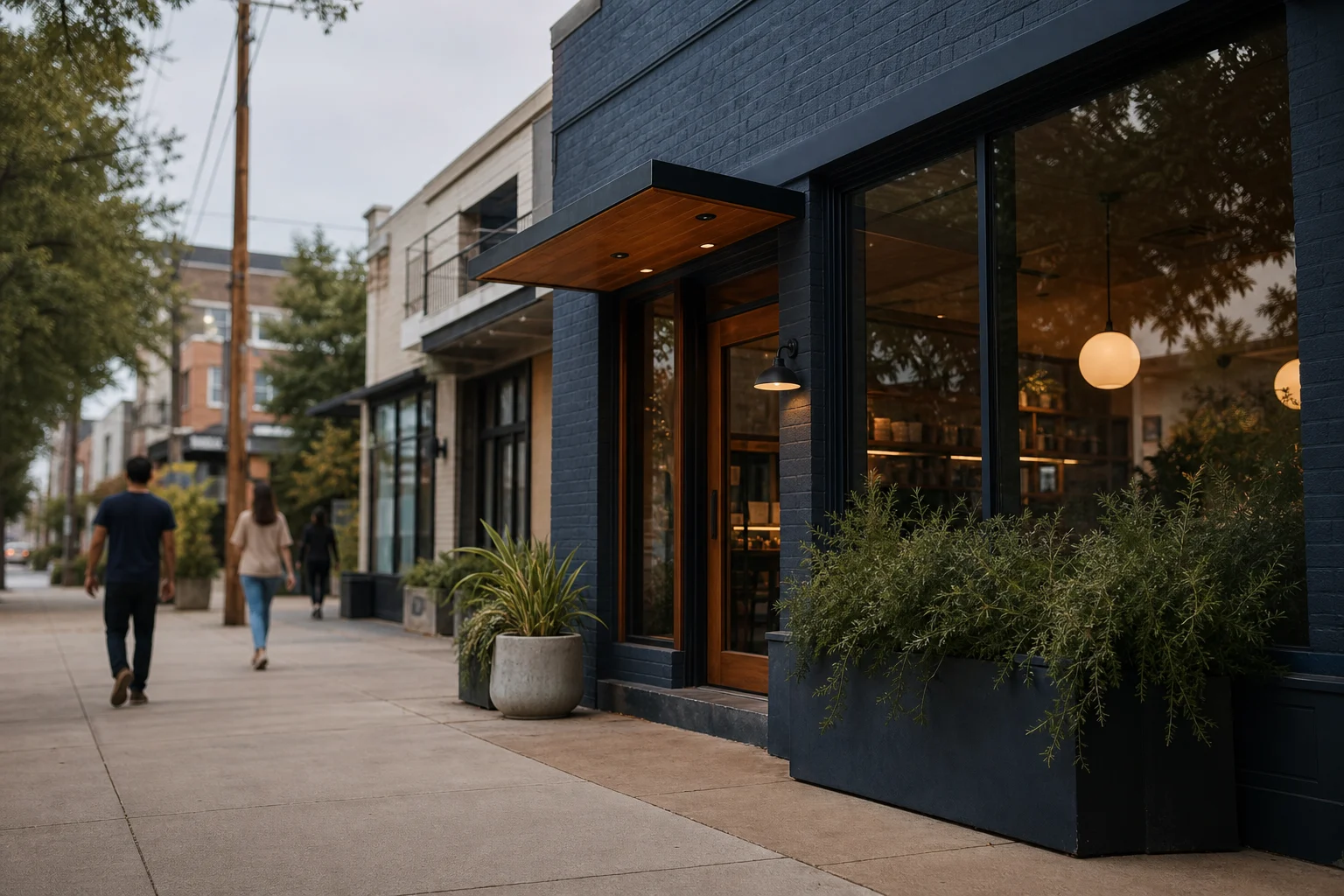
Equipment categories by launch format
Your coffee shop format determines the equipment categories you'll need. Quick-service coffee shops focus on efficiency and speed, requiring espresso machines, grinders, and POS systems. Full-service cafés need additional equipment like seating, tables, and display cases for pastries. Specialty coffee shops prioritize high-end equipment for precise brewing methods.
The equipment categories include:
- Brewing equipment (espresso machines, pour-over stations, batch brewers)
- Grinding equipment (commercial coffee grinders)
- Beverage preparation (blenders, mixers, syrup pumps)
- Point of sale systems
- Storage and refrigeration
- Furniture and seating
- Service ware (cups, lids, straws, napkins)
Buildout assumptions that change the budget
Buildout requirements significantly impact your coffee shop equipment costs in Los Angeles. The condition of your space determines whether you need full buildout or can work with existing infrastructure. Plumbing requirements for espresso machines and sinks, electrical capacity for multiple brewing stations, and ventilation for coffee roasting all affect your budget.
Different neighborhoods have different buildout requirements. Downtown LA (DTLA) (8.1/10) offers maxed-out office density, city-leading walkability, and strong transit connections via 7th Street/Metro Center and Union Station. Expect roughly $30-50/sqft NNN rent. Burbank (7.5/10) has a media-studio workforce (Disney, Warner Bros.) driving a strong daytime office population, with good transit via Downtown Burbank station. Rent is similar at $30-50/sqft NNN. Culver City (7.4/10) features a downtown core near the Expo Line station with strong walkability, a dense office cluster (Sony, Apple TV+, Amazon Studios), and an affluent residential base, but at a higher rent of $45-70/sqft NNN.
New vs used equipment tradeoffs
Choosing between new and used equipment affects your coffee shop equipment costs in Los Angeles. New equipment offers warranties, energy efficiency, and the latest features, but comes with a higher upfront cost. Used equipment reduces initial investment but may require more maintenance and lack warranty coverage.
The market temperature in Los Angeles is promising with medium competition density and low rent levels. This environment allows for flexibility in equipment decisions. New equipment might be preferable for specialty coffee shops where precision and consistency are critical, while used equipment could work for budget-conscious quick-service operations.
What to inspect in a second-generation space
When considering a second-generation space for your coffee shop, thorough inspection of existing infrastructure can reduce equipment costs. Check the condition of plumbing, electrical systems, ventilation, and flooring. Existing equipment might be usable, saving you significant investment.
Locavisor neighborhood scoring shows Downtown LA (DTLA) as the highest-ranked area with a score of 8.1/10 and 78% score confidence. Burbank follows at 7.5/10, and Culver City at 7.4/10. When inspecting spaces in these areas, verify that existing infrastructure meets your operational needs before committing to additional buildout costs.
FAQ
What equipment do I need for A Coffee Shop in Los Angeles?
Your coffee shop equipment needs depend on your format and service style. Essential equipment includes brewing systems (espresso machines, batch brewers), grinders, refrigeration, POS systems, and service ware. Full-service cafés require additional seating and display furniture, while specialty coffee shops need high-end precision equipment. Consider your target market and service model when selecting equipment categories.
How does location affect coffee shop equipment costs in Los Angeles?
Location impacts equipment costs through rent levels and buildout requirements. Downtown LA offers lower rent ($30-50/sqft NNN) but may require significant buildout. Burbank has similar rent levels with a media-focused clientele. Culver City commands higher rent ($45-70/sqft NNN) but serves an affluent residential base. Each location's market temperature and competition density should inform your equipment investment strategy.
Should I buy new or used equipment for my Los Angeles coffee shop?
The decision between new and used equipment depends on your budget, operational needs, and business model. New equipment offers reliability and warranty coverage but requires higher upfront investment. Used equipment reduces initial costs but may incur more maintenance expenses. Consider your coffee shop's positioning and long-term goals when making this decision.
What should I look for when inspecting a second-generation coffee shop space?
When inspecting a second-generation space, evaluate existing plumbing for espresso machines and sinks, electrical capacity for multiple brewing stations, ventilation systems, and flooring condition. Check if any existing equipment can be repurposed. Consider how the space's layout aligns with your service model and customer flow. Verify that the space meets health department requirements for your planned operations.
How does the market temperature affect coffee shop equipment planning in Los Angeles?
Los Angeles' promising market temperature with medium competition density and low rent levels creates favorable conditions for coffee shop startups. This environment allows for strategic equipment investments based on your unique value proposition. The market conditions support both quick-service and specialty coffee formats, enabling equipment decisions that align with your business model rather than market constraints.
Last reviewed: 2026-05-07
Sources: U.S. Census Bureau ACS, LEHD LODES, Google Places, OpenStreetMap, Locavisor neighborhood scoring.
Methodology: Locavisor scores neighborhoods across demand, competition fit, rent fit, accessibility, and customer match. Scores reflect a snapshot of recent data and should be combined with on-the-ground research before lease decisions.
Disclaimer: This article provides informational content only and does not constitute legal, financial, accounting, or real-estate advice. Verify lease terms, licensing, local regulations, costs, and professional requirements with qualified local professionals before making business decisions.
Free preview shows top 3 neighborhoods. Full $9.99 report covers all 10 areas with personalized scoring + 90-day check-ins.
Informational only. Verify lease, licensing, local regulations, costs, and professional requirements with qualified local professionals.