Miami, FL · coffee shop
Coffee shop equipment costs Miami
Planning a coffee shop in Miami requires careful consideration of equipment costs and buildout requirements. Coffee shop equipment costs Miami vary significantly based on location, format, and quality standards. The Miami market presents unique opportunities and challenges for coffee entrepreneurs, with distinct neighborhood characteristics that impact equipment decisions and overall budget planning.
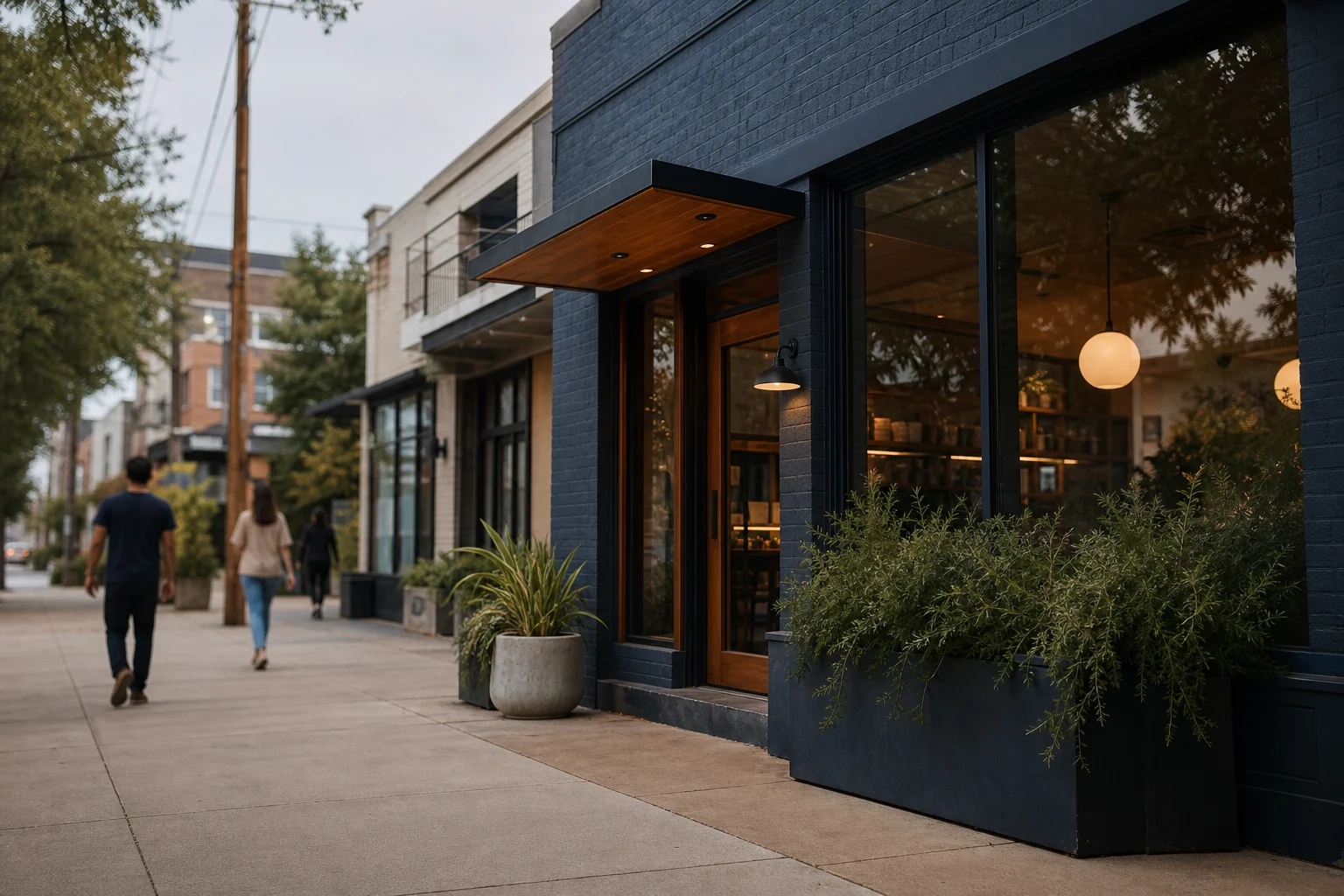
Equipment Categories by Launch Format
Your coffee shop format directly determines equipment needs and associated costs. Miami's mixed market temperature and medium-high rent levels make format selection particularly important for controlling initial investment.
Quick-service coffee shops require minimal equipment but maximize throughput. Expect espresso machines, grinders, basic POS systems, and refrigeration. These operations thrive in high-traffic areas like MiMo / Upper Eastside where office workers need efficient service. The area's strong walkability and solid office-worker density support this format, though specialty coffee opportunities exist given the thin current coffee scene.
Full-service coffee shops need more substantial equipment investments. Beyond espresso systems, consider batch brewers, drip coffee stations, complete food preparation areas, and expanded refrigeration. Kendall / Pinecrest's city-leading office density and transit access via Metrorail make this format viable despite the top-tier rent proxy that maxes out at roughly $90-140/sqft NNN.
Specialty coffee shops demand premium equipment. High-end espresso machines, precision grinders, temperature-controlled water systems, and specialized brewing equipment become necessary. Hialeah's moderate rents—roughly $45-70/sqft NNN—provide breathing room for these higher equipment investments, though the area's thin coffee scene (just 5 operators within 800m) suggests a need for differentiation.
Buildout Assumptions That Change the Budget
Buildout requirements significantly impact your coffee shop budget in Miami. The city's medium-high rent levels make efficient space utilization critical, while neighborhood characteristics influence necessary infrastructure.
New construction offers maximum flexibility but comes with higher costs and longer timelines. In MiMo / Upper Eastside, where the Biscayne Blvd corridor already supports a lively F&B scene with Blue Collar, Moshi Moshi, and Ceviches By Divino within a block, new buildout allows for optimized workflows but requires substantial investment in plumbing, electrical, and ventilation systems.
Second-generation spaces reduce buildout costs but require careful evaluation. In Kendall / Pinecrest, where rent pressures are highest, utilizing existing infrastructure can provide significant savings. However, the substantial daytime worker pool—roughly 10,500 weekday workers within 800m—justifies investment in creating an efficient, customer-friendly layout despite the premium rent.
Shell spaces offer middle-ground options. These require complete outfitting but often have more favorable lease terms. In Hialeah, with its dense, residential-anchored character and strong Cuban-American cultural-business density, shell spaces allow for customized buildouts that reflect local preferences while maintaining moderate rent levels.
New vs Used Equipment Tradeoffs
Equipment sourcing decisions impact both initial investment and long-term operational costs. Miami's market conditions create specific considerations for new versus used equipment purchases.
New equipment provides reliability, warranty protection, and energy efficiency. In Kendall / Pinecrest, where operational efficiency is crucial due to high rent levels, new equipment's reliability minimizes costly downtime. The area's substantial daytime worker pool demands consistent service that new equipment can provide.
Used equipment offers significant cost savings but carries higher maintenance risks. In Hialeah's moderate rent environment, used equipment can provide substantial upfront savings. However, the area's existing coffee operators—small cafecito spots like CAFECITO MADRID (4.7★, 24 reviews) and Capuchino Bakery Café (4.3★, 26 reviews)—suggest that equipment reliability is particularly important for establishing credibility in this market.
Lease-to-own options provide middle-ground solutions. These arrangements spread equipment costs over time while maintaining access to newer technology. In MiMo / Upper Eastside, where specialty coffee opportunities exist but the rent tier requires medium-budget operators to be strategic, lease-to-own options can provide quality equipment without prohibitive upfront costs.
What to Inspect in a Second-Generation Space
Evaluating existing coffee shop spaces requires systematic inspection of equipment, infrastructure, and layout. Miami's competitive density and market conditions make thorough due diligence essential.
Equipment inspection should focus on functionality and remaining useful life. In Kendall / Pinecrest's high-rent environment, verifying that existing equipment can meet operational demands without immediate replacement is crucial. The area's substantial daytime worker pool requires reliable equipment that can handle peak volumes.
Infrastructure assessment includes plumbing, electrical, and ventilation systems. In MiMo / Upper Eastside, where the Biscayne Blvd corridor already supports a lively F&B scene, ensuring that existing infrastructure meets your specific needs prevents costly surprises. The area's strong walkability and solid office-worker density make operational efficiency particularly important.
Layout evaluation should consider workflow optimization and customer experience. In Hialeah's dense, residential-anchored environment, creating an efficient layout that maximizes both production capacity and customer comfort can provide competitive advantage. The area's strong Cuban-American cultural-business density suggests that layout should accommodate both quick service and longer customer stays.
FAQ
What equipment do I need for A Coffee Shop in Miami?
Essential coffee shop equipment in Miami includes espresso machines, grinders, brewers, POS systems, refrigeration, and serving equipment. The specific requirements depend on your format: quick-service operations need efficient throughput systems, while full-service establishments require more comprehensive equipment for food preparation and expanded menu options. Miami's market conditions, particularly neighborhood characteristics like those in MiMo / Upper Eastside, Kendall / Pinecrest, and Hialeah, should influence your equipment decisions.
How does Miami's rent level affect equipment budgeting?
Miami's medium-high rent levels significantly impact equipment budgeting. Higher rents necessitate more efficient operations that maximize revenue per square foot. In areas like Kendall / Pinecrest where rent proxies max out at roughly $90-140/sqft NNN, equipment choices must prioritize reliability and efficiency to minimize downtime. Conversely, Hialeah's moderate rents—roughly $45-70/sqft NNN—provide more flexibility for equipment investments.
What equipment considerations are specific to Miami's coffee market?
Miami's coffee market requires equipment that can handle diverse preferences. The city's strong Cuban-American cultural-business density, particularly in areas like Hialeah, necessitates equipment capable of preparing both traditional espresso drinks and Cuban-style coffee. Additionally, Miami's climate considerations may require specialized refrigeration and cooling systems for equipment storage.
How does neighborhood selection impact equipment needs?
Neighborhood selection directly impacts equipment needs through customer demographics and operational requirements. In Kendall / Pinecrest's city-leading office density and transit access via Metrorail, equipment should prioritize efficiency to handle substantial weekday worker pools. In contrast, MiMo / Upper Eastside's strong walkability and solid office-worker density support equipment choices that balance speed with quality for a diverse customer base.
What equipment maintenance considerations are unique to Miami's climate?
Miami's climate presents specific equipment maintenance challenges. High humidity levels can affect electronic components and require more frequent maintenance of espresso machines and grinders. The salt air in coastal areas may accelerate corrosion of metal equipment components. Regular maintenance schedules should account for these environmental factors to ensure equipment longevity and consistent performance.
Last reviewed: 2026-05-08
Sources: U.S. Census Bureau ACS, LEHD LODES, Google Places, OpenStreetMap, Locavisor neighborhood scoring.
Methodology: Locavisor scores neighborhoods across demand, competition fit, rent fit, accessibility, and customer match. Scores reflect a snapshot of recent data and should be combined with on-the-ground research before lease decisions.
Disclaimer: This article provides informational content only and does not constitute legal, financial, accounting, or real-estate advice. Verify lease terms, licensing, local regulations, costs, and professional requirements with qualified local professionals before making business decisions.
Free preview shows top 3 neighborhoods. Full $9.99 report covers all 10 areas with personalized scoring + 90-day check-ins.
Informational only. Verify lease, licensing, local regulations, costs, and professional requirements with qualified local professionals.