Minneapolis, MN · coffee shop
Coffee shop equipment costs Minneapolis
Planning a coffee shop in Minneapolis requires careful consideration of equipment costs and buildout planning. The coffee shop equipment costs Minneapolis market presents unique challenges and opportunities depending on your chosen location. Minneapolis offers several promising neighborhoods for coffee entrepreneurs, each with distinct characteristics that impact equipment and buildout decisions.
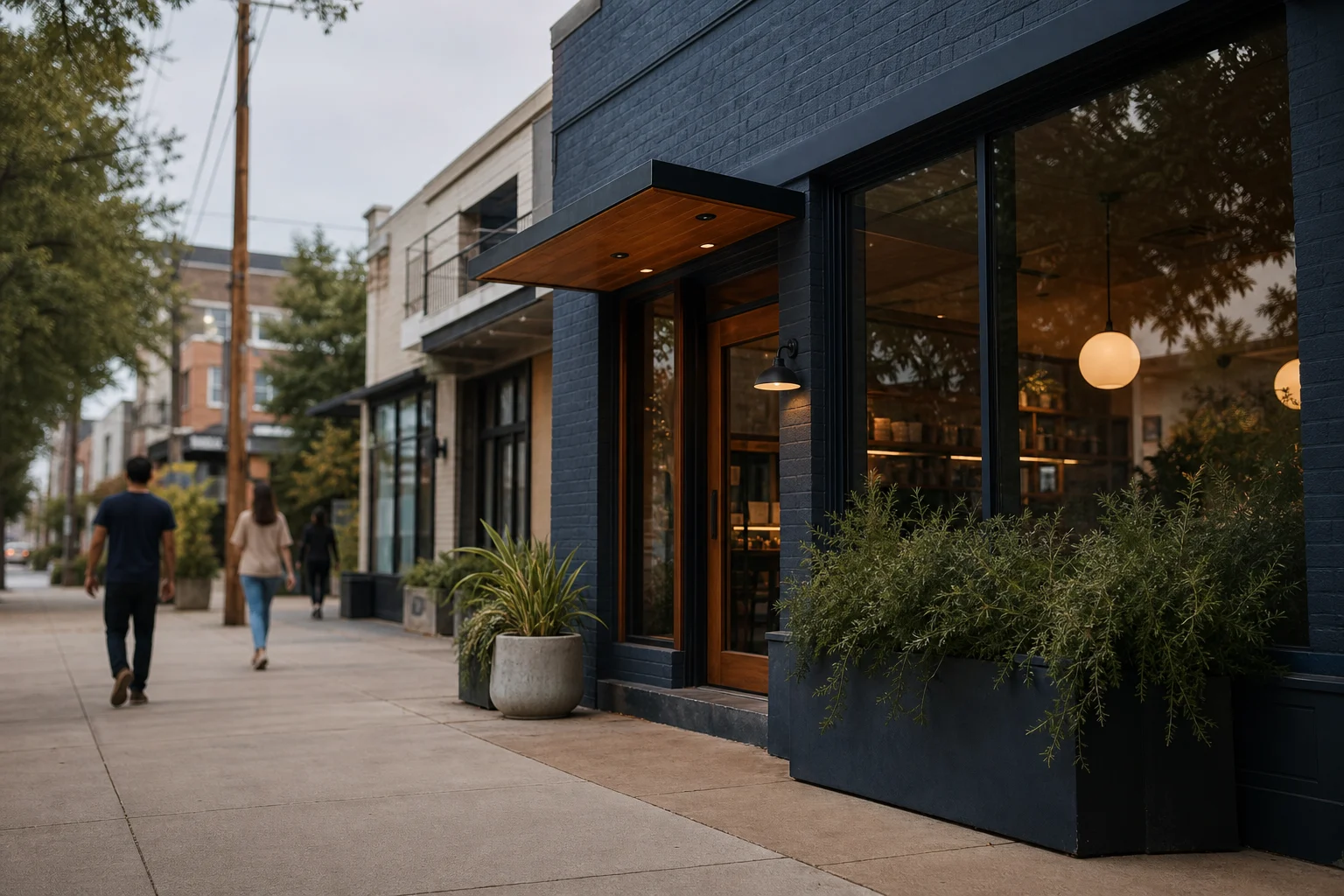
Equipment categories by launch format
Coffee shop equipment needs vary significantly based on your business format. Quick-service coffee shops require different equipment than full-service cafes or specialty coffee houses. Minneapolis entrepreneurs must consider their specific format when planning equipment purchases.
Essential equipment categories include brewing systems, grinders, espresso machines, refrigeration units, POS systems, furniture, and serving ware. Each category offers multiple options with different price points and capabilities. Your chosen format determines which equipment categories receive priority in your budget.
Brewing systems range from simple pour-over stations to complex multi-batch brewers. Espresso machines vary from compact semi-automatic models to commercial-grade super-automatic units. Grinders impact coffee quality and consistency, making them a critical investment regardless of format.
Refrigeration needs depend on your menu complexity. Simple coffee shops may require only basic refrigeration, while full-service cafes need reach-in units, prep tables, and potentially walk-in coolers. POS systems must handle your specific order volume and menu complexity.
Furniture impacts customer experience and space utilization. Minneapolis coffee shops must balance comfort with efficient space usage. Consider both indoor and outdoor seating options based on your location and target market.
Buildout assumptions that change the budget
Buildout requirements significantly impact coffee shop budgets in Minneapolis. The Top 3 areas offer different rent levels that affect buildout decisions:
St. Anthony Main (7.4/10) carries premium rent that strains a medium-budget operator. Rent runs roughly $65-95/sqft NNN, which means a 1,000 sqft footprint runs ~$5.5-8K/month base before any buildout. This high rent level impacts buildout budgets, often requiring more efficient space utilization and potentially less expensive finishes.
Lowry Hill (7.2/10) offers the best rent value of any top-ranked area — roughly $20-35/sqft NNN — while sitting adjacent to the Walker Art Center and Minneapolis Sculpture Garden. The lower rent provides more flexibility for buildout quality and customization.
Cedar-Riverside (7.2/10) has moderate rent at roughly $45-70/sqft NNN. The area's high competition density — 11 coffee/cafe competitors within 800m, including Hard Times Cafe (4.5★, 1,490 reviews), Rebecca's Bakery & Cafe (4.8★, 528 reviews), and Cafe Jote (4.9★, 41 reviews) — means buildout must differentiate your space while managing costs effectively.
Buildout assumptions include plumbing requirements, electrical capacity, ventilation systems, flooring, wall treatments, lighting, and signage. Each element impacts your budget differently. Minneapolis building codes and health department requirements influence these buildout elements.
Plumbing requirements for coffee shops include dedicated lines for espresso machines, three-compartment sinks, and potentially grease traps. Electrical capacity must support multiple high-amperage appliances simultaneously. Ventilation systems handle coffee roasting, steam, and cooking fumes.
Flooring choices balance durability with aesthetics. Wall treatments impact ambiance and maintenance requirements. Lighting affects both atmosphere and energy efficiency. Signage must comply with local regulations while effectively communicating your brand.
New vs used equipment tradeoffs
New equipment offers reliability, warranty coverage, and energy efficiency but comes with higher upfront costs. Used equipment reduces initial investment but may require more maintenance and lack warranty protection.
Minneapolis coffee shop operators must weigh these tradeoffs based on their budget constraints and risk tolerance. New equipment typically provides better energy efficiency, reducing long-term operating costs. Used equipment may offer significant savings but often requires more frequent repairs.
Equipment depreciation represents another consideration. New equipment depreciates faster than used equipment, affecting long-term financial planning. However, new equipment may have a longer useful life, spreading the cost over more years.
Maintenance requirements differ between new and used equipment. New equipment typically comes with manufacturer support and warranty coverage. Used equipment may require immediate maintenance and lack readily available replacement parts.
Equipment availability also varies. New equipment may have longer lead times, potentially delaying your opening. Used equipment can be acquired more quickly but may require additional time for refurbishment and customization.
What to inspect in a second-generation space
Second-generation spaces offer potential cost savings on buildout but require thorough inspection. Minneapolis coffee shop entrepreneurs should evaluate existing infrastructure before committing to a lease.
Plumbing infrastructure must support coffee shop operations. Check water pressure, drainage capacity, and existing plumbing connections. Verify that plumbing meets current health department requirements.
Electrical systems must handle your equipment load. Assess circuit capacity, voltage requirements, and the need for additional circuits. Consider potential electrical upgrades and associated costs.
Ventilation systems impact air quality and customer comfort. Evaluate existing hood systems, exhaust capacity, and compliance with local regulations. Determine if modifications or upgrades are necessary.
Flooring condition affects both aesthetics and functionality. Check for damage, wear, and appropriate materials for a food service environment. Consider refinishing options if needed.
Wall and ceiling condition impacts renovation costs. Look for water damage, structural issues, and insulation quality. Determine if repairs or modifications are required.
Storage space availability affects operational efficiency. Evaluate existing storage areas and determine if additional storage solutions are needed. Consider both dry storage and refrigeration requirements.
Accessibility and compliance with ADA standards are essential. Evaluate entry points, restroom facilities, and overall accessibility. Determine if modifications are needed to meet accessibility requirements.
FAQ
What equipment do I need for A Coffee Shop in Minneapolis?
Essential equipment for a Minneapolis coffee shop includes brewing systems, grinders, espresso machines, refrigeration units, POS systems, furniture, and serving ware. The specific equipment needed depends on your business format and menu offerings.
Brewing systems form the foundation of your coffee operation. Options include pour-over stations, batch brewers, and specialty brewing equipment. Consider your volume requirements and coffee quality standards when selecting brewing equipment.
Grinders impact coffee freshness and consistency. Burr grinders provide more uniform particle sizes than blade grinders. Consider both capacity and grind adjustment options when selecting grinders.
Espresso machines vary significantly in price and capability. Semi-automatic machines offer more control but require skilled operators. Automatic machines provide consistency with less operator intervention. Super-automatic machines handle grinding, tamping, and brewing automatically.
Refrigeration needs depend on your menu complexity. Basic setups may include under-counter refrigerators, while full-service cafes require reach-in units, prep tables, and potentially walk-in coolers. Consider both capacity and energy efficiency when selecting refrigeration equipment.
POS systems must handle your specific order volume and menu complexity. Cloud-based systems offer flexibility and remote access. Consider integration capabilities with payment processors, inventory management, and customer loyalty programs.
Furniture impacts customer experience and space utilization. Consider seating capacity, comfort, durability, and ease of cleaning. Balance indoor and outdoor seating options based on your location and target market.
Serving ware affects both customer experience and operational efficiency. Consider durability, heat retention, and brand alignment when selecting serving ware. Eco-friendly options may appeal to environmentally conscious Minneapolis consumers.
Additional equipment may include water filtration systems, scales, timers, storage solutions, and cleaning supplies. Each element contributes to operational efficiency and customer satisfaction.
Remember that equipment needs vary based on your specific business model and target market. Consider conducting thorough research and consulting with industry professionals before making equipment purchases for your Minneapolis coffee shop.
Last reviewed: 2026-05-08
Sources: U.S. Census Bureau ACS, LEHD LODES, Google Places, OpenStreetMap, Locavisor neighborhood scoring.
Methodology: Locavisor scores neighborhoods across demand, competition fit, rent fit, accessibility, and customer match. Scores reflect a snapshot of recent data and should be combined with on-the-ground research before lease decisions.
Disclaimer: This article provides informational content only and does not constitute legal, financial, accounting, or real-estate advice. Verify lease terms, licensing, local regulations, costs, and professional requirements with qualified local professionals before making business decisions.
Free preview shows top 3 neighborhoods. Full $9.99 report covers all 10 areas with personalized scoring + 90-day check-ins.
Informational only. Verify lease, licensing, local regulations, costs, and professional requirements with qualified local professionals.