New Orleans, LA · coffee shop
Coffee shop equipment costs New Orleans
What equipment do you need to open a coffee shop in New Orleans?
The core equipment list for a New Orleans coffee shop hinges on three factors: menu complexity, space constraints, and local customer expectations. At a minimum, you'll need:
- An espresso machine (or pour-over setup for lighter footprints)
- A commercial grinder (for consistent grind size)
- A POS system (to handle transactions and track sales)
- Refrigeration (for milk, syrups, and prepared foods)
- A water filtration system (critical for New Orleans' water quality)
- A dishwasher (to meet health codes)
- Storage solutions (shelving, cabinets, and dry storage)
Local operators like Cafe Beignet (Tulane/Loyola Area) and Streetcar Cafe (Tulane/Loyola Area) prioritize reliability over novelty-opting for durable, easy-to-maintain equipment that can handle peak tourist and student traffic. For example, Cafe Beignet's multiple locations use commercial-grade espresso machines to keep up with morning rushes near Tulane University.
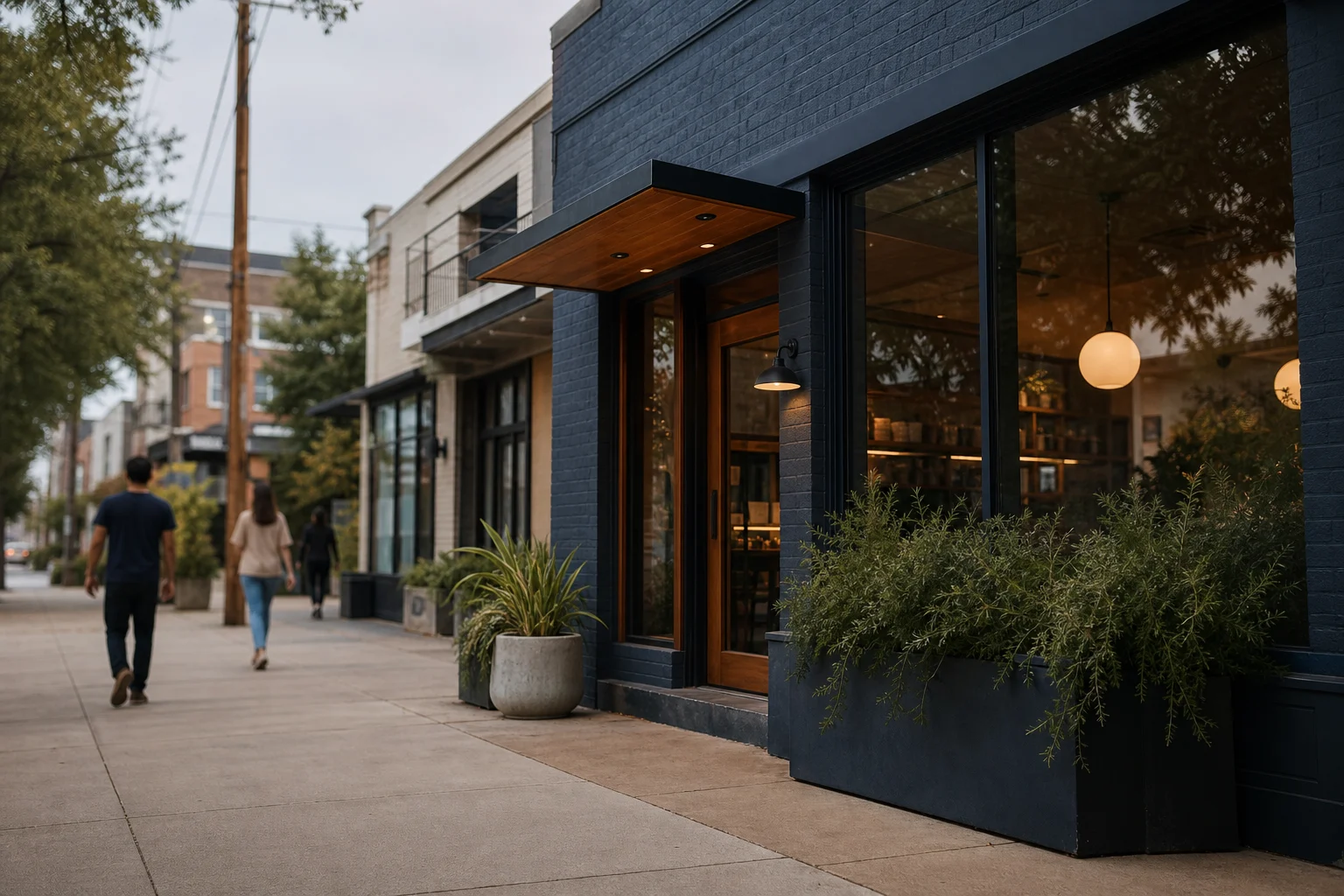
Buildout cost categories
Buildout costs in New Orleans vary by neighborhood, but the top five areas (Tulane/Loyola Area, CBD/Warehouse District, French Quarter, Magazine Street, Lakeview) all share a rent band of $12-$32/sqft/yr NNN. This range influences how much you can allocate to equipment versus structural upgrades. Below are key buildout categories to validate:
Plumbing and electrical
New Orleans' older buildings often require upgrades to meet commercial plumbing and electrical codes. For instance, the French Quarter's historic structures may need new water lines or upgraded electrical panels to support espresso machines and refrigeration. The Tulane/Loyola Area, with its mix of office and student housing, sees higher demand for efficient plumbing to avoid downtime during busy hours.
HVAC and ventilation
Coffee shops generate heat and steam, so proper ventilation is non-negotiable. The CBD/Warehouse District, with its dense office and transit hubs (like Amtrak Station New Orleans), demands robust HVAC systems to keep both staff and customers comfortable. Operators like Two Chicks Café (Tulane/Loyola Area) invest in high-capacity ventilation to manage the heat from multiple espresso machines.
Flooring and finishes
Durable flooring is a must in high-traffic areas like the French Quarter, where foot traffic from Canal Place mall and French Market Station can wear down cheaper materials. The Magazine Street neighborhood, with its mix of retail and residential, sees a preference for slip-resistant, easy-to-clean finishes that withstand both customers and local humidity.
Permits-driven items
Permits for plumbing, electrical, and food service (handled by the Louisiana Department of Health) add hidden costs. The Lakeview area, with its community-focused vibe, requires compliance with local health codes-something Backatown Coffee Parlour (Tulane/Loyola Area) navigates by working with licensed contractors.
Furniture and signage
Signage in the French Quarter must adhere to historic district guidelines, while the Tulane/Loyola Area benefits from visible signage near transit hubs like Tulane @ Loyola. Furniture choices, like the cozy seating at Lux Cafe (Tulane/Loyola Area), balance comfort with space efficiency to maximize turnover.
Equipment line items to validate in New Orleans
Beyond basics, validate these line items against local needs:
- Espresso machine type: Single-group vs. multi-group machines depend on expected volume. Cafe Beignet uses multi-group machines to handle tourist crowds, while smaller spots like Espresso Coffee & Pastry Co. (Tulane/Loyola Area) opt for single-group setups.
- Grinder capacity: Tourist-heavy areas (French Quarter, Tulane/Loyola) need larger grinders to avoid constant refills.
- Refrigeration size: The CBD/Warehouse District's office workers drive demand for cold brew and iced coffee, requiring larger refrigeration units.
- POS system features: Integration with local payment methods (e.g., contactless for tourists) is key, as seen in Starbucks Coffee Company (Tulane/Loyola Area) locations.
| Equipment Type | Key Validation for New Orleans | Example Local Operator |
|---|---|---|
| Espresso Machine | Volume capacity for tourist/student traffic | Cafe Beignet (Tulane/Loyola) |
| Commercial Grinder | Consistency for pour-over vs. espresso | Streetcar Cafe (Tulane/Loyola) |
| POS System | Integration with local payment trends | Starbucks (Tulane/Loyola) |
| Refrigeration | Size for cold brew/iced coffee demand | Two Chicks Café (Tulane/Loyola) |
How established operators in New Orleans configure their kitchens
Verified local coffee shops offer clues about efficient kitchen layouts:
- Cafe Beignet (Tulane/Loyola): Groups espresso machines near the order counter to reduce staff movement, with grinders and storage within arm's reach.
- Streetcar Cafe (Tulane/Loyola): Uses a compact layout with a single-group machine and minimal counter space to maximize seating.
- French Truck Coffee (Tulane/Loyola): Prioritizes pour-over setups to highlight single-origin beans, with grinders and water stations in a visible, customer-facing area.
These setups reflect New Orleans' mix of tourist and local demand-balancing speed (for tourists) with quality (for regulars).
Used vs. new vs. lease
- Used equipment: Cost-effective but risky. Older machines may lack warranty support, a concern in humid climates like New Orleans.
- New equipment: Higher upfront cost but better reliability. French Truck Coffee's new grinders ensure consistent grind size, critical for their brand.
- Leased equipment: Lowers initial outlay but increases long-term costs. The CBD/Warehouse District's transient office workers make leasing attractive for businesses testing demand.
Buildout timeline
Buildout timelines in New Orleans depend on neighborhood permitting speed. The French Quarter's historic district reviews can add a variable local timeline, while the Tulane/Loyola Area (with more modern buildings) may move faster. Factor in contractor availability-peak construction seasons (spring/summer) can delay starts.
Common buildout overruns
- Permit delays: Historic district reviews (French Quarter) or unexpected code violations.
- Utility upgrades: Older buildings in the French Quarter may need electrical panel upgrades.
- Material shortages: Post-storm supply chain issues (common in New Orleans) can delay flooring or signage.
| Neighborhood | Locavisor score | Rent band | Local operator signal | Founder validation check |
|---|---|---|---|---|
| Tulane / Loyola Area | 5.1/10 | $12-$32/sqft/yr NNN | Cafe Beignet, Royal Street, Streetcar Cafe | Check utility capacity, ventilation, plumbing, storage, and fixture layout. |
| CBD / Warehouse District | 5.0/10 | $12-$32/sqft/yr NNN | Streetcar Cafe, Lux Cafe | Best Southern Cuisine | Check utility capacity, ventilation, plumbing, storage, and fixture layout. |
| French Quarter | 4.9/10 | $12-$32/sqft/yr NNN | Cafe Du Monde, Cafe Beignet, Royal Street | Check utility capacity, ventilation, plumbing, storage, and fixture layout. |
| Magazine Street | 4.7/10 | $12-$32/sqft/yr NNN | Café Du Monde Riverwalk, Cafe Beignet, Royal Street | Check utility capacity, ventilation, plumbing, storage, and fixture layout. |
| Lakeview | 4.7/10 | $12-$32/sqft/yr NNN | Evolve Coffee + Matcha, Starbucks Coffee Company | Check utility capacity, ventilation, plumbing, storage, and fixture layout. |
FAQ
Q: What equipment do I need to open a coffee shop in New Orleans?
A: Core equipment includes an espresso machine, commercial grinder, POS system, refrigeration, water filtration, dishwasher, and storage. Validate size based on neighborhood traffic (e.g., multi-group machines for tourist-heavy areas like the French Quarter).
Q: How do New Orleans rent bands affect equipment choices?
A: Rent bands ($12-$32/sqft/yr NNN) limit upfront spend. High-rent areas like the French Quarter may require leasing equipment to preserve capital, while lower-rent areas (Lakeview) allow purchasing new gear.
Q: Which neighborhoods have the highest equipment demand?
A: Tulane/Loyola Area (student/tourist traffic) and French Quarter (tourist density) see the most demand for high-volume equipment. CBD/Warehouse District (office workers) prioritizes cold brew and iced coffee setups.
Last reviewed: 2026-05-30
Sources: U.S. Census Bureau ACS, LEHD LODES, Google Places, OpenStreetMap, Locavisor neighborhood scoring.
Methodology: Locavisor scores neighborhoods across demand, competition fit, rent fit, accessibility, and customer match. Scores reflect a snapshot of recent data and should be combined with on-the-ground research before lease decisions.
Disclaimer: This article provides informational content only and does not constitute legal, financial, accounting, or real-estate advice. Verify lease terms, licensing, local regulations, costs, and professional requirements with qualified local professionals before making business decisions.
Free preview shows top 3 neighborhoods. Full $9.99 report covers all 10 areas with personalized scoring + 90-day check-ins.
Informational only. Verify lease, licensing, local regulations, costs, and professional requirements with qualified local professionals.