New York, NY · coffee shop
Coffee shop equipment costs New York
Planning a coffee shop in New York requires careful consideration of equipment and buildout costs. The city's competitive market and high rent levels make strategic equipment planning essential for success. Coffee shop equipment costs New York vary significantly based on neighborhood, format, and buildout requirements.
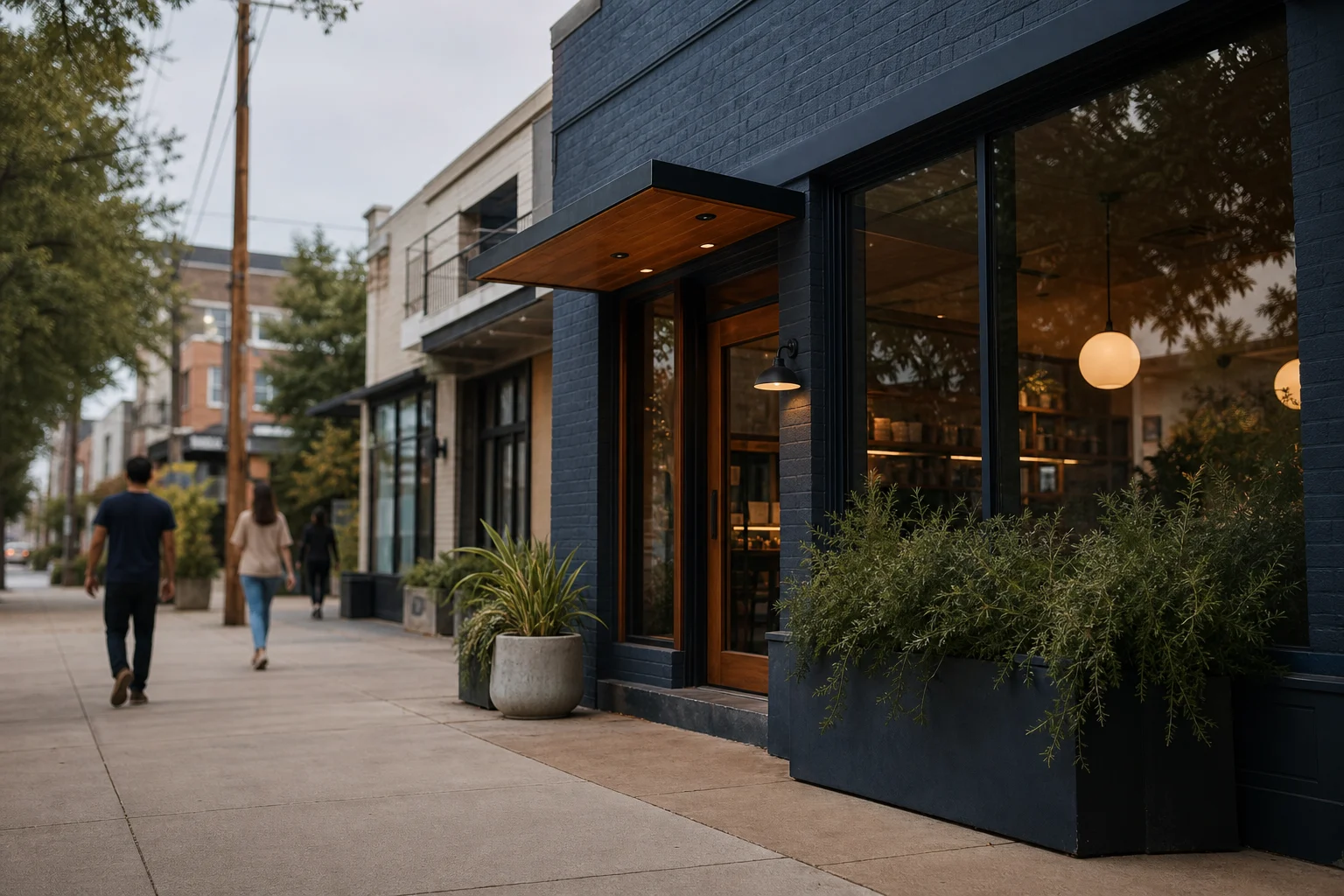
Equipment Categories by Launch Format
Coffee shop equipment needs differ based on your business format. An espresso-focused shop requires different equipment than a café serving primarily drip coffee and pastries. In New York's high-rent environment, space efficiency is critical. Your equipment choices must balance functionality with the constraints of your leased space.
Espresso shops need commercial-grade espresso machines, grinders, and related accessories. These represent significant investments but are essential for quality. The Murray Hill area, with its 10,500 weekday lunch workers within 800m, supports high-volume espresso operations. Chelsea's cultural anchors like Chelsea Market and High Line attract customers willing to pay premium prices for specialty coffee.
Drip coffee shops require fewer specialized pieces but need high-volume brewers and thermal dispensers. Koreatown's 24/7 energy and proximity to Penn Station and Herald Square make it suitable for round-the-clock operations with simpler equipment setups. The area's maxed-out transit score ensures steady foot traffic throughout the day.
Food service operations need additional equipment like refrigeration, prep stations, and cooking appliances. All three neighborhoods—Murray Hill, Chelsea, and Koreatown—command high rent levels ($90-140/sqft NNN), making space efficiency crucial. Your equipment selection must maximize functionality within your square footage.
Buildout Assumptions That Change the Budget
New York's buildout requirements significantly impact your budget. The city's strict building codes and health department regulations mandate specific installations and materials. These requirements vary by neighborhood and building type, affecting your initial investment.
Murray Hill's high rent level ($90-140/sqft NNN) means buildout costs must be carefully calculated against long-term lease commitments. The area's medium-budget operators will feel lease pressure immediately, making efficient buildout planning essential. Your equipment layout must optimize the space to maximize revenue potential while minimizing construction expenses.
Chelsea's dense mix of office workers, residents, and tourists supports premium pricing but requires sophisticated equipment to meet diverse customer expectations. The neighborhood's fierce competition, exemplified by 787 Coffee Co., means your buildout must differentiate your offerings while maintaining operational efficiency.
Koreatown's 24/7 energy requires equipment that can withstand continuous operation. The area's maxed-out office, transit, and tourist scores create opportunities for extended hours but demand robust equipment capable of handling sustained use. Your buildout must accommodate this operational intensity while maintaining cost efficiency.
Market temperature plays a crucial role in buildout planning. New York's mixed market temperature creates uncertainty about future demand. Your equipment choices should balance immediate needs with flexibility to adapt to changing market conditions. This is particularly important in neighborhoods with high rent levels, where operational adjustments may be costly.
New vs Used Equipment Tradeoffs
New equipment offers reliability and warranty protection but comes with higher upfront costs. Used equipment reduces initial investment but carries risks of maintenance issues and shorter lifespans. The tradeoff becomes particularly significant in New York's high-rent environment.
Murray Hill's high rent levels make new equipment's reliability more valuable. The area's 10,500 weekday lunch workers within 800m create consistent demand that justifies the investment in reliable equipment. New machines minimize downtime during peak hours, ensuring consistent service quality.
Chelsea's competitive landscape demands equipment that can handle high volumes efficiently. The neighborhood's 787 Coffee Co. and other established operators set high standards for service speed and quality. New equipment provides the performance edge needed to compete effectively in this demanding market.
Koreatown's 24/7 operational tempo favors equipment that can withstand continuous use. While new equipment offers the best reliability, budget constraints may necessitate strategic used equipment purchases. The key is prioritizing critical components like espresso machines and grinders while considering used options for less essential equipment.
The confidence score of 65% in Locavisor neighborhood scoring suggests that equipment decisions should balance neighborhood-specific insights with broader market knowledge. In areas with high rent levels like all three neighborhoods, equipment reliability becomes even more critical to maintaining profitability despite substantial fixed costs.
What to Inspect in a Second-Generation Space
Evaluating existing spaces requires careful inspection of both the physical structure and existing equipment. In New York's competitive market, second-generation spaces offer cost savings but come with potential hidden issues.
Murray Hill's medium competition density means second-generation spaces may have established customer bases. When inspecting these spaces, evaluate the existing equipment's condition and compatibility with your concept. The area's high rent level makes equipment functionality particularly important, as operational inefficiencies can quickly erode thin margins.
Chelsea's fierce competition requires thorough evaluation of existing equipment's capabilities. The neighborhood's 787 Coffee Co. and other established operators set high standards. Your inspection should identify whether existing equipment meets these standards or requires significant upgrades to compete effectively.
Koreatown's 24/7 energy demands equipment that can handle continuous operation. When inspecting second-generation spaces, pay particular attention to signs of wear on equipment that would have been used extensively. The area's maxed-out transit and tourist scores create opportunities for extended hours, making equipment reliability essential.
Before signing any lease, validate the following:
- Electrical capacity for your planned equipment
- Ventilation requirements for your specific operations
- Plumbing connections for sinks and other utilities
- Health department compliance of existing installations
- Equipment condition and remaining useful life
These validations are particularly important in New York's high-rent environment, where retrofitting costs can quickly escalate. The rent levels of $90-140/sqft NNN across all three neighborhoods mean that buildout mistakes can have significant financial consequences.
FAQ
What equipment do I need for A Coffee Shop in New York?
Essential coffee shop equipment includes espresso machines, grinders, brewers, refrigeration, POS systems, and furniture. The specific requirements depend on your format and location. In New York's high-rent neighborhoods like Murray Hill, Chelsea, and Koreatown, space efficiency is critical. Your equipment selection must balance functionality with the constraints of your leased space.
How does neighborhood choice affect equipment needs?
Different neighborhoods support different coffee shop formats. Murray Hill's 10,500 weekday lunch workers within 800m support high-volume operations requiring robust equipment. Chelsea's cultural attractions and tourist traffic justify premium equipment for specialty offerings. Koreatown's 24/7 energy demands equipment capable of continuous operation. All three neighborhoods' high rent levels make space efficiency a key consideration in equipment selection.
Should I buy new or used equipment for my New York coffee shop?
The decision depends on your budget and operational needs. New equipment offers reliability and warranty protection but comes with higher upfront costs. Used equipment reduces initial investment but carries risks of maintenance issues. In New York's high-rent environment, the reliability of new equipment may justify the higher initial investment, particularly for critical components like espresso machines and grinders.
What should I look for when inspecting existing equipment?
When evaluating second-generation spaces, check equipment condition, maintenance history, and compatibility with your concept. Look for signs of wear, particularly on components that would experience heavy use. Verify that existing equipment meets health department standards and can handle your planned volume. In New York's competitive market, equipment reliability is essential for maintaining consistent service quality.
How does buildout affect my equipment budget?
New York's strict building codes and health department regulations significantly impact buildout costs. These requirements vary by neighborhood and building type, affecting your initial investment. In high-rent areas like Murray Hill, Chelsea, and Koreatown, buildout costs must be carefully calculated against long-term lease commitments. Your equipment layout must optimize the space to maximize revenue potential while minimizing construction expenses.
What equipment maintenance considerations are unique to New York?
New York's high operational tempo demands regular maintenance schedules. The city's mixed market temperature creates uncertainty about future demand, making equipment reliability even more critical. In neighborhoods with high rent levels, equipment downtime can quickly erode thin margins. Regular maintenance is essential to prevent disruptions during peak hours, particularly in areas with consistent foot traffic like Murray Hill's 10,500 weekday lunch workers within 800m.
How can I optimize my equipment layout for small spaces?
In New York's high-rent environment, space efficiency is crucial. Multi-functional equipment reduces the footprint while maintaining functionality. Consider workflow optimization to minimize movement between stations. Vertical storage solutions maximize limited floor space. In neighborhoods with high rent levels like all three top areas, efficient layouts can significantly improve profitability by maximizing revenue per square foot.
Last reviewed: 2026-05-07
Sources: U.S. Census Bureau ACS, LEHD LODES, Google Places, OpenStreetMap, Locavisor neighborhood scoring.
Methodology: Locavisor scores neighborhoods across demand, competition fit, rent fit, accessibility, and customer match. Scores reflect a snapshot of recent data and should be combined with on-the-ground research before lease decisions.
Disclaimer: This article provides informational content only and does not constitute legal, financial, accounting, or real-estate advice. Verify lease terms, licensing, local regulations, costs, and professional requirements with qualified local professionals before making business decisions.
Free preview shows top 3 neighborhoods. Full $9.99 report covers all 10 areas with personalized scoring + 90-day check-ins.
Informational only. Verify lease, licensing, local regulations, costs, and professional requirements with qualified local professionals.