Phoenix, AZ · coffee shop
Coffee shop equipment costs Phoenix
Planning a coffee shop in Phoenix requires careful consideration of equipment costs and buildout requirements. The city offers promising market conditions with medium competition density and low rent levels, making it an attractive location for coffee entrepreneurs. Locavisor neighborhood scoring identifies Tempe / ASU campus as the best fit with a 7.6/10 score, followed by Roosevelt Row at 7.5/10 and Camelback Corridor at 7.3/10.
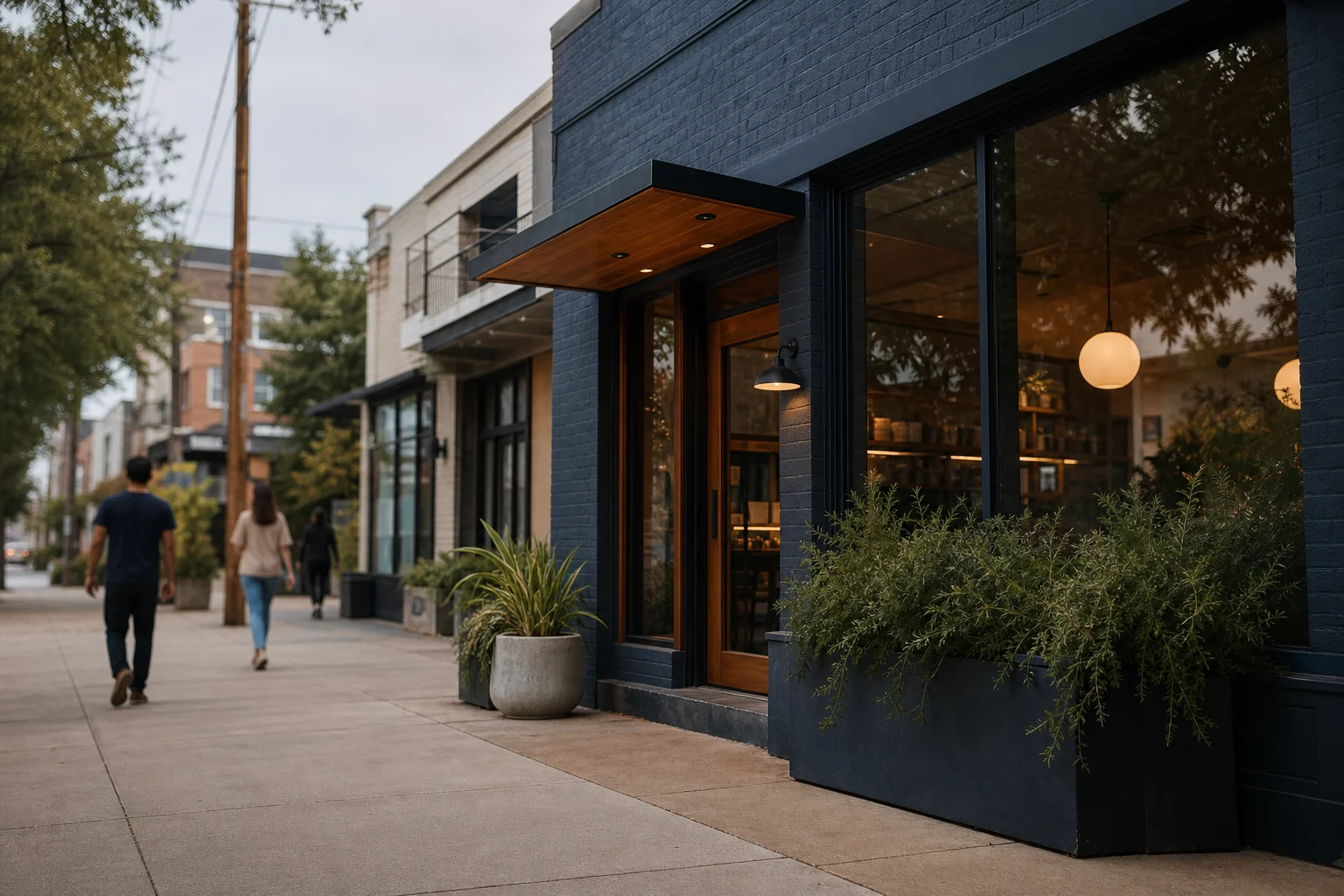
Equipment categories by launch format
Coffee shop equipment costs in Phoenix vary significantly based on your chosen format. The three primary formats—full-service café, kiosk, and drive-thru—require different equipment investments. Full-service cafés need the most comprehensive setup, including espresso machines, grinders, brewers, refrigeration, and serving equipment. Kiosks focus on espresso and basic beverages with minimal counter space. Drive-thru operations prioritize speed and efficiency with specialized ordering systems and streamlined workflows.
Each format presents unique cost pressures in Phoenix's market. The low rent levels across all three top areas (roughly $30-50/sqft NNN) allow for more flexible equipment budgets. However, market temperature and competition density directly impact your equipment decisions. In Tempe / ASU campus, where student density is maxed out and 8 coffee competitors exist within 800m, your equipment must deliver superior quality and speed to stand out. Roosevelt Row's arts-and-culture spine with 10 coffee competitors demands equipment that supports both daytime office workers and evening event traffic. Camelback Corridor's premier office-and-retail spine with only 2 coffee competitors offers more equipment flexibility but requires investment in premium offerings to match the area's upscale clientele.
Buildout assumptions that change the budget
Buildout requirements significantly impact coffee shop equipment costs in Phoenix. The condition of your space determines plumbing, electrical, and ventilation needs. New construction offers clean slate options but requires full buildout. Second-generation spaces may have existing infrastructure that reduces initial costs but might need updates to meet current equipment demands. Phoenix's market temperature and rent levels influence buildout decisions, with low rent allowing for more substantial investments in quality buildout.
The three top Phoenix areas present different buildout considerations. Tempe / ASU campus spaces near Mill Ave at ASU's doorstep likely need robust ventilation systems to handle high-volume daytime and late-night demand. Roosevelt Row's arts district spaces may require more flexible layouts to accommodate varying customer flows during First Friday events. Camelback Corridor's premium retail spaces between 24th St and 44th St might need higher-end finishes to match the area's upscale character, affecting equipment integration costs. Locavisor neighborhood scoring indicates a 78% confidence level in these assessments based on the 2026-05 snapshot.
New vs used equipment tradeoffs
New equipment offers reliability, warranty coverage, and energy efficiency but comes with higher upfront costs. Used equipment reduces initial investment but carries maintenance risks and potentially higher operating costs. Phoenix's market temperature and competition density influence this decision. In areas with strong demand like Tempe / ASU campus, where student density is maxed out, new equipment's reliability might justify the premium. Roosevelt Row's strong daytime office population and event traffic could benefit from used equipment's cost savings for expansion. Camelback Corridor's premium positioning might favor new equipment to maintain quality standards.
Equipment condition varies across Phoenix's top areas. Tempe / ASU campus spaces near student populations may have seen heavy equipment use, making new purchases more attractive. Roosevelt Row's arts district might offer unique used equipment with character that fits the neighborhood vibe. Camelback Corridor's upscale retail spaces typically feature newer equipment, reflecting the area's premium positioning. The medium competition density across all three areas means equipment quality directly impacts your ability to differentiate from competitors like Cafetal Coffee & Familia at 4.8★ (723 reviews) in Tempe, Songbird (4.7★, 1,160 reviews) in Roosevelt Row, and the single Starbucks (3.5★) in Camelback Corridor.
What to inspect in a second-generation space
Second-generation spaces offer potential cost savings but require thorough inspection of existing equipment and infrastructure. When evaluating a coffee shop space in Phoenix's top areas, assess the condition of plumbing, electrical systems, ventilation, and gas lines. These elements directly impact equipment installation costs and operational efficiency. The low rent levels in Phoenix (roughly $30-50/sqft NNN) make it feasible to invest in necessary upgrades, but careful inspection prevents unexpected expenses.
Each of Phoenix's top areas presents specific inspection considerations. Tempe / ASU campus spaces near Mill Ave need evaluation of high-volume equipment compatibility, given the maxed-out student density and strong late-night demand. Roosevelt Row's arts district spaces require assessment of flexible layouts that can accommodate varying customer flows during First Friday events. Camelback Corridor's premium retail spaces between 24th St and 44th St need inspection of finishes and infrastructure that match the area's upscale character. Locavisor neighborhood scoring indicates these areas have promising market temperatures with medium competition density, making equipment compatibility crucial for success.
FAQ
What equipment do I need for A Coffee Shop in Phoenix?
Coffee shop equipment needs in Phoenix vary by format and location. Full-service cafés require espresso machines, grinders, brewers, refrigeration, and serving equipment. Kiosks focus on espresso and basic beverages with minimal counter space. Drive-thru operations prioritize specialized ordering systems and streamlined workflows. The specific equipment needs depend on your chosen location within Phoenix's top areas—Tempe / ASU campus, Roosevelt Row, or Camelback Corridor—each with unique customer demographics and competition profiles.
How does location affect equipment costs in Phoenix?
Location significantly impacts equipment costs in Phoenix. Tempe / ASU campus spaces near Mill Ave require equipment capable of handling high-volume daytime and late-night demand from students. Roosevelt Row's arts district needs equipment that supports both daytime office workers and evening event traffic during First Friday. Camelback Corridor's premium retail spaces between 24th St and 44th St require higher-end equipment to match the area's upscale clientele. Phoenix's low rent levels (roughly $30-50/sqft NNN) across all three areas allow for more flexible equipment budgets.
Should I buy new or used equipment for my Phoenix coffee shop?
The decision between new and used equipment depends on your specific circumstances. New equipment offers reliability and warranty coverage but comes with higher upfront costs. Used equipment reduces initial investment but carries maintenance risks. In Tempe / ASU campus with maxed-out student density, new equipment's reliability might justify the premium. Roosevelt Row's strong daytime office population and event traffic could benefit from used equipment's cost savings. Camelback Corridor's premium positioning might favor new equipment to maintain quality standards. Consider your budget, operational needs, and competitive landscape when making this decision.
What buildout factors affect equipment costs in Phoenix?
Buildout factors significantly impact equipment costs in Phoenix. The condition of your space determines plumbing, electrical, and ventilation needs. New construction requires full buildout but offers clean slate options. Second-generation spaces may have existing infrastructure that reduces initial costs but might need updates. Tempe / ASU campus spaces likely need robust ventilation systems for high-volume operations. Roosevelt Row spaces may require flexible layouts for varying customer flows. Camelback Corridor spaces might need higher-end finishes to match the area's upscale character. Phoenix's low rent levels allow for more substantial buildout investments.
How does competition affect equipment decisions in Phoenix?
Competition directly influences equipment decisions in Phoenix. Tempe / ASU campus has 8 coffee competitors within 800m, requiring equipment that delivers superior quality and speed to stand out from Cafetal Coffee & Familia at 4.8★ (723 reviews). Roosevelt Row has 10 coffee competitors including Songbird (4.7★, 1,160 reviews) and Jobot (4.5★, 1,311 reviews), demanding equipment that supports diverse customer needs. Camelback Corridor has only 2 coffee competitors (one Starbucks at 3.5★), offering more equipment flexibility but requiring investment in premium offerings. Phoenix's medium competition density means equipment quality directly impacts your ability to differentiate and capture market share.
Last reviewed: 2026-05-08
Sources: U.S. Census Bureau ACS, LEHD LODES, Google Places, OpenStreetMap, Locavisor neighborhood scoring.
Methodology: Locavisor scores neighborhoods across demand, competition fit, rent fit, accessibility, and customer match. Scores reflect a snapshot of recent data and should be combined with on-the-ground research before lease decisions.
Disclaimer: This article provides informational content only and does not constitute legal, financial, accounting, or real-estate advice. Verify lease terms, licensing, local regulations, costs, and professional requirements with qualified local professionals before making business decisions.
Free preview shows top 3 neighborhoods. Full $9.99 report covers all 10 areas with personalized scoring + 90-day check-ins.
Informational only. Verify lease, licensing, local regulations, costs, and professional requirements with qualified local professionals.