Portland, OR · coffee shop
Coffee shop equipment costs Portland
Planning a coffee shop in Portland requires careful consideration of equipment and buildout costs. The city's mixed market temperature and medium competition density create both opportunities and challenges for new coffee entrepreneurs. Your equipment decisions will directly impact operational efficiency and customer experience, making this a critical phase of your startup planning.
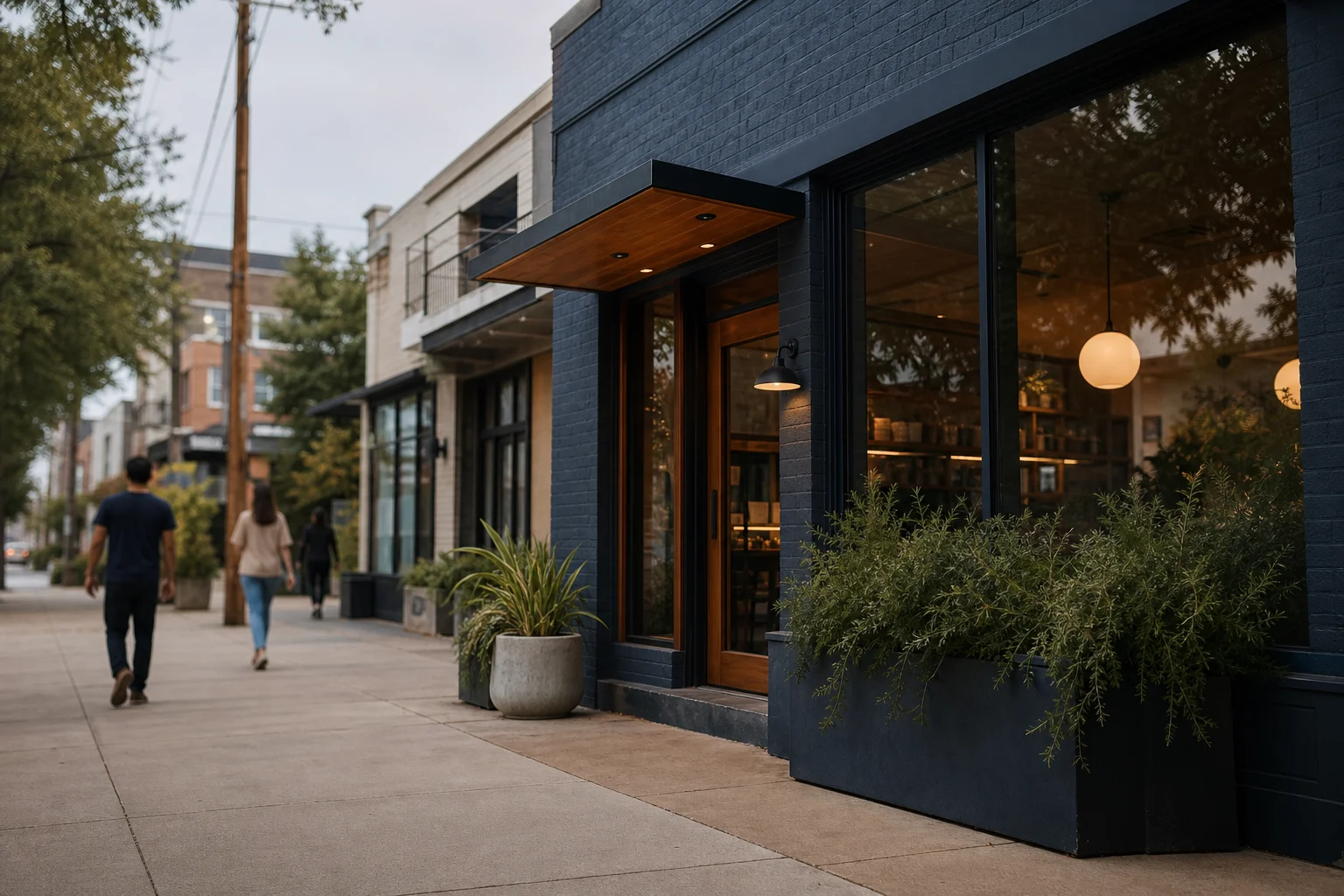
Equipment categories by launch format
Coffee shop equipment costs in Portland vary significantly based on your chosen format. A takeout-first concept near OHSU or in St. Johns requires different equipment than a full-service café in Downtown or Goose Hollow. Your equipment selection should align with your business model, customer expectations, and the specific neighborhood dynamics of your chosen location.
The core equipment categories include brewing systems, grinders, refrigeration, POS systems, and furniture. Each category presents tradeoffs between quality, cost, and space requirements. Portland's low rent level of roughly $30-50/sqft NNN in top areas like St. Johns provides some budget flexibility, but equipment costs can quickly consume startup capital if not carefully planned.
Buildout assumptions that change the budget
Buildout assumptions significantly impact your coffee shop equipment costs in Portland. The condition of your space determines plumbing, electrical, and ventilation requirements, which directly affect equipment placement and installation costs. A second-generation space in St. Johns may require less buildout than a raw space in Downtown, despite similar rent levels.
Portland's mixed market temperature means customer expectations vary by neighborhood. Goose Hollow's dense residential population demands comfortable seating areas, while St. Johns' moderate walkability supports a more streamlined operation. Your buildout should reflect these neighborhood characteristics while maintaining operational efficiency.
The 72% score confidence in Locavisor neighborhood scoring suggests that while the data provides a solid foundation, real-world conditions may vary. Before finalizing your buildout plan, validate the physical condition of your space against your equipment requirements and budget constraints.
New vs used equipment tradeoffs
New equipment offers reliability and warranty protection but comes with higher upfront costs. Used equipment can significantly reduce initial investment but carries risks of maintenance issues and shorter lifespan. Portland's medium competition density means you may find quality used equipment from closed coffee shops, particularly in areas with higher turnover.
The rent level in Portland's top areas provides some flexibility for equipment financing. However, the mixed market temperature suggests that cash flow management is crucial. A balanced approach—investing in critical new equipment while sourcing quality used items for less essential components—can optimize your budget without compromising quality.
Before purchasing used equipment, thoroughly inspect each piece for wear and functionality. The cost of repairs or replacements can quickly offset initial savings. Consider the total cost of ownership, including maintenance and energy efficiency, when comparing new and used options.
What to inspect in a second-generation space
When evaluating a second-generation space in Portland's top areas, focus on the existing infrastructure that supports coffee shop equipment. Plumbing for espresso machines and sinks, electrical capacity for multiple appliances, and ventilation for coffee grinders are critical elements that affect your buildout budget.
St.. Johns' neighborhood corridor with moderate walkability may have existing spaces with some coffee infrastructure intact. However, the thin daytime worker pool and moderate residential density mean your equipment layout should optimize for both efficiency and customer flow.
Goose Hollow's dense residential population and strong walkability suggest that customer comfort and seating arrangements should influence your equipment placement decisions. The 12-minute walk from downtown provides a unique opportunity to capture both neighborhood and downtown customers, requiring equipment that supports various service speeds and volumes.
FAQ
What equipment do I need for A Coffee Shop in Portland?
The essential equipment for a Portland coffee shop includes brewing systems (espresso machines, pour-over stations), grinders, refrigeration (reach-in units, prep tables), POS systems, and furniture. Your specific needs will vary based on your chosen format and location. St. Johns may favor streamlined equipment for takeout, while Goose Hollow's residential density might require more seating and varied brewing options.
How does location affect equipment costs in Portland?
Location impacts equipment costs through rent levels and customer expectations. Portland's top areas have rent levels around $30-50/sqft NNN, providing budget flexibility. However, neighborhood characteristics like St. Johns' moderate walkability or Goose Hollow's dense population influence equipment requirements and buildout needs, affecting your overall budget.
Should I buy new or used equipment for my Portland coffee shop?
A balanced approach often works best. Invest in critical new equipment like espresso machines and POS systems for reliability. Consider quality used items for less essential components to reduce initial costs. Portland's medium competition density may provide good opportunities for used equipment, but always inspect thoroughly before purchasing.
How does buildout impact my coffee shop equipment budget?
Buildout can significantly affect your equipment budget. A second-generation space may require less construction than a raw space, but you must validate existing infrastructure against your equipment requirements. Plumbing, electrical capacity, and ventilation are particularly important for coffee shop equipment and can lead to unexpected costs if not properly assessed.
What should I consider when planning equipment for different Portland neighborhoods?
Consider neighborhood characteristics like customer demographics, foot traffic patterns, and competition. St. Johns' thin daytime worker pool suggests equipment optimized for efficiency, while Goose Hollow's residential density might prioritize customer comfort and varied service options. Validate neighborhood-specific expectations before finalizing your equipment plan.
Last reviewed: 2026-05-08
Sources: U.S. Census Bureau ACS, LEHD LODES, Google Places, OpenStreetMap, Locavisor neighborhood scoring.
Methodology: Locavisor scores neighborhoods across demand, competition fit, rent fit, accessibility, and customer match. Scores reflect a snapshot of recent data and should be combined with on-the-ground research before lease decisions.
Disclaimer: This article provides informational content only and does not constitute legal, financial, accounting, or real-estate advice. Verify lease terms, licensing, local regulations, costs, and professional requirements with qualified local professionals before making business decisions.
Free preview shows top 3 neighborhoods. Full $9.99 report covers all 10 areas with personalized scoring + 90-day check-ins.
Informational only. Verify lease, licensing, local regulations, costs, and professional requirements with qualified local professionals.