San Diego, CA · coffee shop
Coffee shop equipment costs San Diego
Starting a coffee shop in San Diego requires careful planning of equipment and buildout costs. The city offers several promising neighborhoods, each with different market conditions and competition levels. Understanding these factors helps founders make informed decisions about their coffee shop equipment investments.
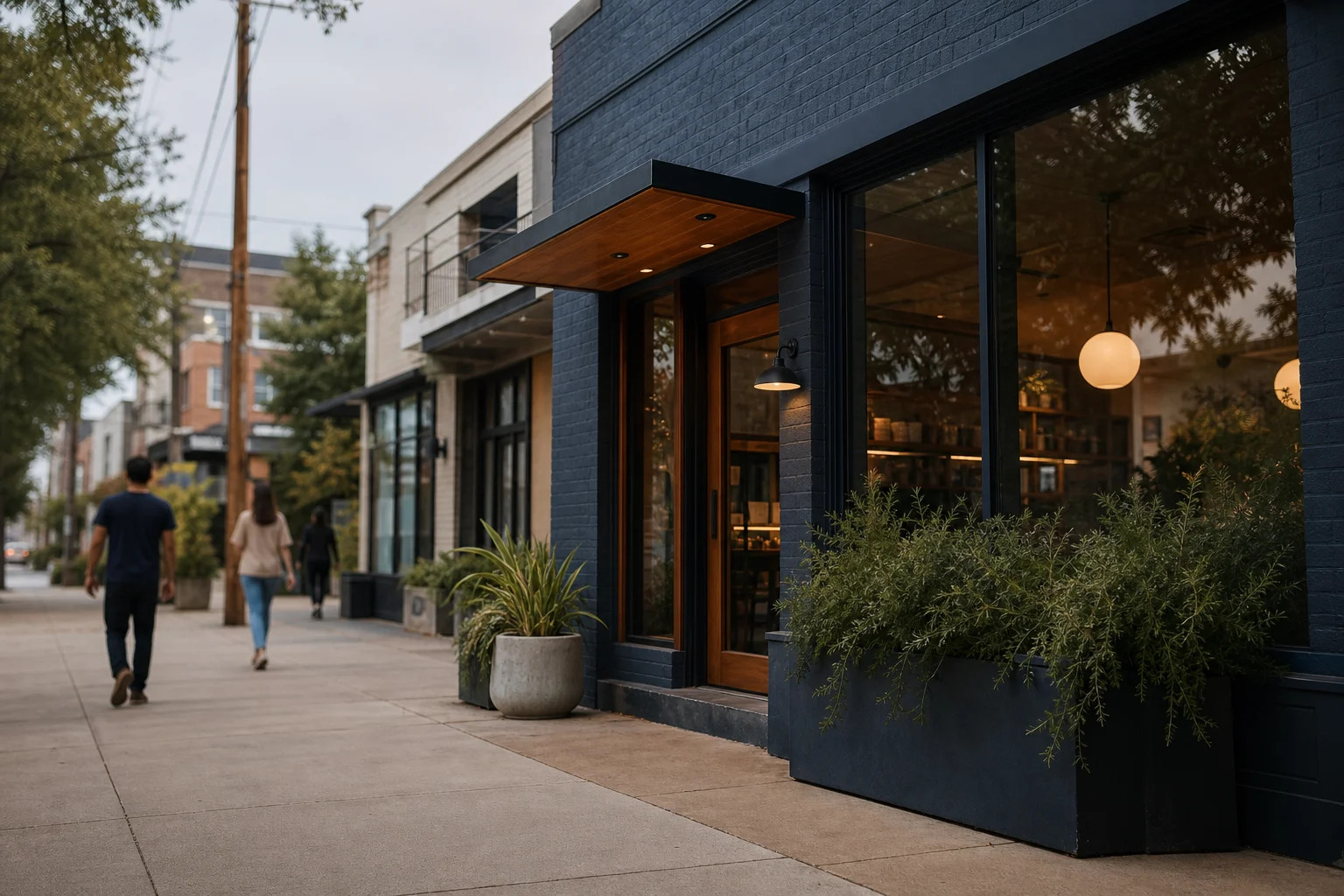
Equipment Categories by Launch Format
Coffee shop equipment needs vary significantly based on your chosen format. A quick-service espresso bar requires different equipment than a full-service café with food preparation capabilities. The University City / UTC area (8.8/10) presents the highest-demand play for a specialty coffee concept, but rent runs roughly $45-70/sqft NNN and you'll face Blue Bottle, La Colombe, Peet's, and two Starbucks within a few blocks.
Your equipment budget will be influenced by the market temperature and competition density in your chosen location. San Diego's market temperature is currently promising, with medium competition density across most neighborhoods. The rent level varies from low in some areas to moderate in others, affecting how much you can allocate to equipment versus location costs.
Little Italy (7.0/10) offers a walkable Italian-American historic corridor with strong evening energy, Saturday farmers market, and a dense cluster of indie coffee shops. Rent is moderate at roughly $30-50/sqft NNN, but you'd enter a market with Bird Rock, Lofty, James Coffee, Mostra, and Portal already established within a few blocks. This competitive landscape may require more specialized equipment to differentiate your offering.
Downtown / Gaslamp Quarter (6.9/10) features the 16-block Gaslamp historic district anchored by Petco Park, nightlife, and tourism. High daytime population density with strong evening and late-night energy. Rent runs roughly $30-50/sqft NNN, but coffee saturation is high with Spill the Beans, Achilles, Blue Bottle, Goldchild, and two Starbucks within walking distance. In this area, equipment that supports extended hours and high-volume service becomes essential.
Buildout Assumptions That Change the Budget
Buildout requirements significantly impact your equipment budget. A ground-up construction allows for optimal equipment placement but requires substantial investment. University City / UTC's UCSD-adjacent corridor with maxed-out office and student demand creates high foot traffic but also increases buildout complexity due to the established presence of major coffee chains.
Second-generation spaces often come with existing infrastructure that can reduce buildout costs. However, these spaces may require modifications to accommodate your specific equipment needs. The rent level in your chosen neighborhood directly affects how much you can allocate to buildout versus equipment quality.
Little Italy's historic corridor presents unique buildout challenges with its preserved architecture. The area's strong evening energy and farmers market activity suggest equipment that can handle peak periods efficiently. Downtown / Gaslamp Quarter's nightlife and tourism focus requires equipment that can withstand extended operating hours and high-volume service periods.
New vs Used Equipment Tradeoffs
New equipment offers reliability and warranty coverage but comes with a higher upfront cost. The market temperature in San Diego is currently promising, which may justify investing in new equipment to establish quality from day one. However, the medium competition density across neighborhoods means you need to balance equipment quality with other startup costs.
Used equipment can significantly reduce initial investment but may require more maintenance and have a shorter lifespan. In areas like University City / UTC with high-demand potential, the reliability of new equipment might be worth the additional cost. The rent level in your chosen neighborhood should guide your decision between new and used equipment.
Little Italy's established coffee scene means you'll need equipment that can compete with existing players. The dense cluster of indie coffee shops suggests that quality equipment is essential to stand out. Downtown / Gaslamp Quarter's high coffee saturation requires equipment that can handle high-volume service while maintaining consistent quality.
What to Inspect in a Second-Generation Space
When evaluating a second-generation space, inspect existing utilities and infrastructure that could support your equipment needs. University City / UTC's UCSD-adjacent corridor with maxed-out office and student demand requires equipment that can handle high-volume service during peak hours. The presence of multiple established coffee chains means your equipment must be reliable and efficient to compete.
Check for existing plumbing, electrical, and ventilation systems that may accommodate your specific equipment requirements. Little Italy's walkable Italian-American historic corridor with strong evening energy suggests equipment that can handle both daytime and evening rushes. The area's Saturday farmers market creates additional demand that your equipment must be prepared to meet.
Evaluate the space's layout for optimal equipment placement and workflow efficiency. Downtown / Gaslamp Quarter's 16-block historic district anchored by Petco Park, nightlife, and tourism requires equipment that can support extended hours and varying customer volumes. The high daytime population density with strong evening and late-night energy means your equipment must be versatile enough to handle different service patterns throughout the day.
What to Validate Before Signing a Lease
Before committing to a space, validate that the existing infrastructure can support your equipment requirements. University City / UTC's high-demand environment requires equipment that can maintain consistent quality during peak hours. The area's score confidence of 82% suggests reliable data for planning your equipment needs.
Confirm that the space's layout allows for efficient workflow between equipment stations. Little Italy's walkable historic corridor with strong evening energy means your equipment must be accessible during busy periods. The area's dense cluster of indie coffee shops suggests you'll need equipment that can differentiate your offering.
Verify that the space can accommodate your specific equipment footprint and ventilation requirements. Downtown / Gaslamp Quarter's high coffee saturation requires equipment that can operate efficiently in a competitive environment. The area's strong evening and late-night energy means your equipment must be durable enough for extended operating hours.
FAQ
What equipment do I need for A Coffee Shop in San Diego?
Coffee shop equipment needs vary based on your format and location. Essential categories include espresso machines, grinders, brewers, refrigeration, POS systems, and service equipment. The specific requirements depend on factors like your chosen neighborhood's market conditions, competition density, and rent level.
How does location affect equipment budget?
Your chosen neighborhood significantly impacts your equipment budget. Areas with higher rent levels like University City / UTC may require more budget-conscious equipment choices, while areas with lower rent levels allow for higher-quality equipment investments. The market temperature and competition density in each neighborhood also influence equipment priorities.
What's the best format for a coffee shop in San Diego?
The optimal format depends on your target market and neighborhood characteristics. University City / UTC's UCSD-adjacent corridor with maxed-out office and student demand suits a quick-service espresso model. Little Italy's walkable historic corridor with strong evening energy supports a café format with extended hours. Downtown / Gaslamp Quarter's tourism and nightlife focus benefits from a hybrid model that can handle various customer types throughout the day.
How do I balance equipment quality with startup costs?
Balance equipment quality with startup costs by prioritizing essential, reliable equipment while considering used options for less critical items. The rent level in your chosen neighborhood should guide your allocation between location and equipment investments. Consider phased equipment purchases as your business grows and generates revenue.
What should I look for in a coffee shop space?
Look for spaces with appropriate utilities, sufficient square footage for your equipment needs, and visibility in your target market. Consider factors like foot traffic patterns, parking availability, and proximity to complementary businesses. The market temperature and competition density in your chosen neighborhood should also inform your space selection.
Last reviewed: 2026-05-07
Sources: U.S. Census Bureau ACS, LEHD LODES, Google Places, OpenStreetMap, Locavisor neighborhood scoring.
Methodology: Locavisor scores neighborhoods across demand, competition fit, rent fit, accessibility, and customer match. Scores reflect a snapshot of recent data and should be combined with on-the-ground research before lease decisions.
Disclaimer: This article provides informational content only and does not constitute legal, financial, accounting, or real-estate advice. Verify lease terms, licensing, local regulations, costs, and professional requirements with qualified local professionals before making business decisions.
Free preview shows top 3 neighborhoods. Full $9.99 report covers all 10 areas with personalized scoring + 90-day check-ins.
Informational only. Verify lease, licensing, local regulations, costs, and professional requirements with qualified local professionals.