Seattle, WA · coffee shop
Coffee shop equipment costs Seattle
Planning your coffee shop equipment costs in Seattle requires understanding both your operational format and neighborhood dynamics. The right equipment choices depend on your business model, customer expectations, and the specific characteristics of Seattle's top neighborhoods. Locavisor neighborhood scoring identifies Eastlake / Cascade as the strongest bet for a new coffee shop, with Capitol Hill and Madrona / Leschi following closely behind. Each area presents unique opportunities and constraints that will influence your equipment decisions.
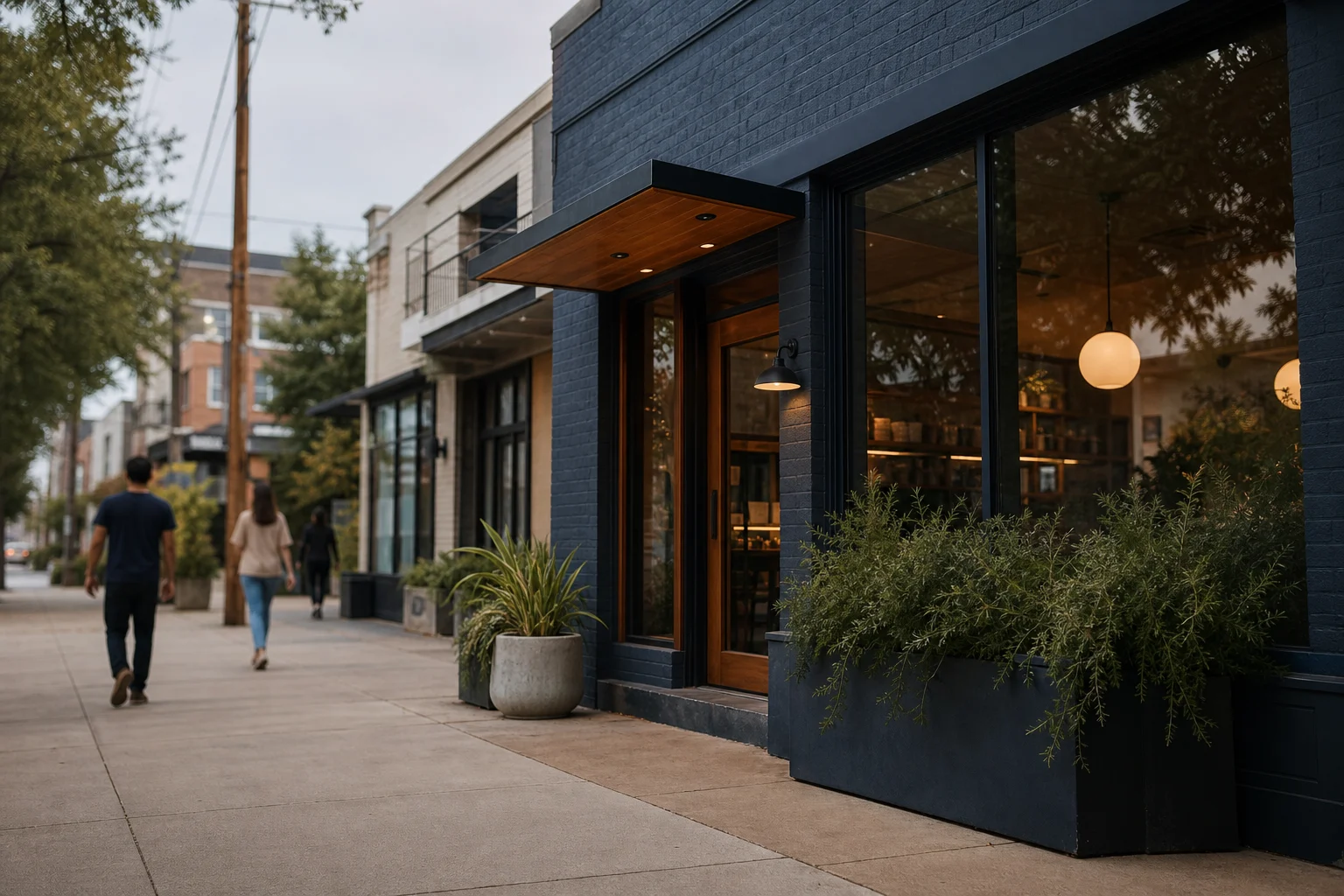
Equipment categories by launch format
Your coffee shop equipment costs in Seattle will vary significantly based on your chosen format. Quick-service operations require less specialized equipment but higher-volume machines. Full-service establishments need more diverse equipment but can command higher price points. Specialty coffee shops demand premium equipment for precise brewing methods.
Seattle's Eastlake / Cascade neighborhood, with its maxed-out office density from Amazon and Fred Hutch anchors, creates a massive weekday coffee crowd. This area supports formats that can handle high-volume rushes while maintaining quality. Your equipment choices here should prioritize speed and durability without sacrificing the product quality that Seattle customers expect.
Capitol Hill, Seattle's densest F&B corridor, supports walk-in traffic with its near-ceiling walkability and daytime population. This neighborhood allows for more specialized equipment that can create unique customer experiences. The light rail station drops commuters at your doorstep, making it ideal for formats that can capture both quick grab-and-go customers and those seeking a longer café experience.
Buildout assumptions that change the budget
Buildout assumptions fundamentally alter your coffee shop equipment costs in Seattle. New construction offers a blank slate but requires significant investment in plumbing, electrical, and ventilation systems. Renovating existing spaces can reduce buildout costs but may require retrofitting to meet equipment requirements.
In Eastlake / Cascade, where rent levels are low at roughly $30-50/sqft NNN, you might allocate more budget to premium equipment rather than expensive buildouts. The ≈10,500 daytime workers within 800m create a reliable lunch-rush base that justifies investing in equipment that can handle peak volumes efficiently.
Capitol Hill's higher rent levels of roughly $45-70/sqft NNN push operators toward more efficient space utilization. Here, multi-functional equipment that serves multiple purposes becomes more valuable. The dense F&B corridor means customers have many options, making equipment that delivers consistent quality and speed essential for retention.
Madrona / Leschi offers the most affordable rent of the top-ranked areas at roughly $30-50/sqft NNN. This neighborhood's quiet, affluent residential character along Lake Washington suggests equipment that creates a welcoming, neighborhood atmosphere. The ≈8,000 potential repeat households within 800m reward equipment that fosters community and encourages loyalty.
New vs used equipment tradeoffs
New equipment offers reliability, warranty protection, and energy efficiency but comes with higher upfront costs. Used equipment reduces initial investment but may require more maintenance and lack modern efficiency features. Your coffee shop equipment costs in Seattle will be shaped by this fundamental tradeoff.
Seattle's promising market temperature suggests that investing in quality equipment makes sense for long-term success. The medium competition density means you need equipment that helps differentiate your offering while maintaining operational efficiency. In Eastlake / Cascade, the massive weekday coffee crowd justifies investing in new equipment that can handle consistent high volume without breakdowns.
Capitol Hill's dense F&B corridor means equipment reliability is non-negotiable. While used equipment might seem attractive given the higher rent levels, the risk of downtime in such a competitive environment makes new equipment a better long-term investment. The light rail station drops commuters at your doorstep, creating predictable rush periods that equipment must handle flawlessly.
Madrona / Leschi's quiet, residential character allows for more flexibility in equipment decisions. The weak parking and limited car access mean your equipment should support a neighborhood model where customers might linger longer. Used equipment could work well here, especially if it creates a comfortable, welcoming atmosphere that encourages repeat visits.
What to inspect in a second-generation space
When evaluating second-generation spaces in Seattle, focus on the existing infrastructure that supports your coffee shop equipment needs. Check electrical capacity for your brewing machines and refrigeration units. Assess plumbing for proper drainage and water pressure. Evaluate ventilation systems that can handle coffee roasting steam and customer traffic.
In Eastlake / Cascade, look for spaces that can accommodate the equipment needed to serve the ≈10,500 daytime workers within 800m. The commercial density from Amazon and Fred Hutch anchors means many spaces may have been previously configured for food service, potentially reducing your buildout costs. Verify that existing electrical systems can handle high-volume brewing equipment without overloading.
Capitol Hill's dense F&B corridor means many spaces have been coffee shops before. Inspect the existing equipment infrastructure carefully. The light rail station drops commuters at your doorstep, creating predictable rush periods that your equipment must handle. Look for spaces with proper ventilation systems that can handle coffee roasting steam and customer traffic without creating discomfort.
Madrona / Leschi's commercial strip at 34th Ave & Cherry is shorter, meaning fewer second-generation spaces. When evaluating these, focus on the neighborhood residential character. The weak parking and limited car access mean your equipment should support a model where customers might linger longer. Inspect spaces that can create a comfortable atmosphere with proper seating and layout.
FAQ
What equipment do I need for A Coffee Shop in Seattle?
Your coffee shop equipment needs in Seattle will depend on your format and location. Essential equipment typically includes espresso machines, grinders, brewers, refrigeration units, POS systems, and seating. Eastlake / Cascade supports high-volume equipment that can handle the massive weekday crowd from Amazon and Fred Hutch. Capitol Hill requires equipment that can serve both quick grab-and-go customers and those seeking a longer café experience. Madrona / Leschi benefits from equipment that creates a welcoming neighborhood atmosphere for the ≈8,000 potential repeat households within 800m.
How does neighborhood choice affect equipment costs?
Neighborhood choice significantly impacts your coffee shop equipment costs in Seattle. Eastlake / Cascade and Madrona / Leschi both have rent levels of roughly $30-50/sqft NNN, allowing more budget for premium equipment. Capitol Hill's higher rent levels of roughly $45-70/sqft NNN push operators toward more efficient, multi-functional equipment. The market temperature is promising across all three neighborhoods, suggesting that investing in quality equipment makes sense for long-term success.
What equipment considerations are specific to Seattle's climate?
Seattle's climate influences equipment choices through humidity control needs and outdoor seating considerations. The Pacific Northwest's damp conditions may require additional dehumidification equipment to protect sensitive machinery and maintain customer comfort. Outdoor seating options, popular in all three neighborhoods, require weather-resistant furniture and possibly heating elements for year-round use. The ≈10,500 daytime workers within 800m in Eastlake / Cascade create predictable indoor traffic patterns that equipment should accommodate efficiently.
How does competition density affect equipment decisions?
Seattle's medium competition density means your equipment should help differentiate your offering while maintaining operational efficiency. In Eastlake / Cascade, the massive weekday coffee crowd from Amazon and Fred Hutch anchors requires equipment that can handle high volume without sacrificing quality. Capitol Hill's dense F&B corridor means equipment reliability is non-negotiable, as customers have many options and won't tolerate inconsistent service. Madrona / Leschi's quieter environment allows for more specialized equipment that creates unique customer experiences in a less saturated market.
Last reviewed: 2026-05-08
Sources: U.S. Census Bureau ACS, LEHD LODES, Google Places, OpenStreetMap, Locavisor neighborhood scoring.
Methodology: Locavisor scores neighborhoods across demand, competition fit, rent fit, accessibility, and customer match. Scores reflect a snapshot of recent data and should be combined with on-the-ground research before lease decisions.
Disclaimer: This article provides informational content only and does not constitute legal, financial, accounting, or real-estate advice. Verify lease terms, licensing, local regulations, costs, and professional requirements with qualified local professionals before making business decisions.
Free preview shows top 3 neighborhoods. Full $9.99 report covers all 10 areas with personalized scoring + 90-day check-ins.
Informational only. Verify lease, licensing, local regulations, costs, and professional requirements with qualified local professionals.