Washington, DC · coffee shop
Coffee shop equipment costs Washington
Planning a coffee shop in Washington requires careful consideration of equipment and buildout costs. The District's competitive market demands strategic planning, especially when selecting the right location and equipment that aligns with your business model. 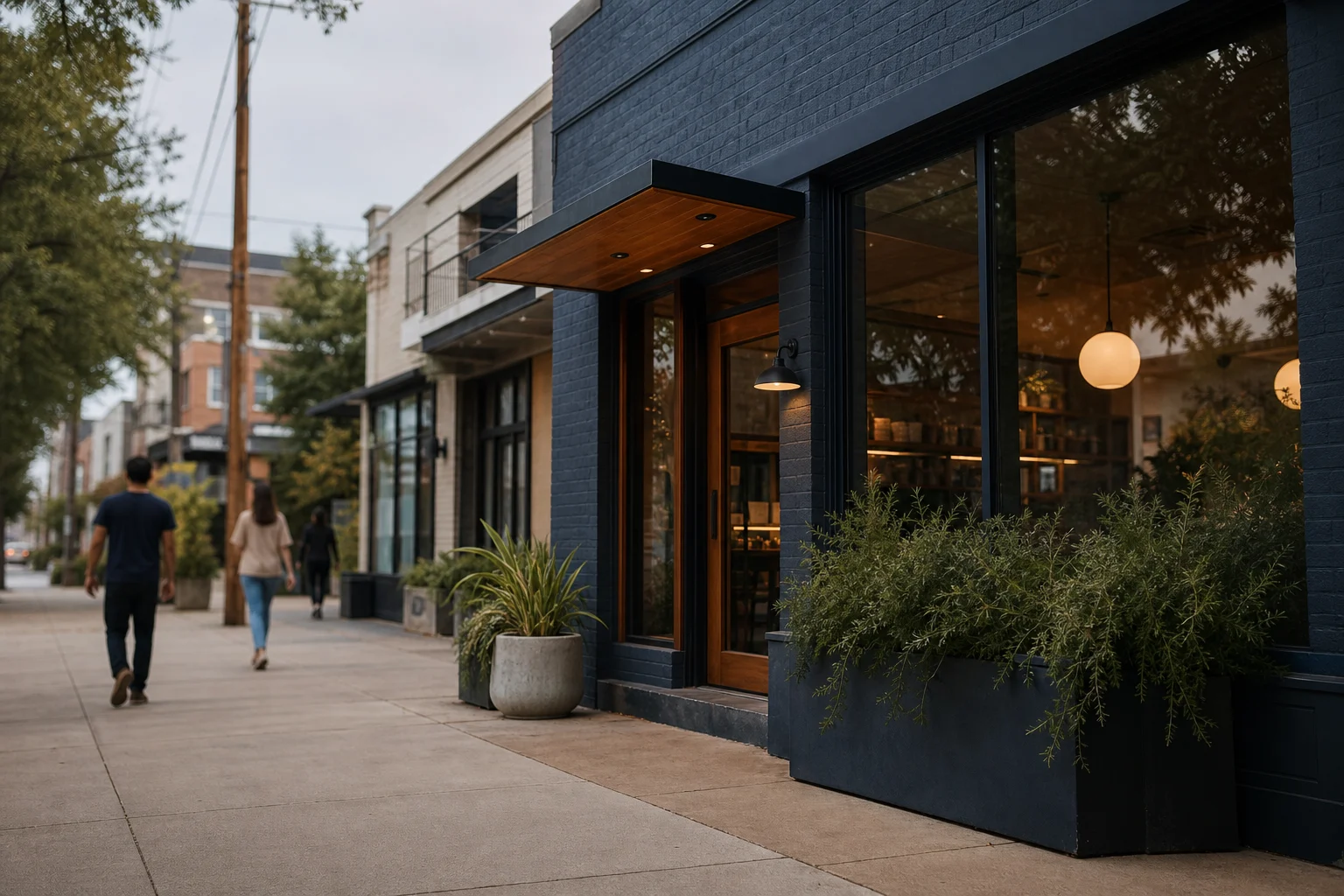
Equipment Categories by Launch Format
Your coffee shop's format directly impacts equipment needs. A quick-service model requires different equipment than a full-service café with seating. Consider these formats when planning your Washington coffee shop:
Quick-service counter: Focus on high-volume espresso machines, grinders, and streamlined workflow systems. Limited seating means less furniture investment but more emphasis on speed and efficiency.
Full-service café: Requires additional equipment like display cases, seating furniture, and potentially a small kitchen for food items. The Foggy Bottom / GWU area supports both Tatte Bakery & Cafe and Bluestone Lane West End Café, showing that full-service models thrive there.
Drive-thru model: Specialized equipment for ordering systems and drink preparation that works efficiently through a window. This format isn't represented in the top three areas, suggesting it might not align with Washington's urban coffee culture.
Hybrid model: Combines elements of the above formats. Logan Circle's dense restaurant-and-retail strip on 14th St NW supports this approach, with La Colombe Coffee Workshop and Bluestone Lane Logan Circle both thriving.
The Dupont Circle area's premium rent levels ($65-95/sqft NNN) suggest that a higher-end format might be necessary to justify those costs. The area's strong demand (7.2) and top-tier accessibility (8.1) support a more upscale operation.
Buildout Assumptions That Change the Budget
Buildout requirements vary significantly across Washington's neighborhoods. Your budget must account for these key factors:
Space condition: A second-generation space often requires less buildout than a raw shell. The Logan Circle area's moderate rent ($45-70/sqft NNN) might indicate spaces that need more substantial buildout.
Local regulations: Washington's building codes and health department requirements impact buildout complexity. The Foggy Bottom / GWU area's near-perfect demand score (8.9) driven by GWU's 25K+ students suggests strict adherence to regulations is essential.
Utility infrastructure: Older buildings may require upgrades to support coffee equipment's electrical and plumbing needs. Dupont Circle's dense mix of office workers, young professionals, and residents likely means modern utility infrastructure.
Layout efficiency: Your workflow design affects both equipment needs and customer experience. The Foggy Bottom / GWU area already supports successful coffee shops, suggesting layouts that work in that environment.
Market temperature plays a role too. Washington's "promising" market temperature suggests that buildout investments could yield good returns, especially in areas with medium competition density like Foggy Bottom / GWU.
New vs Used Equipment Tradeoffs
Equipment sourcing decisions impact your budget timeline and operational reliability:
New equipment offers warranty protection and latest technology but comes with higher upfront costs. In Washington's competitive market, reliability is crucial, especially during the critical launch phase.
Used equipment reduces initial investment but may require more maintenance. The medium competition density in Washington means your equipment needs to perform consistently to stand out.
Refurbished equipment provides a middle ground, offering reliability at a lower cost than new. This option might be particularly appealing given Washington's medium rent levels.
Leasing options spread costs over time but increase long-term expenses. The 85% score confidence in Locavisor neighborhood scoring suggests that Washington's market is stable enough to justify equipment investment.
The Foggy Bottom / GWU area's strong coffee shop presence (Tatte Bakery & Cafe and Bluestone Lane West End Café) indicates that reliable equipment is essential to compete effectively.
What to Inspect in a Second-Generation Space
When considering a previously operated coffee shop space, thorough inspection prevents costly surprises:
Plumbing infrastructure: Coffee equipment requires specific plumbing setups. Check water pressure, drainage, and gas lines if applicable. The Foggy Bottom / GWU area's State Department offices suggest commercial-grade plumbing standards.
Electrical capacity: Espresso machines and other equipment draw significant power. Verify that the electrical system can handle your planned equipment load. Dupont Circle's premium rent levels likely include updated electrical systems.
Ventilation systems: Proper ventilation is critical for coffee preparation areas and customer comfort. Logan Circle's high evening energy suggests that effective ventilation is already in place in successful establishments.
Flooring condition: Coffee shops experience high foot traffic and potential spills. Inspect flooring for damage that could require replacement. The 14th St NW corridor in Logan Circle sees dense foot traffic, indicating durable flooring is essential.
Storage capacity: Evaluate existing storage solutions for both supplies and equipment. The Foggy Bottom / GWU area's support for successful coffee shops suggests adequate storage is part of the equation.
When inspecting spaces, consider how the previous layout worked for similar businesses. The presence of Tatte Dupont Circle (4.3★, 1,397 reviews), Dolcezza Gelato & Coffee (4.6★, 1,148 reviews), and a Starbucks (3.9★, 977 reviews) within 300m in Dupont Circle shows what works in that area.
FAQ
What equipment do I need for A Coffee Shop in Washington?
Essential equipment includes espresso machines, grinders, brewers, refrigeration units, POS systems, and furniture. The specific mix depends on your format and location. In Washington's competitive market, reliable equipment that can handle high volume is crucial, especially in areas like Foggy Bottom / GWU with 25K+ students from GWU.
How does location affect equipment needs in Washington?
Different neighborhoods have different customer expectations and operational constraints. Foggy Bottom / GWU's student population suggests equipment that can handle peak study hours, while Dupont Circle's premium rent levels might justify higher-end equipment. Logan Circle's evening energy requires equipment that maintains performance during extended hours.
Should I buy new or used equipment for my Washington coffee shop?
New equipment offers reliability and warranty protection but comes with higher upfront costs. Used equipment reduces initial investment but may require more maintenance. Consider your budget timeline and risk tolerance. Washington's promising market temperature suggests that investing in reliable equipment could yield good returns.
What buildout factors should I consider in Washington?
Key factors include space condition, local regulations, utility infrastructure, and layout efficiency. Washington's building codes and health department requirements impact buildout complexity. The Foggy Bottom / GWU area's near-perfect demand score suggests that proper buildout is essential to capture that market.
How do I evaluate a second-generation coffee shop space in Washington?
Inspect plumbing infrastructure, electrical capacity, ventilation systems, flooring condition, and storage capacity. Consider how the previous layout worked for similar businesses. The presence of established coffee shops in areas like Dupont Circle and Logan Circle provides benchmarks for what works in those locations.
What's the impact of Washington's rent levels on equipment budgets?
Rent levels vary significantly across neighborhoods. Foggy Bottom / GWU's medium rent ($30-50/sqft NNN) allows for more equipment investment, while Dupont Circle's premium rent ($65-95/sqft NNN) might require a higher-margin business model to justify equipment costs. Logan Circle's moderate rent ($45-70/sqft NNN) offers a middle ground.
How does competition affect equipment decisions in Washington?
Washington's medium competition density means your equipment needs to perform consistently to stand out. Consider what successful competitors like Tatte Bakery & Cafe and Bluestone Lane offer in terms of equipment and service. Your edge might come from equipment that enables unique offerings or improved efficiency.
Last reviewed: 2026-05-08
Sources: U.S. Census Bureau ACS, LEHD LODES, Google Places, OpenStreetMap, Locavisor neighborhood scoring.
Methodology: Locavisor scores neighborhoods across demand, competition fit, rent fit, accessibility, and customer match. Scores reflect a snapshot of recent data and should be combined with on-the-ground research before lease decisions.
Disclaimer: This article provides informational content only and does not constitute legal, financial, accounting, or real-estate advice. Verify lease terms, licensing, local regulations, costs, and professional requirements with qualified local professionals before making business decisions.
Free preview shows top 3 neighborhoods. Full $9.99 report covers all 10 areas with personalized scoring + 90-day check-ins.
Informational only. Verify lease, licensing, local regulations, costs, and professional requirements with qualified local professionals.