Austin, TX · dessert shop
Dessert shop equipment costs Austin
Planning a dessert shop in Austin requires careful consideration of equipment needs and buildout requirements. The dessert shop Austin startup costs can vary significantly based on your chosen format, location, and equipment strategy. Austin's competitive landscape offers unique opportunities for dessert entrepreneurs, particularly in neighborhoods like Hyde Park, UT Campus/West Campus, and North Loop, each presenting distinct advantages for your business concept.
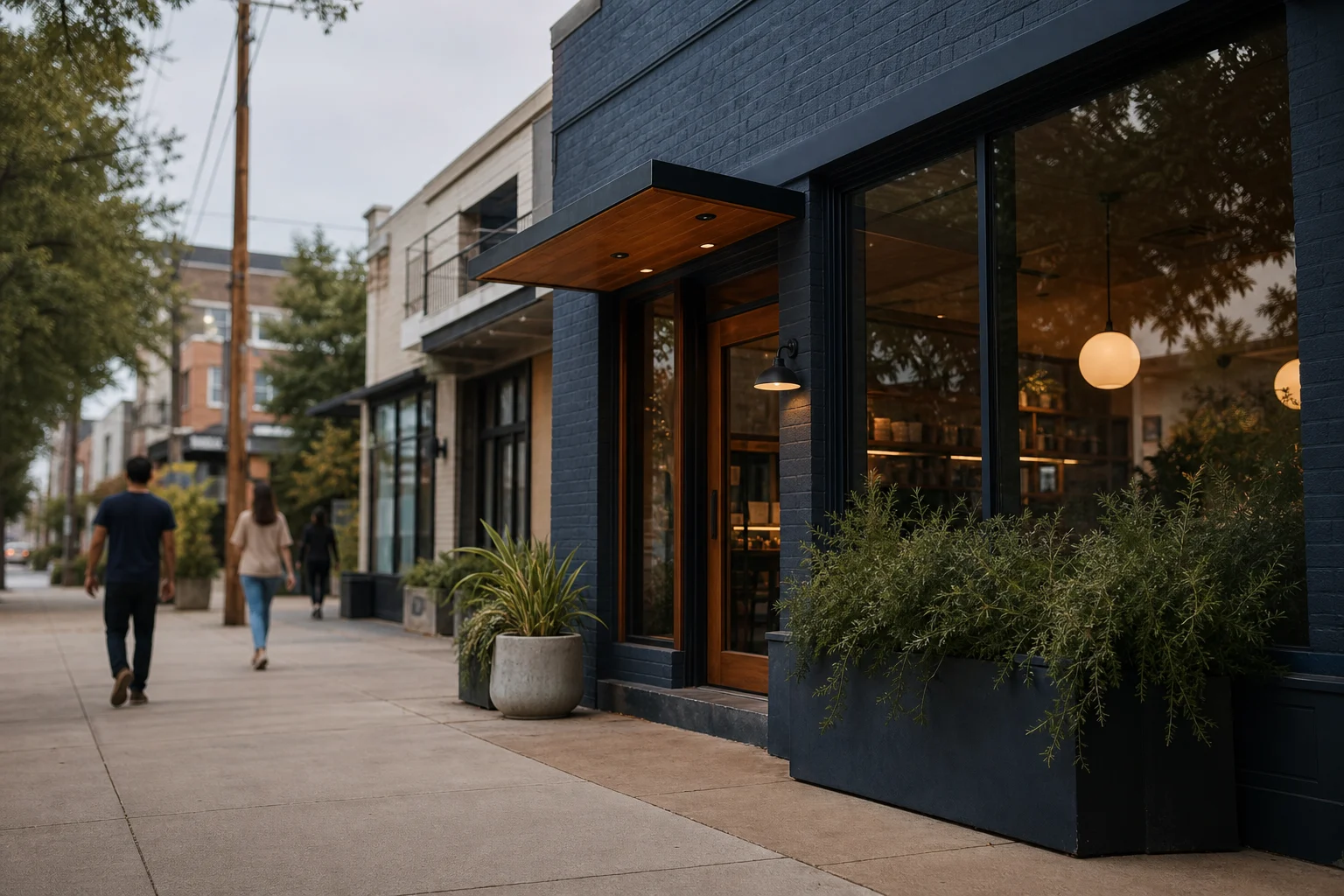
Equipment Categories by Launch Format
Your equipment needs will vary dramatically based on your chosen dessert shop format. A counter-service ice cream parlor requires different equipment than a full-service dessert café or a bakery-focused shop. In Austin's market, where competition density is medium and rent levels are medium, your format choice directly impacts both initial investment and ongoing operational costs.
For a counter-service model focused on items like gelato, frozen yogurt, or pre-made desserts, your core equipment includes refrigerated display cases, point-of-sale systems, and basic preparation surfaces. The UT Campus/West Campus area, with its maxed-out student index and 50K+ students along The Drag, would benefit from this streamlined approach to maximize throughput during peak hours.
A full-service dessert café requires more extensive equipment. You'll need commercial ovens, mixers, refrigeration for ingredients, display cases for finished products, and customer seating. In Hyde Park, where you'll find zero direct competitors and a customer base of UT faculty, young families, and students, this format could capitalize on the area's strong walkability along Duval/Avenue B.
Bake-focused dessert shops need specialized equipment including industrial mixers, proofing cabinets, sheeters, and multiple oven types. North Loop's existing bakery cluster (Zucchini Kill Bakery, Polkadots Cupcake Factory, Mrs Johnson's Bakery) suggests this format could fit well, though you'd need to differentiate your offerings in a market with established players.
Buildout Assumptions That Change the Budget
The physical requirements of your dessert shop will significantly impact your equipment budget. Austin's medium rent level of $45-70/sqft NNN across these neighborhoods means your buildout decisions have direct financial implications.
Ventilation requirements represent one of the most significant buildout considerations. Equipment generating heat or fumes—ovens, fryers, even some refrigeration systems—requires proper ventilation. This may necessitate hood systems, ductwork, and make-up air units, which can substantially increase buildout costs. In areas like Hyde Park with its historic bungalow corridor, you may face additional restrictions on exterior modifications.
Plumbing requirements vary by equipment type. Ice cream shops need robust drainage for cleaning, while full-service bakeries require extensive water access for mixing and cleanup. Your location's existing infrastructure will determine how much new plumbing is needed. North Loop's quirky indie corridor might have older buildings with limited utility capacity, potentially increasing these costs.
Electrical capacity is another critical consideration. Commercial ovens, refrigeration units, and mixers draw significant power. Older buildings in areas like UT Campus/West Campus may require electrical upgrades to support these loads, adding to your buildout expenses. The 2026-05 snapshot data indicates that while rent levels are medium, utility costs can vary significantly across these neighborhoods.
New vs Used Equipment Tradeoffs
The decision between new and used equipment represents a critical strategic choice for your Austin dessert shop. New equipment offers reliability, warranty protection, and energy efficiency, but comes with a higher upfront cost. Used equipment reduces initial investment but carries higher maintenance risks and potentially higher operating costs.
In Austin's mixed market temperature, the financial pressure of medium rent levels makes equipment financing a common consideration. New equipment typically qualifies for better financing terms but requires larger down payments. The 78% score confidence in Locavisor neighborhood scoring suggests that while these areas show promise, the investment risk remains significant enough to warrant careful equipment planning.
Used equipment can be particularly attractive for startups in competitive markets like Austin. The medium competition density means you need to establish your business quickly without overextending financially. However, equipment that has been heavily used in previous dessert operations may have a shorter remaining lifespan, potentially leading to unexpected replacement costs.
The age of your equipment also impacts customer perception. In neighborhoods like North Loop with its vintage aesthetic, slightly older equipment might fit the aesthetic. In contrast, UT Campus/West Campus's student-heavy customer base might respond better to newer, more visually appealing equipment that aligns with contemporary expectations.
What to Inspect in a Second-Generation Space
When considering a second-generation space for your Austin dessert shop, thorough equipment inspection becomes crucial. The medium competition density in these neighborhoods means many spaces may have previously housed food service operations, potentially leaving behind usable equipment.
Begin by evaluating the condition of existing equipment. Look for signs of excessive wear, corrosion, or malfunction. In areas like Hyde Park with zero direct competitors, the previous tenant might have specialized equipment that could be repurposed for your dessert shop, potentially reducing initial investment.
Plumbing and electrical infrastructure should be carefully assessed. Older systems in historic areas like Hyde Park's bungalow corridor may not meet current commercial kitchen requirements. The UT Campus/West Campus area, with its high daytime population density, likely has more robust infrastructure but may still require upgrades for specialized dessert equipment.
Ventilation systems deserve particular attention. Hood systems designed for previous operations may not adequately support your specific equipment needs. In North Loop's existing bakery cluster, the ventilation might be suitable for baking but insufficient for equipment generating different heat or fume profiles.
Always verify that existing equipment meets current health department requirements. Regulations evolve, and equipment that was compliant for previous operations may need modifications to meet current standards. The 2026-05 snapshot data indicates that while these neighborhoods show promise, regulatory compliance remains a consideration that could impact your equipment strategy.
FAQ
What equipment do I need for A Dessert Shop in Austin?
Your equipment needs depend on your specific format and offerings. For a counter-service ice cream shop, you'll need refrigerated display cases, POS systems, and preparation surfaces. A full-service dessert café requires ovens, mixers, refrigeration, and seating. Bake-focused shops need specialized equipment like industrial mixers and proofing cabinets. Austin's medium rent level of $45-70/sqft NNN means your equipment choices should balance initial investment with operational efficiency.
How does location affect my equipment needs in Austin?
Each neighborhood presents different considerations. Hyde Park's zero direct competitors and student-heavy customer base might support more specialized equipment. UT Campus/West Campus's high student density favors efficient, high-throughput equipment. North Loop's existing bakery cluster means you'll need equipment that differentiates your offerings from established players like Zucchini Kill Bakery and Polkadots Cupcake Factory.
Should I buy new or used equipment for my Austin dessert shop?
Austin's mixed market temperature and medium competition density make this a strategic decision. New equipment offers reliability and warranty protection but requires larger upfront investment. Used equipment reduces initial costs but carries higher maintenance risks. Consider your specific neighborhood's characteristics—Hyde Park's historic bungalow corridor might accommodate older equipment aesthetically, while UT Campus/West Campus's student base might prefer newer equipment.
What buildout factors impact my equipment budget most?
Ventilation, plumbing, and electrical requirements typically have the greatest impact. Equipment generating heat or fumes requires hood systems, which can substantially increase costs. Plumbing needs vary by equipment type—bakeries require extensive water access while ice cream shops need robust drainage. Electrical capacity is critical for powering commercial ovens and refrigeration units. Older buildings in areas like North Loop's vintage corridor may require significant utility upgrades.
How can I reduce equipment costs for my Austin dessert shop?
Consider multi-functional equipment that serves multiple purposes. Modular systems allow for scalability as your business grows. Leasing options can spread costs over time, though this increases long-term expenses. Partnering with equipment suppliers for package deals may reduce costs. Austin's medium rent level means your location choice significantly impacts overall budget, with neighborhoods like Hyde Park offering potential for more strategic equipment investment.
Last reviewed: 2026-05-08
Sources: U.S. Census Bureau ACS, LEHD LODES, Google Places, OpenStreetMap, Locavisor neighborhood scoring.
Methodology: Locavisor scores neighborhoods across demand, competition fit, rent fit, accessibility, and customer match. Scores reflect a snapshot of recent data and should be combined with on-the-ground research before lease decisions.
Disclaimer: This article provides informational content only and does not constitute legal, financial, accounting, or real-estate advice. Verify lease terms, licensing, local regulations, costs, and professional requirements with qualified local professionals before making business decisions.
Free preview shows top 3 neighborhoods. Full $9.99 report covers all 10 areas with personalized scoring + 90-day check-ins.
Informational only. Verify lease, licensing, local regulations, costs, and professional requirements with qualified local professionals.