Chicago, IL · dessert shop
Dessert shop equipment costs Chicago
What equipment do you need to open a dessert shop in Chicago?
A dessert shop's core equipment list hinges on its menu, but most Chicago operators prioritize reliability and space efficiency. Key items include:
- Refrigeration: Reach-in coolers for ingredients (e.g., cream, fruit) and display cases for finished products.
- Ovens and mixers: Commercial ovens for baking (cookies, cakes) and planetary mixers for dough or batter.
- Prep stations: Stainless steel counters for assembly and plating.
- ** POS and display**: Point-of-sale systems and glass display cases to showcase treats.
- Cleaning and safety: Dishwashers, hand sinks, and fire suppression systems.
These items aren't just tools-they're tied to Chicago's rent bands (e.g., $22-$80/sqft/yr NNN in Hyde Park) and utility capacity. A compact layout in a high-rent area like Chinatown might force founders to choose multi-functional equipment to save space.
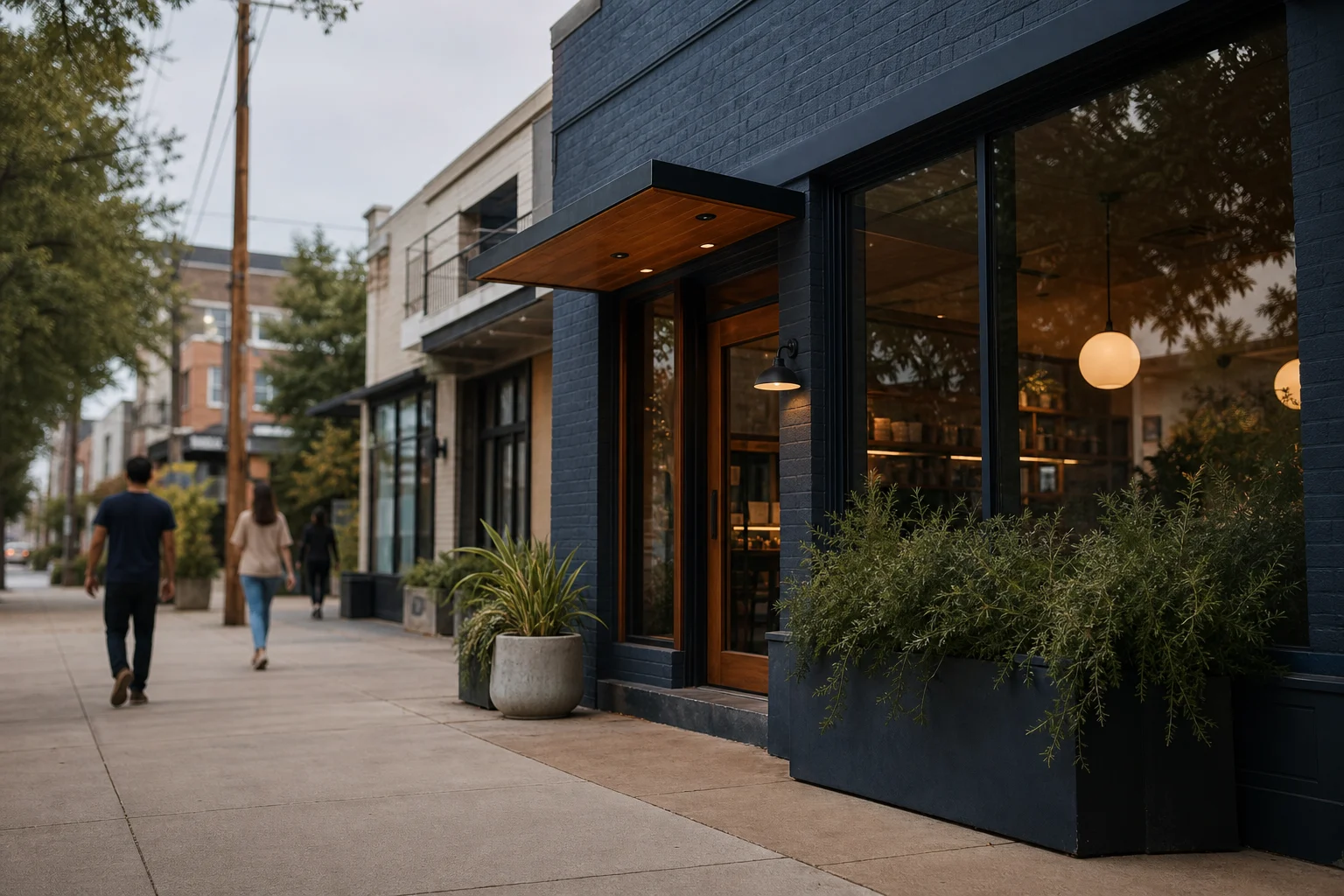
Buildout cost categories
Buildout costs fall into six main buckets, each influenced by Chicago's local regulations and neighborhood context.
Plumbing and electrical
Plumbing for sinks, dishwashers, and ice machines requires permits from the City of Chicago's Department of Water Management. Electrical work-including outlets for ovens, refrigeration, and POS systems-must meet city codes and often involves inspections. In neighborhoods like Rogers Park, where rent bands sit at $22-$80/sqft/yr NNN, founders might opt for energy-efficient equipment to offset higher utility costs.
HVAC and ventilation
Dessert shops generate heat from ovens and need proper ventilation to meet Chicago's building codes. A commercial HVAC system with exhaust hoods is non-negotiable, especially in areas like Devon Ave / West Ridge, where rent bands are $22-$80/sqft/yr NNN. Poor ventilation can lead to code violations or customer discomfort.
Flooring and finishes
Stainless steel or epoxy flooring is standard for hygiene, but costs vary by neighborhood. In Edgewater, where rent bands are $22-$80/sqft/yr NNN, founders might choose durable, easy-to-clean finishes to withstand high foot traffic near Loyola University.
Permits-driven items
Permits for food service, signage, and construction are mandatory. The City of Chicago's Business Affairs and Consumer Protection department handles food permits, while the Department of Buildings oversees construction. Delays here can derail timelines, especially in busy areas like Hyde Park.
Furniture and signage
Seating, counters, and exterior signage must align with local aesthetic expectations. In Chinatown, where rent bands are $22-$80/sqft/yr NNN, founders might invest in signage that reflects the neighborhood's cultural identity to attract foot traffic from nearby malls like Chinatown Square Plaza.
Equipment line items to validate in Chicago
Beyond basics, founders should validate these line items:
- Refrigeration capacity: Match to menu volume-e.g., Stan's Donuts in Hyde Park uses large coolers to store dough and toppings.
- Oven size: A single-deck oven works for small batches, but a double-deck might be needed for high-demand areas like Rogers Park.
- Display case type: Glass cases for self-serve vs. refrigerated cases for perishables-critical in neighborhoods with heavy foot traffic (e.g., Devon Ave / West Ridge).
How established operators in Chicago configure their kitchens
Verified local operators offer clues about efficient setups:
- Insomnia Cookies (Hyde Park): Focuses on quick, casual ordering with compact prep stations to handle late-night student demand from the University of Chicago.
- Stan's Donuts (Hyde Park): Uses multi-functional mixers to streamline dough preparation, reducing the need for extra equipment.
- Mickii's (Rogers Park): Prioritizes display cases for walk-in customers, aligning with the neighborhood's mix of students (Loyola) and residents.
These setups reflect a balance of menu needs and local customer behavior-key for Chicago founders.
Used vs. new vs. lease
- Used equipment: Cheaper upfront but may require more maintenance. Insomnia Cookies and Stan's Donuts often use refurbished mixers to save costs.
- New equipment: Higher upfront cost but better warranties-ideal for high-rent areas like Chinatown where downtime is costly.
- Leasing: Spreads costs over time, useful for founders in Edgewater with tight cash flow.
Buildout timeline
Buildout timelines depend on permits and contractor availability. In Chicago, expect:
- Permit approval: a variable local timeline (varies by neighborhood).
- Construction: a variable local timeline (weather and contractor schedules impact this).
- Inspections: a variable local timeline (plumbing, electrical, and food safety checks).
Delays often stem from permit backlogs or unexpected code requirements-common in dense areas like Devon Ave / West Ridge.
Common buildout overruns
- Permit surprises: Unforeseen electrical upgrades in older buildings (e.g., Rogers Park).
- Utility costs: Higher-than-expected HVAC or plumbing fees in high-rent neighborhoods.
- Material delays: Supply chain issues for stainless steel or display cases.
Founders should budget a 10-15% buffer for these risks.
| Neighborhood | Locavisor score | Rent band | Local operator signal | Founder validation check |
|---|---|---|---|---|
| Hyde Park | 6.4/10 | $22-$80/sqft/yr NNN | Insomnia Cookies, Stan's Donuts & Coffee | Check utility capacity, ventilation, plumbing, storage, and fixture layout. |
| Chinatown | 6.3/10 | $22-$80/sqft/yr NNN | Golden Dragon Fortune Cookies | Check utility capacity, ventilation, plumbing, storage, and fixture layout. |
| Rogers Park | 6.1/10 | $22-$80/sqft/yr NNN | Mickii's - Cookies, Cobblers & More | Check utility capacity, ventilation, plumbing, storage, and fixture layout. |
| Edgewater | 6.0/10 | $22-$80/sqft/yr NNN | No direct operator listed | Check utility capacity, ventilation, plumbing, storage, and fixture layout. |
| Devon Ave / West Ridge | 6.0/10 | $22-$80/sqft/yr NNN | Envy Design Cookies INC | Check utility capacity, ventilation, plumbing, storage, and fixture layout. |
FAQ
Q: What's the biggest equipment mistake Chicago dessert shop founders make?
A: Overbuying. Many founders in high-rent areas like Hyde Park ($22-$80/sqft/yr NNN) buy too much equipment, wasting space and money. Stick to what your menu truly needs.
Q: Do I need a commercial kitchen for a small dessert shop in Chicago?
A: Yes, if you're preparing food on-site. The City of Chicago requires commercial kitchens for any business handling perishable ingredients-check with the Department of Buildings.
Q: How do I choose between a reach-in and walk-in cooler?
A: Reach-ins work for small shops (e.g., Mickii's in Rogers Park), while walk-ins suit high-volume spots like Stan's Donuts in Hyde Park. Match size to your ingredient storage needs and rent band.
Last reviewed: 2026-05-30
Sources: U.S. Census Bureau ACS, LEHD LODES, Google Places, OpenStreetMap, Locavisor neighborhood scoring.
Methodology: Locavisor scores neighborhoods across demand, competition fit, rent fit, accessibility, and customer match. Scores reflect a snapshot of recent data and should be combined with on-the-ground research before lease decisions.
Disclaimer: This article provides informational content only and does not constitute legal, financial, accounting, or real-estate advice. Verify lease terms, licensing, local regulations, costs, and professional requirements with qualified local professionals before making business decisions.
Free preview shows top 3 neighborhoods. Full $9.99 report covers all 10 areas with personalized scoring + 90-day check-ins.
Informational only. Verify lease, licensing, local regulations, costs, and professional requirements with qualified local professionals.