Denver, CO · dessert shop
Dessert shop equipment costs Denver
Planning a dessert shop in Denver requires careful consideration of equipment costs and buildout requirements. The dessert shop equipment costs Denver market presents unique challenges depending on your chosen neighborhood, with significant variations in rent levels, competition density, and market temperature. Understanding these factors will help you make informed decisions about your equipment investment and buildout strategy.
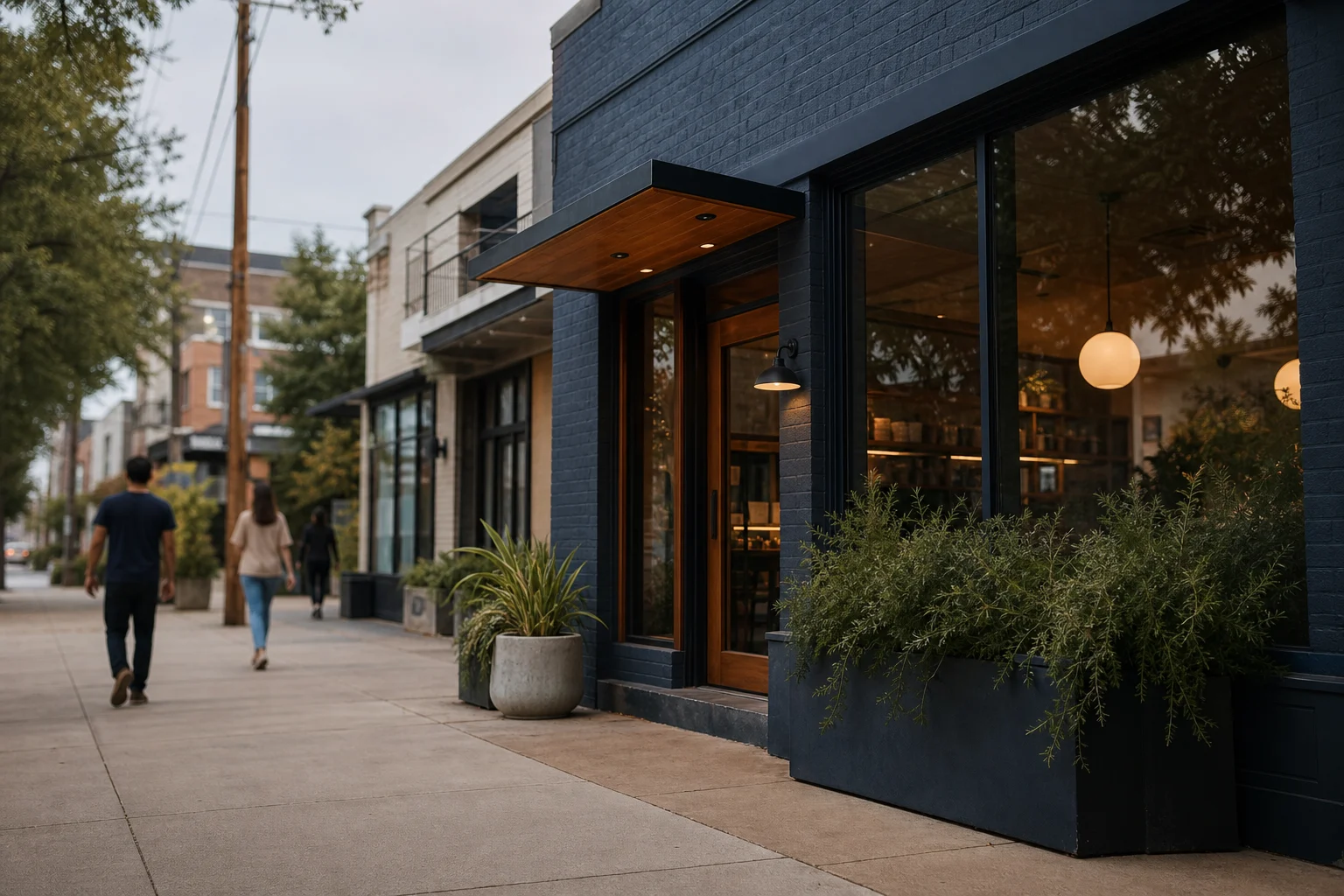
Equipment Categories by Launch Format
Dessert shop equipment costs Denver vary significantly based on your chosen format. A full-service bakery with seating requires different equipment than a counter-service ice cream shop or a specialty dessert delivery operation. Denver's top neighborhoods each support different formats, with LoDo being ideal for a sit-down dessert café, RiNo favoring a creative artisanal approach, and Five Points supporting a more budget-friendly counter-service model.
For a full-service dessert shop in Denver, you'll need refrigeration units for ingredients and finished products, display cases for customer viewing, preparation stations, baking equipment if offering made-to-order items, and seating furniture. The equipment costs Denver market demands will be higher in premium areas like LoDo where rent runs $30-50/sqft NNN, compared to Five Points where rent is more affordable at $20-35/sqft NNN.
Counter-service formats reduce equipment needs by eliminating seating requirements and potentially simplifying preparation workflows. This approach works particularly well in RiNo, where the creative-class hub atmosphere supports quick-service dessert concepts. The dessert shop equipment costs Denver entrepreneurs face in this format focus primarily on production efficiency and customer flow rather than dining experience.
Buildout Assumptions That Change the Budget
Buildout requirements significantly impact your equipment budget in Denver's dessert shop market. LoDo's dense office corridor and Union Station location make it ideal for a high-end dessert experience, but the $30-50/sqft NNN rent level means your buildout budget must account for premium finishes and layout optimization. The space will need to accommodate both daytime worker traffic and evening/late-night activity, requiring flexible equipment arrangements.
RiNo's artistic atmosphere allows for more creative buildout approaches, with murals and galleries providing visual interest that reduces the need for expensive interior finishes. The Denver Central Market anchor in this area creates built-in foot traffic, potentially allowing for a more streamlined buildout focused on production efficiency rather than elaborate customer spaces.
Five Points offers the most budget-friendly option with rent at $20-35/sqft NNN, providing more financial flexibility for equipment investment. The historic jazz neighborhood along Welton Street supports a more casual atmosphere, allowing for simpler buildout requirements. Light-rail access in this area means you can potentially serve customers who are just passing through, reducing the need for extensive seating areas.
New vs Used Equipment Tradeoffs
The decision between new and used equipment affects your initial investment and long-term maintenance costs. In Denver's competitive dessert market, new equipment offers reliability and warranty protection but comes with a higher upfront cost. This is particularly relevant in LoDo, where the medium-budget operator must balance premium location with equipment expenses.
Used equipment can significantly reduce initial costs but requires careful inspection and potential repairs. RiNo's creative-class hub atmosphere might actually benefit from vintage or repurposed equipment that complements the artistic district's aesthetic. The lack of direct dessert-specialty competitors in RiNo, though Heaven Creamery covers ice-cream adjacent, means you have some flexibility in equipment presentation as long as functionality is maintained.
Five Points' more affordable rent structure provides greater flexibility for equipment investment, potentially allowing for a mix of new and used items. The growing mix of coffee shops and eateries in this historic jazz neighborhood suggests customers appreciate quality products without necessarily requiring premium surroundings. This balance can help optimize your equipment budget across production, display, and service components.
What to Inspect in a Second-Generation Space
When considering a second-generation space for your Denver dessert shop, thorough inspection of existing equipment and infrastructure is crucial. LoDo's high-traffic urban core with Union Station, Larimer Square, Coors Field, and a dense office corridor means equipment must withstand heavy daily use. Check refrigeration systems, electrical capacity, and ventilation systems to ensure they can support your specific dessert production needs.
RiNo's brewery and gallery district presents unique challenges for dessert equipment. The existing infrastructure may be optimized for beverage production rather than food preparation, requiring careful assessment of gas lines, electrical systems, and ventilation. The Denver Central Market anchor in this area creates high foot traffic, so equipment placement should maximize customer visibility while maintaining efficient workflow.
Five Points' light-rail access means your equipment must accommodate both local residents and transit customers. When inspecting a second-generation space in this historic jazz neighborhood, pay particular attention to plumbing for cleaning stations, electrical capacity for multiple appliances, and storage solutions that balance production needs with customer flow. The more affordable rent in this area ($20-35/sqft NNN) provides budget flexibility for necessary upgrades to existing infrastructure.
FAQ
What equipment do I need for a dessert shop in Denver?
The essential equipment for a Denver dessert shop depends on your specific format and location. In LoDo's high-traffic urban core, you'll need refrigeration units, display cases, preparation stations, and potentially baking equipment for a sit-down experience. RiNo's creative district supports artisanal approaches with specialized preparation tools and display options. Five Points' more budget-friendly environment allows for streamlined equipment focused on core production needs. All locations require appropriate refrigeration, preparation surfaces, and customer service equipment, with variations based on whether you offer seating, counter service, or delivery options.
How does location affect equipment costs in Denver?
Location significantly impacts equipment costs through rent levels and operational requirements. LoDo's $30-50/sqft NNN rent means higher buildout budgets and potentially premium equipment finishes. RiNo's artistic atmosphere allows for more creative equipment choices that might reduce costs. Five Points' $20-35/sqft NNN rent provides more budget flexibility for equipment investment. Additionally, each neighborhood's customer profile affects equipment needs—LoDo's daytime workers and evening crowds require versatile equipment, while Five Points' transit customers need efficient service solutions.
What's the most cost-effective equipment approach for a Denver dessert shop?
The most cost-effective approach balances new and used equipment based on your specific needs and location. In LoDo, prioritize reliable new equipment for critical functions while considering used items for less essential components. RiNo's creative environment allows for vintage or repurposed equipment that adds character while reducing costs. Five Points' lower rent structure provides greater flexibility for equipment investment, potentially allowing for more new purchases. Regardless of location, focus on equipment that maximizes efficiency and supports your specific dessert offerings while minimizing unnecessary features.
How does Denver's market temperature affect equipment planning?
Denver's mixed market temperature creates both opportunities and challenges for equipment planning. The medium competition density means you can differentiate through specialized equipment that enhances your unique offerings. LoDo's strong evening/late-night activity requires equipment that can handle peak periods without compromising quality. RiNo's lively evening scene supports equipment arrangements that create visual appeal and efficient service during busy times. Five Points' growing mix of coffee shops and eateries means equipment should complement rather than compete with existing businesses in the area.
What should I consider when planning equipment for a Denver dessert shop?
When planning equipment for a Denver dessert shop, consider your specific format, location requirements, and customer expectations. LoDo's dense office corridor and Union Station location means equipment must accommodate both quick service and lingering customers. RiNo's creative-class hub supports equipment that tells a story and creates an experience. Five Points' historic jazz neighborhood along Welton Street allows for more casual equipment arrangements. Additionally, consider how equipment placement affects workflow, customer experience, and staff efficiency in each specific neighborhood context.
Last reviewed: 2026-05-08
Sources: U.S. Census Bureau ACS, LEHD LODES, Google Places, OpenStreetMap, Locavisor neighborhood scoring.
Methodology: Locavisor scores neighborhoods across demand, competition fit, rent fit, accessibility, and customer match. Scores reflect a snapshot of recent data and should be combined with on-the-ground research before lease decisions.
Disclaimer: This article provides informational content only and does not constitute legal, financial, accounting, or real-estate advice. Verify lease terms, licensing, local regulations, costs, and professional requirements with qualified local professionals before making business decisions.
Free preview shows top 3 neighborhoods. Full $9.99 report covers all 10 areas with personalized scoring + 90-day check-ins.
Informational only. Verify lease, licensing, local regulations, costs, and professional requirements with qualified local professionals.