Detroit, MI · dessert shop
Dessert shop equipment costs Detroit
Planning your dessert shop equipment needs in Detroit requires careful consideration of your specific format, budget constraints, and the unique characteristics of Detroit's commercial landscape. The right equipment forms the backbone of your operations, directly impacting product quality, efficiency, and ultimately your bottom line. Detroit's dessert shop scene presents both opportunities and challenges that should inform your equipment planning strategy.
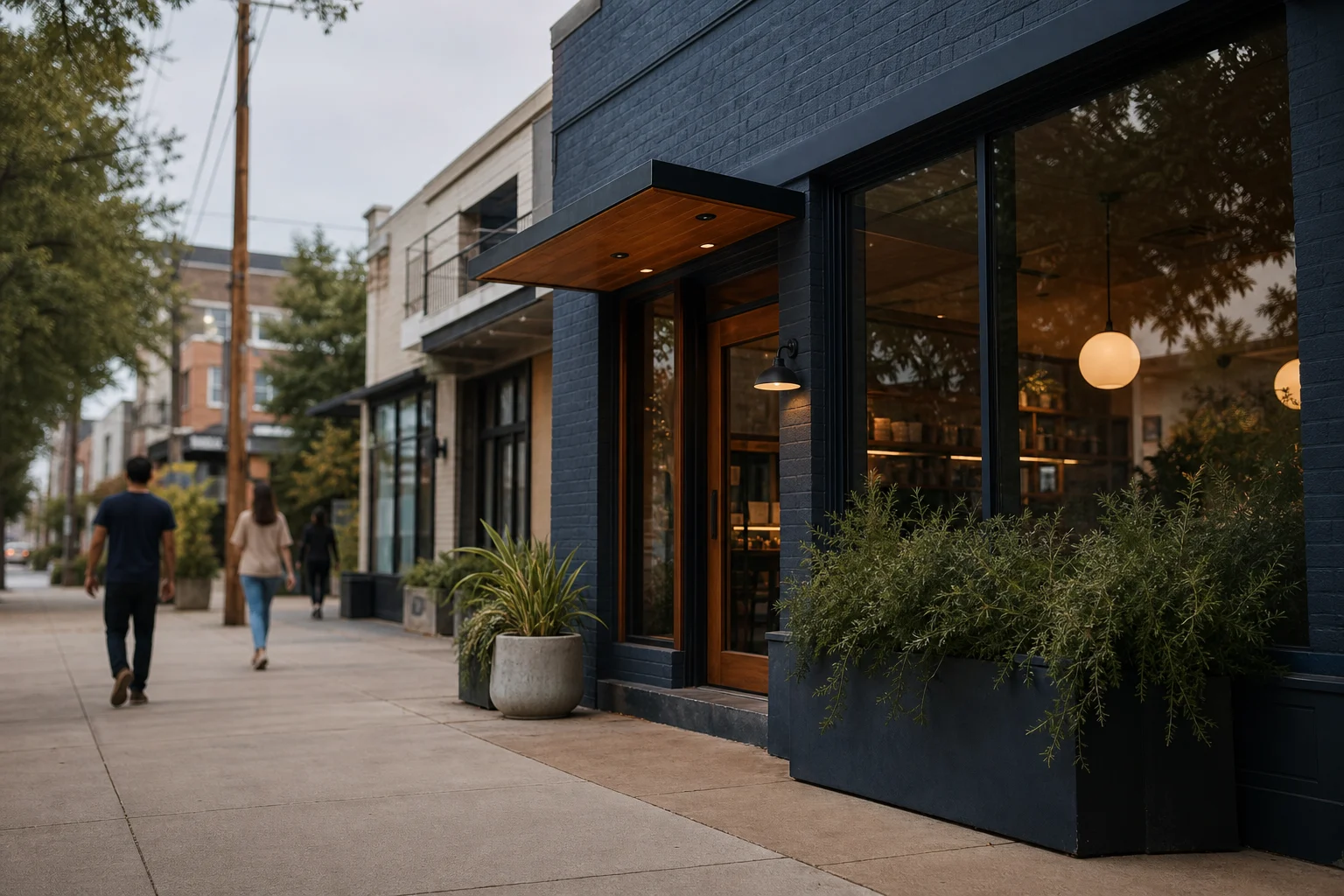
Equipment categories by launch format
Your dessert shop's format will significantly influence your equipment requirements. Detroit's market supports various dessert concepts, each with distinct equipment needs. A traditional bakery format requires specialized ovens, proofing cabinets, and display cases. Ice cream shops need batch freezers, dipping cabinets, and hardening cabinets. Café-style dessert operations prioritize beverage equipment alongside dessert preparation stations.
Detroit's Top 3 areas offer different market characteristics that should inform your format decision. Downtown Detroit (6.5/10) delivers the strongest foot-traffic and office-worker density in the city. Expect roughly $30-50/sqft NNN. No direct dessert-specialty competitors within the search radius, but Astoria Pastry Shop (4.5★, 2,552 reviews) and Dessert Oasis Coffee Roasters (4.6★, 978 reviews) are adjacent operators within 600m.
Lafayette Park (6.3/10) offers a stable residential base with strong walkability. Expect roughly $30-50/sqft NNN. Office density is maxed out (same downtown employment pool), and daytime population is at ceiling. The residential density is above-average — you'd draw from both office workers and nearby residents. No direct dessert-specialty competitors.
Corktown (6.2/10) features a historic Irish-American neighborhood seeing reinvestment around Ford's Michigan Central Station redevelopment. Expect roughly $30-50/sqft NNN. Office density is above-average but not maxed out. One direct competitor exists: Detroit Mini Donut (4.7★, 3 reviews — unproven). Momento Gelato and Coffee (4.7★, 338 reviews) covers gelato territory.
Buildout assumptions that change the budget
Buildout assumptions significantly impact your equipment planning and budget. Detroit's rent level is low, which can offset some buildout costs, but the specific condition of your chosen space will determine necessary improvements. A new buildout from the studs requires comprehensive planning for utilities, ventilation, and specialized installations.
In Detroit's Top 3 areas, you'll find different buildout scenarios. Downtown Detroit spaces may require more extensive buildout due to higher foot traffic expectations and potentially older infrastructure. Lafayette Park's stable residential base might offer more turnkey options with existing utilities configured for food service. Corktown's historic buildings present unique challenges with older systems that may require specialized equipment to accommodate.
The market temperature in Detroit is mixed, which means you have some flexibility in negotiating buildout allowances with landlords. Consider whether you'll need to install three-compartment sinks, exhaust systems, or specialized refrigeration based on your menu and format. These requirements can significantly impact your equipment budget and timeline.
New vs used equipment tradeoffs
The decision between new and used equipment involves careful consideration of your budget constraints, timeline, and risk tolerance. New equipment offers the latest technology, full warranties, and energy efficiency, but comes with a higher upfront cost. Used equipment can provide significant cost savings but may come with maintenance issues and shorter lifespans.
Detroit's low rent level provides some budget flexibility for equipment investment. However, the mixed market temperature suggests a cautious approach to capital expenditures. In Downtown Detroit, where foot traffic is highest, investing in reliable new equipment might be justified by the potential revenue. In Lafayette Park and Corktown, where competition density is lower, used equipment might present a more viable option to maintain profitability.
Consider the total cost of ownership when evaluating new versus used equipment. Energy efficiency, maintenance requirements, and warranty coverage all factor into long-term costs. Detroit's varying climate conditions also impact equipment needs, particularly refrigeration and HVAC systems that must handle both hot summers and cold winters.
What to inspect in a second-generation space
When evaluating a second-generation space in Detroit, thorough equipment inspection is crucial. Existing equipment can provide significant cost savings, but only if it's in good working condition and suitable for your specific needs. Look for signs of proper maintenance, recent repairs, and compatibility with your planned menu.
In Downtown Detroit, where spaces may have housed previous food service operations, inspect existing equipment for signs of heavy use. Check refrigeration systems for consistent temperature control, ovens for even heating, and mixers for motor wear. Lafayette Park's residential-focused spaces might have equipment better suited for lower-volume operations, while Corktown's historic buildings may contain specialized equipment that requires adaptation.
Before committing to a space with existing equipment, verify that all equipment meets current health codes and safety standards. Detroit's health department requirements can be specific, particularly regarding ventilation, grease traps, and flooring materials. Factor potential equipment upgrades or replacements into your budget when evaluating second-generation spaces.
FAQ
What equipment do I need for A Dessert Shop in Detroit?
Your dessert shop equipment needs depend on your specific format. Essential categories include refrigeration (reach-in coolers, freezers, display cases), preparation equipment (mixers, sheeters, work tables), baking equipment (ovens, proofing cabinets), serving equipment (dishes, utensils, display), and point-of-sale systems. Detroit's market supports various dessert concepts, so prioritize equipment that aligns with your specific menu and service style.
How does Detroit's market temperature affect equipment planning?
Detroit's mixed market temperature provides both opportunities and challenges. The low rent level offers budget flexibility for equipment investment, while the medium competition density means you can differentiate through specialized equipment. Consider your timeline carefully, as market conditions may affect equipment availability and pricing.
What equipment considerations are specific to Detroit's climate?
Detroit experiences significant seasonal temperature variations, which impacts equipment needs. Your refrigeration systems must handle both hot summers and cold winters, while HVAC systems should maintain consistent temperatures regardless of external conditions. Additionally, consider how weather affects customer flow and whether outdoor equipment or seating might be viable during certain seasons.
How should I prioritize equipment purchases for my Detroit dessert shop?
Prioritize equipment based on your core menu items and service style. Start with essential equipment that directly impacts product quality and efficiency, then expand to supporting items as your business grows. Detroit's Top 3 areas offer different market characteristics that should inform your priorities—Downtown Detroit might emphasize high-volume equipment, while Lafayette Park and Corktown might focus on specialized items that differentiate your offering.
Can I negotiate equipment allowances with Detroit landlords?
Detroit's low rent level provides some leverage for negotiating buildout and equipment allowances. Many landlords offer tenant improvement allowances, particularly in competitive areas like Downtown Detroit. Lafayette Park's stable residential base and Corktown's reinvestment areas might present different negotiation opportunities. Be prepared to demonstrate how your business will contribute to the neighborhood's vitality when discussing equipment allowances.
Last reviewed: 2026-05-08
Sources: U.S. Census Bureau ACS, LEHD LODES, Google Places, OpenStreetMap, Locavisor neighborhood scoring.
Methodology: Locavisor scores neighborhoods across demand, competition fit, rent fit, accessibility, and customer match. Scores reflect a snapshot of recent data and should be combined with on-the-ground research before lease decisions.
Disclaimer: This article provides informational content only and does not constitute legal, financial, accounting, or real-estate advice. Verify lease terms, licensing, local regulations, costs, and professional requirements with qualified local professionals before making business decisions.
Free preview shows top 3 neighborhoods. Full $9.99 report covers all 10 areas with personalized scoring + 90-day check-ins.
Informational only. Verify lease, licensing, local regulations, costs, and professional requirements with qualified local professionals.