Fort Worth, TX · dessert shop
Dessert shop equipment costs Fort Worth
Opening a dessert shop in Fort Worth requires careful planning around equipment and buildout costs. The equipment you choose will directly impact your operational efficiency, product quality, and overall startup budget. Fort Worth's competitive dessert market, with established players like Insomnia Cookies and FunkyTown Donuts and Drafts, means you need to make smart equipment decisions that balance quality with cost-effectiveness.
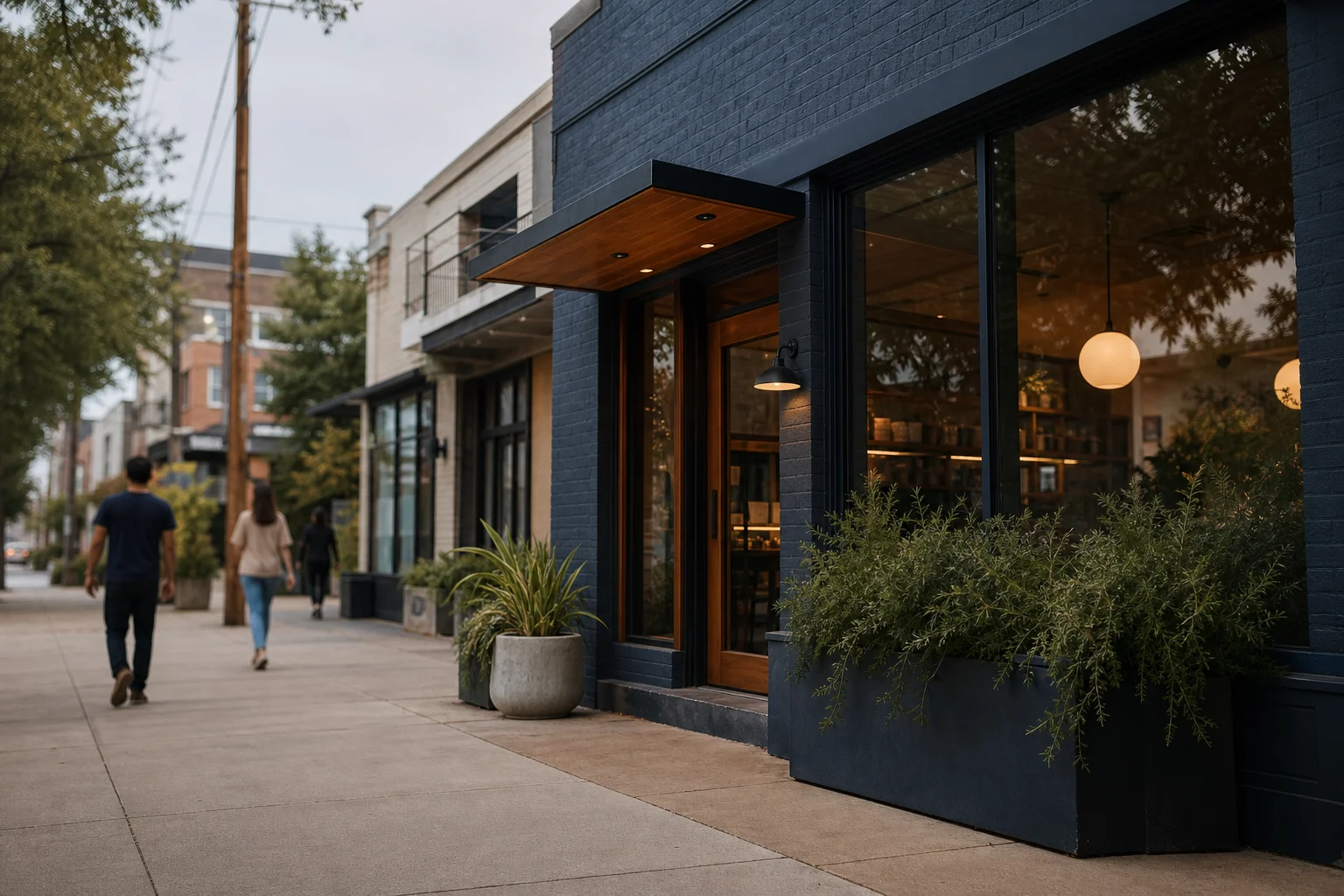
What equipment do you need to open a dessert shop in Fort Worth?
The core equipment for a dessert shop typically includes refrigeration units, display cases, preparation tables, ovens, mixers, and specialized tools for your specific dessert offerings. For a Fort Worth location, you'll need to consider the local climate and customer preferences when selecting equipment. The city's hot summers mean reliable refrigeration is non-negotiable, while the presence of college students in areas like TCU Campus/University Place suggests late-night operations might be viable, requiring durable equipment that can handle extended hours.
Your equipment list should start with the essentials:
- Commercial refrigerators and freezers
- Display cases for showcasing desserts
- Preparation tables with adequate workspace
- Ovens and mixers appropriate for your menu
- Specialty equipment for your signature items
The specific equipment you need will depend on your concept. A gelato shop will require different equipment than a bakery or a dessert bar. Research what successful local operators are using - for example, FunkyTown Donuts and Drafts in Sundance Square likely has specialized equipment for their donut and draft beer offerings, while Insomnia Cookies in TCU Campus/University Place focuses on cookie-making equipment.
Buildout cost categories
Plumbing and electrical
Plumbing and electrical work represents a significant portion of your buildout costs. In Fort Worth, you'll need to factor in the city's building codes and the specific requirements of your chosen neighborhood. Areas like Sundance Square and the Cultural District have older buildings that may require more extensive electrical upgrades to support commercial kitchen equipment.
Your electrical system must handle the load of commercial refrigeration, ovens, and other high-power equipment. This often means upgrading from standard residential wiring to commercial-grade systems. Plumbing needs will depend on your menu - if you're serving ice cream or gelato, you'll need specialized drains and possibly a three-compartment sink for health code compliance.
HVAC and ventilation
Fort Worth's hot climate makes proper HVAC and ventilation critical for both customer comfort and equipment longevity. Commercial kitchens generate significant heat, and without adequate ventilation, your space can become uncomfortable for customers and staff while potentially shortening the lifespan of your equipment.
The ventilation system must meet local building codes and may require a commercial-grade hood depending on your cooking equipment. This is particularly important in neighborhoods like the Stockyards, where historic buildings may have specific ventilation requirements.
Flooring and finishes
Your flooring choice impacts both safety and durability. Commercial kitchen flooring must be slip-resistant, easy to clean, and able to withstand heavy foot traffic and dropped equipment. In Fort Worth's variable climate, consider how flooring will perform in both extreme heat and potential water exposure.
Finishes should be selected with durability in mind. High-traffic areas like the TCU Campus/University Place neighborhood, with its student population, will require more robust finishes than a location in a quieter residential area.
Permits-driven items
Building permits in Fort Worth will dictate several aspects of your buildout. You'll need to work with the city to ensure your equipment installation meets all local codes. This may include specific requirements for fire suppression systems, especially if you're using open-flame cooking equipment.
Health department permits will also influence your equipment choices, particularly around food storage and preparation surfaces. In areas like the Cultural District, with UNT Health Fort Worth nearby, you'll want to ensure your setup meets or exceeds health standards.
Furniture and signage
While not strictly equipment, furniture and signage are essential buildout elements that impact customer experience. In Fort Worth's competitive dessert market, your interior design and branding will help differentiate you from established players like A & H Donuts in the Cultural District.
Consider how your furniture layout will accommodate both customer flow and operational efficiency. Signage should be visible from the street, especially in busy areas like Berry Street/TCU adjacent, where foot traffic from students and mall visitors can drive business.
Equipment line items to validate in Fort Worth
When planning your equipment purchases, focus on items that directly impact your ability to deliver quality desserts in a Fort Worth context. The local climate means refrigeration reliability is paramount - you can't afford equipment failures during Fort Worth's hot summers.
Display cases are your silent salespeople. In neighborhoods like Sundance Square, where foot traffic includes both locals and tourists, an attractive, well-lit display can significantly impact impulse purchases. Consider energy-efficient models that can handle the temperature fluctuations of Fort Worth's variable weather.
Preparation equipment should match your menu complexity. If you're offering custom creations, invest in versatile mixers and portioning tools. For simpler menus, focus on reliability over features. Look at what successful local operators are using - Josey's Cookie Co in TCU Campus/University Place likely has streamlined equipment for their cookie offerings.
How established operators in Fort Worth configure their kitchens
Studying existing dessert shops provides valuable insights into equipment that works in Fort Worth's market. Insomnia Cookies in TCU Campus/University Place likely has a streamlined setup optimized for cookie production, with equipment scaled to handle late-night student demand. Their 3.7-star rating suggests they've found a balance between equipment quality and operational efficiency.
FunkyTown Donuts and Drafts in Sundance Square, with its 4.3-star rating, probably has a more complex setup to handle both donut production and beverage service. Their success in a prime downtown location suggests they've invested in equipment that supports their dual concept while maintaining quality.
A & H Donuts in the Cultural District, with its 4.8-star rating, likely has equipment optimized for high-volume donut production. Their location near UNT Health Fort Worth means they may have tailored their setup to serve both healthcare professionals and visitors to the nearby museums.
These established operators demonstrate that equipment choices should align with your concept, location, and target customer base. A dessert shop in the Stockyards might emphasize rustic, traditional equipment to match the neighborhood's historic character, while one in Sundance Square could opt for more modern, sleek equipment to appeal to a younger demographic.
Equipment considerations by Fort Worth neighborhood
| Neighborhood | Key Considerations | Typical Customer Base | Equipment Focus |
|---|---|---|---|
| TCU Campus/University Place (6.1/10) | Late-night operations, student traffic | College students, young adults | Reliable, efficient equipment for extended hours |
| Berry Street/TCU adjacent (6.1/10) | Mall and street foot traffic | Students, families, shoppers | Versatile display cases, quick-service equipment |
| Stockyards (6.1/10) | Tourist destination, historic area | Tourists, locals, event attendees | Durable, traditional-style equipment |
| Sundance Square (6.0/10) | Downtown business and entertainment | Professionals, tourists, evening crowds | High-volume, visually appealing equipment |
| Cultural District (5.6/10) | Museum and healthcare proximity | Cultural visitors, healthcare workers | Efficient, clean-design equipment |
Used vs. new vs. lease
When acquiring equipment for your Fort Worth dessert shop, consider the pros and cons of used, new, and leased options. Used equipment can save money upfront but may come with higher maintenance costs and shorter lifespans - a significant concern in Fort Worth's hot climate where equipment stress is greater.
New equipment offers reliability and warranty protection but comes with a higher initial investment. For critical equipment like refrigeration, the peace of mind of a warranty may be worth the extra cost, especially when operating in Fort Worth's extreme temperatures.
Leasing equipment provides flexibility and lower upfront costs, which can be advantageous when testing a new concept in Fort Worth's competitive market. However, leasing typically results in higher long-term costs, so consider this option carefully based on your cash flow projections.
The right choice depends on your budget, risk tolerance, and how quickly you expect to scale. Many successful Fort Worth dessert shop owners start with a mix - leasing high-cost, rapidly depreciating items while purchasing essential, long-lasting equipment outright.
Buildout timeline
Your buildout timeline will depend on several factors specific to Fort Worth, including permit processing times and contractor availability. In busy areas like TCU Campus/University Place, contractor demand may extend your timeline compared to less competitive neighborhoods.
The equipment ordering process should begin early, as lead times can vary significantly between manufacturers. For time-sensitive openings, consider keeping some core equipment in stock or choosing models with shorter lead times.
Permit approval in Fort Worth can take several weeks, so factor this into your timeline. Working with experienced local contractors who understand the city's processes can help streamline this phase.
Common buildout overruns
Many dessert shop owners in Fort Worth encounter unexpected costs during buildout. Common overruns include:
- Electrical upgrades beyond initial estimates, especially in older buildings
- Plumbing surprises, such as outdated pipes that need replacement
- Equipment delivery delays that impact your timeline
- Permit-related changes requiring additional work
- Unforeseen structural issues in your chosen space
To mitigate these risks, build contingency funds into your budget and work with experienced contractors familiar with Fort Worth's building landscape. Researching what local operators like Insomnia Cookies and FunkyTown Donuts and Drafts experienced during their buildouts can provide valuable insights.
FAQ
What's the typical rent range for dessert shop spaces in Fort Worth?
According to Locavisor research, dessert shop spaces in Fort Worth's top neighborhoods fall within a $25-$85/sqft/yr NNN rent band. This range applies to areas like TCU Campus/University Place (score 6.1/10), Berry Street/TCU adjacent (6.1/10), Stockyards (6.1/10), Sundance Square (6.0/10), and Cultural District (5.6/10).
How does Fort Worth's climate affect dessert shop equipment needs?
Fort Worth's hot summers and variable weather require robust refrigeration systems and climate-controlled storage. Equipment must be able to maintain consistent temperatures despite outdoor temperature fluctuations, which can be extreme. Proper ventilation and HVAC systems are also critical for both customer comfort and equipment longevity.
What permits do I need to open a dessert shop in Fort Worth?
You'll need building permits from the City of Fort Worth for any construction or major renovations, plus health department permits for food service operations. Specific requirements may vary based on your location and the extent of your buildout. Always verify current requirements with the appropriate city and county agencies.
Last reviewed: 2026-05-30
Sources: U.S. Census Bureau ACS, LEHD LODES, Google Places, OpenStreetMap, Locavisor neighborhood scoring.
Methodology: Locavisor scores neighborhoods across demand, competition fit, rent fit, accessibility, and customer match. Scores reflect a snapshot of recent data and should be combined with on-the-ground research before lease decisions.
Disclaimer: This article provides informational content only and does not constitute legal, financial, accounting, or real-estate advice. Verify lease terms, licensing, local regulations, costs, and professional requirements with qualified local professionals before making business decisions.
Free preview shows top 3 neighborhoods. Full $9.99 report covers all 10 areas with personalized scoring + 90-day check-ins.
Informational only. Verify lease, licensing, local regulations, costs, and professional requirements with qualified local professionals.