Minneapolis, MN · dessert shop
Dessert shop equipment costs Minneapolis
When planning a dessert shop in Minneapolis, understanding equipment costs is crucial for your startup budget. The right equipment choices depend on your specific format, location, and business model. Minneapolis offers several promising neighborhoods for dessert entrepreneurs, each with unique characteristics that impact equipment needs and buildout requirements.
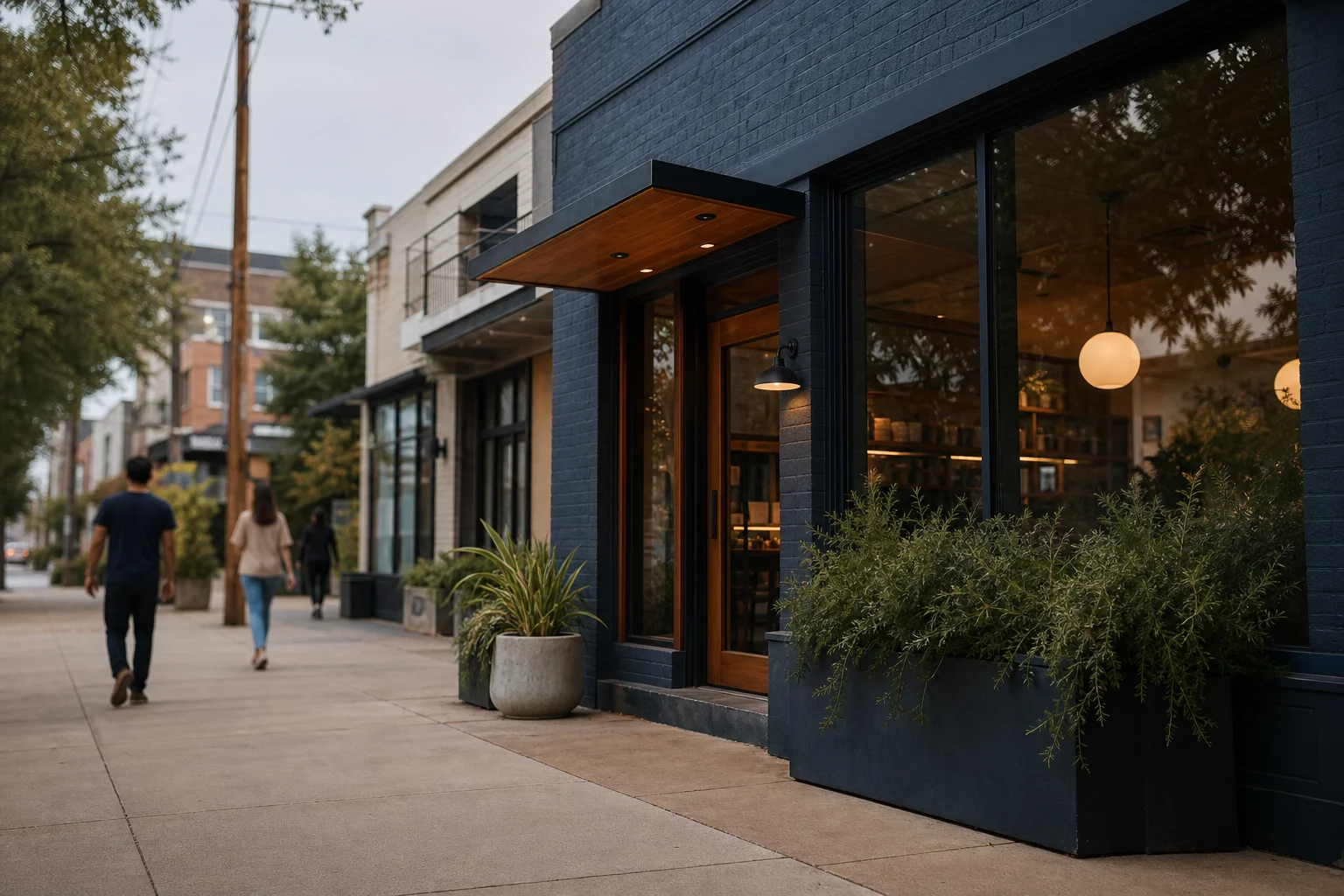
Equipment Categories by Launch Format
The equipment needs for a dessert shop in Minneapolis vary significantly based on your chosen format. Whether you're planning a full-service café with seating, a counter-service operation, or a specialized dessert boutique, your equipment requirements will differ substantially.
For a full-service dessert café in Minneapolis, you'll need comprehensive kitchen equipment including mixers, ovens, refrigeration units, and display cases. The Dinkytown area, with its student density and walkability, supports this format well despite having two direct competitors (Insomnia Cookies at 4.3★/774 reviews, Bober Tea & Mochi Dough at 4.3★/341 reviews). Your equipment investment here should focus on durability and capacity to handle peak hours.
Counter-service dessert shops require different equipment priorities. In Stadium Village, which ranks just behind Dinkytown with a near-identical student profile but zero direct dessert competitors, you might prioritize efficient workflow equipment that supports quick service. The TCF Bank Stadium / light-rail node location means you'll need equipment that can handle high-volume periods during game days and academic events.
Specialized dessert boutiques, focusing on items like custom cakes or artisanal desserts, require precision equipment. Cedar-Riverside, with its diverse residential population and proximity to Augsburg University and the U of M West Bank, supports this format well. The absence of direct dessert competitors here means you can invest in specialized equipment that sets your offerings apart from nearby bakery-adjacent businesses like Rebecca's Bakery & Cafe (4.8★, 528 reviews).
Buildout Assumptions That Change the Budget
Buildout requirements significantly impact your equipment budget for a Minneapolis dessert shop. The physical condition of your chosen space determines how much you'll need to invest in construction before equipment installation.
In Dinkytown, where rent levels are low, you might find spaces that require substantial buildout. The existing dessert competitors suggest that previous tenants may have specialized equipment that won't suit your concept. Budget for potential modifications to electrical systems, ventilation, and plumbing to support your specific equipment needs.
Stadium Village spaces, with similar rent levels ($30-50/sqft NNN), may offer different buildout challenges. The proximity to TCF Bank Stadium means you'll need to consider equipment that can handle high-volume periods during game days and academic events. Your buildout should prioritize workflow efficiency to manage these peak times effectively.
Cedar-Riverside presents a different buildout scenario. The diverse residential population and strong transit access via the Cedar-Riverside light-rail station suggest different operational patterns. Your buildout should consider equipment that can handle varying customer flows throughout the day, potentially requiring more flexible kitchen arrangements than in other neighborhoods.
New vs Used Equipment Tradeoffs
The decision between new and used equipment impacts your initial investment and long-term operational costs for a Minneapolis dessert shop. Each neighborhood presents different considerations for this tradeoff.
In Dinkytown, with its established dessert market, used equipment might offer cost savings but comes with risks. The existing competitors likely have similar equipment needs, meaning the used market might have dessert-specific equipment available. However, the high student density means your equipment will see heavy use, potentially making new equipment a better long-term investment despite higher upfront costs.
Stadium Village's lack of direct dessert competitors means the used equipment market might be less specialized for dessert operations. New equipment could provide more reliable performance during the high-volume periods associated with game days and academic events. The rent level ($30-50/sqft NNN) suggests you might have budget flexibility to invest in new equipment that supports your operational needs.
Cedar-Riverside's diverse residential population creates different equipment considerations. The absence of direct dessert competitors means you might need to source equipment from adjacent businesses like bakeries. Used equipment from these businesses could offer specialized functionality at lower costs, but you'll need to carefully evaluate whether this equipment meets your specific dessert production requirements.
What to Inspect in a Second-Generation Space
When considering a second-generation space for your Minneapolis dessert shop, thorough inspection of existing equipment and infrastructure is essential. Each neighborhood presents unique considerations for these inspections.
In Dinkytown, where two direct dessert competitors already operate, inspecting existing equipment becomes particularly important. The previous tenants likely had similar equipment needs, meaning the space might already have suitable infrastructure. However, you'll need to verify that existing equipment meets current health codes and can be adapted to your specific dessert production methods.
Stadium Village spaces, with no direct dessert competitors, may require more extensive equipment evaluation. The TCF Bank Stadium / light-rail node location means the space might have been used for different types of food service. You'll need to assess whether existing equipment can handle dessert-specific requirements or if substantial modifications will be necessary.
Cedar-Riverside's second-generation spaces present different inspection challenges. The proximity to Augsburg University and the U of M West Bank means previous tenants might have served different customer demographics. You'll need to evaluate whether existing equipment can support the diverse customer base and whether any specialized dessert production capabilities are already in place.
FAQ
What equipment do I need for A Dessert Shop in Minneapolis?
The equipment needed for a dessert shop in Minneapolis depends on your specific format and location. For a full-service café, you'll need comprehensive kitchen equipment including mixers, ovens, refrigeration units, and display cases. Counter-service operations prioritize efficient workflow equipment, while specialized dessert boutiques require precision equipment for specific items.
In Dinkytown, where student density is high and walkability is excellent, your equipment should handle heavy usage during peak hours. Stadium Village, with its proximity to TCF Bank Stadium, requires equipment that can manage high-volume periods during game days and academic events. Cedar-Riverside, with its diverse residential population, needs equipment that can handle varying customer flows throughout the day.
Regardless of location, essential equipment categories typically include refrigeration, preparation surfaces, mixing equipment, baking ovens, display cases, and point-of-sale systems. The specific equipment within each category depends on your menu offerings and service model.
Last reviewed: 2026-05-08
Sources: U.S. Census Bureau ACS, LEHD LODES, Google Places, OpenStreetMap, Locavisor neighborhood scoring.
Methodology: Locavisor scores neighborhoods across demand, competition fit, rent fit, accessibility, and customer match. Scores reflect a snapshot of recent data and should be combined with on-the-ground research before lease decisions.
Disclaimer: This article provides informational content only and does not constitute legal, financial, accounting, or real-estate advice. Verify lease terms, licensing, local regulations, costs, and professional requirements with qualified local professionals before making business decisions.
Free preview shows top 3 neighborhoods. Full $9.99 report covers all 10 areas with personalized scoring + 90-day check-ins.
Informational only. Verify lease, licensing, local regulations, costs, and professional requirements with qualified local professionals.