New York, NY · dessert shop
Dessert shop equipment costs New York
Planning your dessert shop equipment costs in New York requires careful consideration of your specific format, location, and operational needs. The right equipment setup forms the backbone of your dessert business, directly impacting production capacity, menu offerings, and customer experience. New York's diverse neighborhoods present different opportunities and challenges for dessert shop operators, with Harlem emerging as the top location based on Locavisor neighborhood scoring.
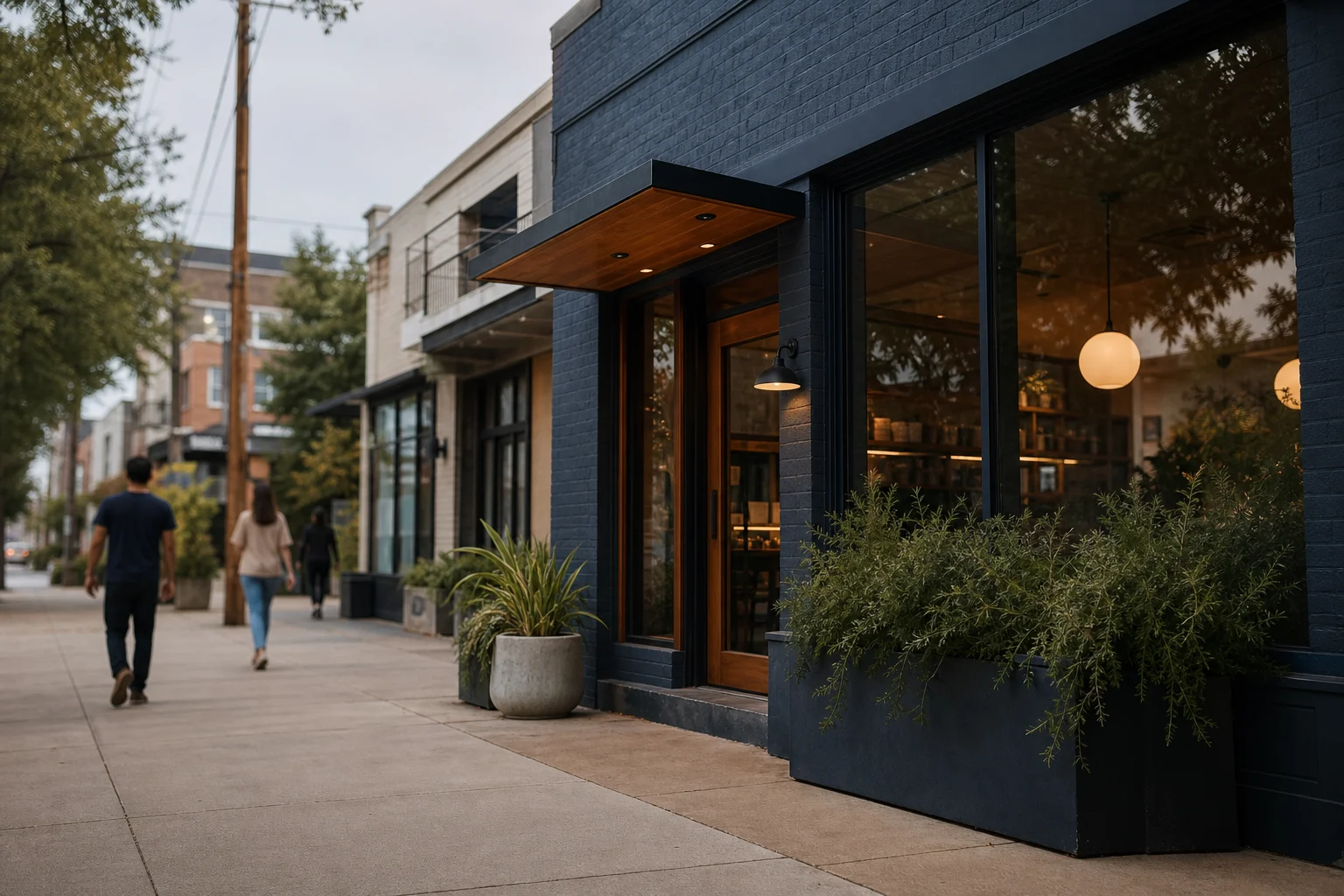
When evaluating potential locations, three neighborhoods stand out for dessert shop entrepreneurs. Harlem (6.4/10) offers the highest overall score, with its 125th St corridor delivering top-ranked fit for dessert-specialty businesses. The evening daypart performance is near-ceiling, local vibrancy is strong, and daytime population density is maxed out—meaning impulse traffic from 3-9pm, the critical dessert window, is substantial. Rent runs roughly $30-50/sqft NNN, making it workable for medium-budget operators. Astoria (6.1/10) ranks second with perfect competitionFit and rentFit scores. The 30th Ave / Broadway corridor features strong walkability, excellent evening daypart performance, and a dense residential base with roughly 8,000 potential repeat households within 800m. Rent matches Harlem at $30-50/sqft NNN. Sunset Park (6.0/10) offers the most budget-friendly option with rents of roughly $20-35/sqft NNN. Its 8th Ave Chinatown corridor provides strong walkability and a dense residential base, with roughly 10,500 weekday workers within 800m near Industry City.
Equipment categories by launch format
Your dessert shop's equipment needs will vary significantly based on your chosen format. A counter-service operation requires different equipment than a full-service dessert café with seating. Consider how your menu and service model will shape your equipment requirements.
Refrigeration represents one of your largest equipment investments regardless of format. You'll need reach-in refrigerators for ingredient storage, possibly a prep table for easy access to frequently used items, and potentially a display case for showcasing your desserts. The size and capacity of these units should align with your anticipated volume and menu complexity.
Production equipment forms the heart of your dessert operation. This includes mixers, ovens, freezers, and specialized tools for your specific dessert offerings. A bakery-focused shop needs different equipment than one specializing in ice cream or gelato. Your production capacity should match both your initial menu and your growth plans.
Point-of-sale systems are critical for smooth operations. Beyond the basic cash register, consider whether you need inventory management features, customer relationship tracking, or online ordering capabilities. The right POS system can streamline operations and provide valuable business insights.
Customer-facing equipment includes display cases, serving utensils, and potentially seating furniture. The aesthetic and functionality of these elements contribute to the overall customer experience and should align with your brand positioning.
Buildout assumptions that change the budget
The condition of your commercial space significantly impacts your buildout requirements and budget. A second-generation space with existing utilities may require less construction than a raw shell, but modifications might still be needed to meet your specific operational requirements.
Plumbing considerations are particularly important for dessert shops. You'll need adequate water supply, drainage for cleaning, and potentially specialized plumbing for equipment like ice cream machines or dishwashers. The existing plumbing infrastructure will determine the extent of modifications needed.
Electrical requirements can vary dramatically based on your equipment needs. High-power appliances like ovens, freezers, and mixers may require dedicated circuits or even electrical upgrades. The existing electrical capacity of your space will influence your equipment options and operational capabilities.
Ventilation systems are crucial for both customer comfort and regulatory compliance. Cooking equipment, even for dessert applications, may require hood systems. The existing ventilation infrastructure will determine what modifications are necessary.
Flooring choices impact both aesthetics and functionality. Commercial-grade flooring that can withstand moisture, temperature fluctuations, and heavy foot traffic is essential. The condition of existing flooring will factor into your renovation budget.
New vs used equipment tradeoffs
Choosing between new and used equipment involves weighing multiple factors beyond just upfront costs. New equipment typically comes with manufacturer warranties, the latest technology, and energy efficiency benefits. However, the higher initial investment may strain your startup capital.
Used equipment offers significant cost savings but comes with potential risks. Older units may have shorter remaining lifespans, higher maintenance needs, and greater energy consumption. The availability of compatible used equipment for your specific dessert applications may also be limited.
Consider the total cost of ownership when evaluating equipment options. Energy-efficient new equipment may save money over time despite higher upfront costs. Similarly, well-maintained used equipment might offer reliable service with lower operating expenses than budget new options.
Equipment financing options may differ between new and used purchases. Some lenders offer better terms for new equipment, while others specialize in used equipment financing. Your financing options will influence the overall affordability of your equipment choices.
Lead times for equipment delivery can impact your opening timeline. New equipment typically has predictable delivery schedules, while used equipment availability may be uncertain. The timing of your equipment acquisition should align with your buildout and opening schedule.
What to inspect in a second-generation space
When evaluating existing commercial spaces for your dessert shop, thorough inspection of existing conditions can prevent unexpected expenses and operational challenges. Pay special attention to elements that directly impact your equipment needs and operational efficiency.
Examine existing utility infrastructure carefully. Check the capacity and condition of electrical systems, particularly for high-demand equipment. Assess plumbing connections for adequacy and compatibility with your planned equipment. Verify that gas lines (if needed) are properly sized and in good condition.
Evaluate the existing layout for workflow efficiency. Consider how the current space configuration supports your production flow, customer service areas, and storage needs. Identify structural elements that may limit your layout options or require costly modifications.
Inspect flooring conditions thoroughly. Commercial kitchens require durable, non-slip flooring that can withstand moisture and temperature changes. Look for signs of water damage, uneven surfaces, or materials that may not meet health code requirements.
Assess existing ventilation and exhaust systems. These systems must meet health code requirements for your specific equipment and operations. Check for proper installation, adequate capacity, and compliance with local regulations.
Examine storage conditions and potential. Evaluate existing storage areas for capacity, accessibility, and environmental control. Consider whether modifications are needed to create appropriate storage for ingredients, supplies, and finished products.
FAQ
What equipment do I need for A Dessert Shop in New York?
The essential equipment for a dessert shop in New York includes refrigeration units for ingredient storage and display, production equipment specific to your dessert offerings (mixers, ovens, freezers, etc.), point-of-sale systems, and customer-facing display cases. Your specific equipment needs will depend on your format (counter-service, full-service, etc.), menu offerings, and production volume. Additionally, you'll need appropriate ventilation, plumbing, and electrical systems to support your operations. When selecting equipment, consider both your startup budget and long-term operational needs, including energy efficiency and maintenance requirements.
Last reviewed: 2026-05-08
Sources: U.S. Census Bureau ACS, LEHD LODES, Google Places, OpenStreetMap, Locavisor neighborhood scoring.
Methodology: Locavisor scores neighborhoods across demand, competition fit, rent fit, accessibility, and customer match. Scores reflect a snapshot of recent data and should be combined with on-the-ground research before lease decisions.
Disclaimer: This article provides informational content only and does not constitute legal, financial, accounting, or real-estate advice. Verify lease terms, licensing, local regulations, costs, and professional requirements with qualified local professionals before making business decisions.
Free preview shows top 3 neighborhoods. Full $9.99 report covers all 10 areas with personalized scoring + 90-day check-ins.
Informational only. Verify lease, licensing, local regulations, costs, and professional requirements with qualified local professionals.