Portland, OR · dessert shop
Dessert shop equipment costs Portland
Planning your dessert shop equipment costs in Portland requires careful consideration of both your business format and location. The right equipment choices impact both initial investment and ongoing operational efficiency. Portland's dessert scene presents unique opportunities and challenges that founders must navigate when planning their buildout and equipment needs.
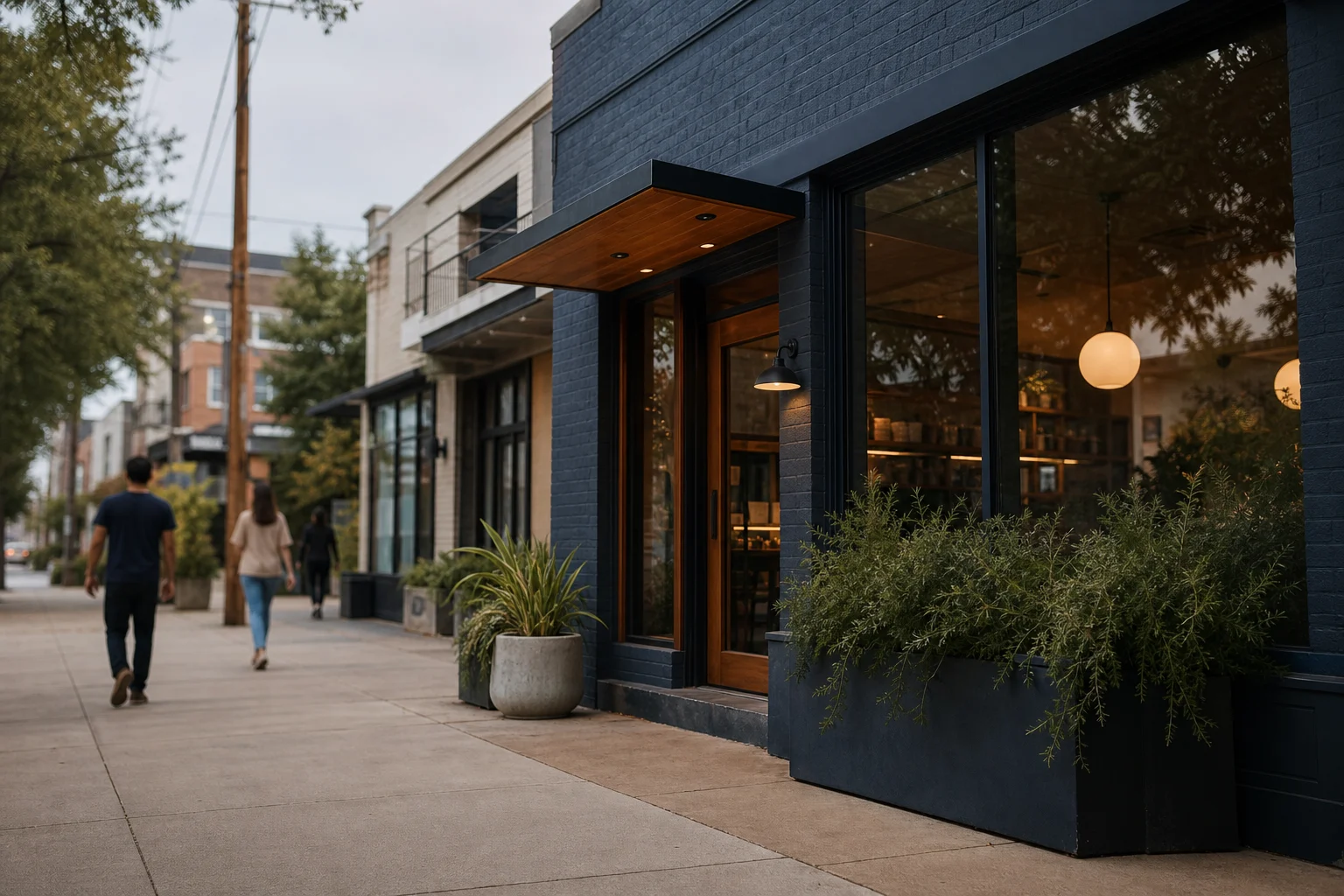
Equipment categories by launch format
Your dessert shop format determines the equipment categories you'll need to budget for. Portland's market temperature is mixed, with medium competition density and low rent levels, creating a landscape where equipment choices directly impact your ability to compete effectively.
Counter-service dessert shops require a streamlined approach to equipment. You'll need display cases for showcasing your products, refrigeration for ingredients, and preparation stations. The limited footprint common in Portland's urban areas means multi-functional equipment becomes essential. Downtown (5.9/10) and Goose Hollow (5.9/10) both offer strong walkability and tourist traffic, making display quality particularly important in these areas.
Full-service dessert shops demand more extensive equipment inventories. Beyond display and refrigeration, you'll need baking ovens, mixers, prep tables, and dishwashing systems. The dense residential population in Downtown Portland around Pioneer Courthouse Square supports this format, as does the Providence Park event traffic in Goose Hollow. St. Johns (5.6/10) offers a moderate residential base with above-average office density, making it suitable for a hybrid service model.
Mobile dessert operations present a different equipment profile. Portland's food cart culture is well-established, requiring specialized mobile equipment that meets health department requirements while maintaining product quality. The bus-only transit access in St. Johns might limit this format's reach compared to the MAX light rail access available in Downtown and Goose Hollow.
Buildout assumptions that change the budget
Buildout assumptions significantly impact your equipment budget for a Portland dessert shop. The rent level across all three top areas is moderate at roughly $30-50/sqft NNN, but the buildout requirements can vary dramatically based on your chosen space.
New construction spaces offer blank-slate potential but come with higher initial costs. You'll need to budget for plumbing, electrical, ventilation, and flooring installations that meet Portland's building codes. The 72% score confidence in Locavisor neighborhood scoring suggests that while rent levels are predictable, buildout costs can be less certain.
Second-generation spaces often come with existing infrastructure that can reduce buildout expenses. However, you must carefully evaluate whether existing systems meet your equipment requirements. The Blue Star Donuts location in Goose Hollow, just 103m from the centroid with 3,650 reviews, demonstrates how existing equipment in a competitive area might need significant upgrades to meet modern standards.
The market temperature being mixed means you have some flexibility in buildout timing. You can phase equipment purchases as your revenue grows, but this approach requires careful cash flow management. The medium competition density suggests that while there's room for new entrants, differentiation through equipment quality and presentation will be crucial.
New vs used equipment tradeoffs
The decision between new and used equipment represents a significant tradeoff in your Portland dessert shop budget. Each option presents distinct advantages and challenges that align with different business strategies.
New equipment offers reliability, warranty protection, and energy efficiency. Modern equipment often features the latest technology that can improve production speed and consistency. The low rent levels in Portland's top areas make it possible to allocate more of your budget to quality new equipment. However, the initial investment is substantially higher, which can strain startup capital.
Used equipment provides immediate cost savings that can be redirected to other business areas. Portland's established food service market means quality used equipment is available from businesses that have closed or upgraded. The medium competition density suggests that while you can save money with used equipment, you'll need to ensure it meets the quality standards of competitors like Blue Star Donuts.
The tradeoff extends beyond initial costs to maintenance and replacement schedules. Used equipment may require more frequent repairs and have a shorter useful life, potentially increasing long-term expenses. The 2026-05 data snapshot suggests that while rent levels are predictable, equipment maintenance costs can be more variable.
When evaluating used equipment, prioritize items with documented maintenance history and avoid equipment that requires specialized parts no longer in production. The MAX light rail access in Downtown and Goose Hollow means delivery of larger equipment pieces will be more convenient than in St. Johns, where transit access is bus-only.
What to inspect in a second-generation space
Inspecting a second-generation space requires a systematic approach to evaluate existing equipment and buildout that could impact your dessert shop budget. The 72% score confidence in Locavisor neighborhood scoring suggests that while general market conditions are predictable, individual spaces may have unique characteristics.
Begin by evaluating existing equipment that could be repurposed. Check refrigeration units for efficiency and temperature consistency, as these are critical for dessert preservation. Examine display cases for aesthetic condition and functionality, as presentation quality directly impacts customer perception in Portland's competitive dessert market.
Assess the existing electrical and plumbing infrastructure. Dessert shops require specific power configurations for equipment like mixers and ovens. The dense residential population in Downtown means higher overall power demands compared to some neighborhoods. Verify that existing systems can handle your equipment load without costly upgrades.
Ventilation requirements often represent hidden costs in second-generation spaces. Baking and dessert preparation generate heat and odors that require proper exhaust systems. The Providence Park event traffic in Goose Hollow means peak demand periods that stress ventilation systems, making this evaluation particularly important in that area.
Flooring condition impacts both safety and aesthetics. Commercial kitchen flooring must withstand heavy traffic and potential spills while providing a clean, professional appearance. The moderate residential base in St. Johns suggests different usage patterns than the tourist-heavy Downtown area, affecting flooring wear considerations.
FAQ
What equipment do I need for A Dessert Shop in Portland?
Your dessert shop equipment needs depend on your specific format and menu. Essential categories include refrigeration (reach-in units, prep tables), preparation equipment (mixers, sheeters, ovens), display cases, and serving equipment. Portland's medium competition density means quality presentation equipment is particularly important for standing out in the market.
How does location affect equipment costs in Portland?
Location impacts equipment costs through rent levels and delivery logistics. All three top areas have rent levels of roughly $30-50/sqft NNN, but Downtown and Goose Hollow offer MAX light rail access that simplifies equipment delivery. St. Johns, with bus-only transit access, may present delivery challenges for larger equipment pieces.
Should I buy new or used equipment for my Portland dessert shop?
The new vs used equipment decision depends on your budget priorities and business timeline. New equipment offers reliability and warranty protection but requires higher initial investment. Used equipment provides immediate cost savings but may require more maintenance. The mixed market temperature in Portland allows flexibility in this decision based on your specific circumstances.
What buildout factors should I consider before signing a lease?
Before signing a lease, evaluate existing infrastructure including electrical capacity, plumbing adequacy, ventilation systems, and flooring condition. The 72% score confidence in Locavisor neighborhood scoring suggests that while general market conditions are predictable, individual spaces may require significant buildout investment. Consider how buildout requirements will impact your overall equipment budget.
How does Portland's competition density affect equipment planning?
Portland's medium competition density means equipment choices should emphasize quality and differentiation. The Blue Star Donuts location in Goose Hollow, with 3,650 reviews, demonstrates the level of quality expected in the market. Your equipment should enable you to match or exceed competitor quality while establishing your unique value proposition.
Last reviewed: 2026-05-08
Sources: U.S. Census Bureau ACS, LEHD LODES, Google Places, OpenStreetMap, Locavisor neighborhood scoring.
Methodology: Locavisor scores neighborhoods across demand, competition fit, rent fit, accessibility, and customer match. Scores reflect a snapshot of recent data and should be combined with on-the-ground research before lease decisions.
Disclaimer: This article provides informational content only and does not constitute legal, financial, accounting, or real-estate advice. Verify lease terms, licensing, local regulations, costs, and professional requirements with qualified local professionals before making business decisions.
Free preview shows top 3 neighborhoods. Full $9.99 report covers all 10 areas with personalized scoring + 90-day check-ins.
Informational only. Verify lease, licensing, local regulations, costs, and professional requirements with qualified local professionals.