San Francisco, CA · dessert shop
Dessert shop equipment costs San Francisco
Planning a dessert shop in San Francisco requires careful consideration of equipment and buildout costs. The city's unique market conditions and neighborhood characteristics significantly impact your equipment decisions and budget allocation. 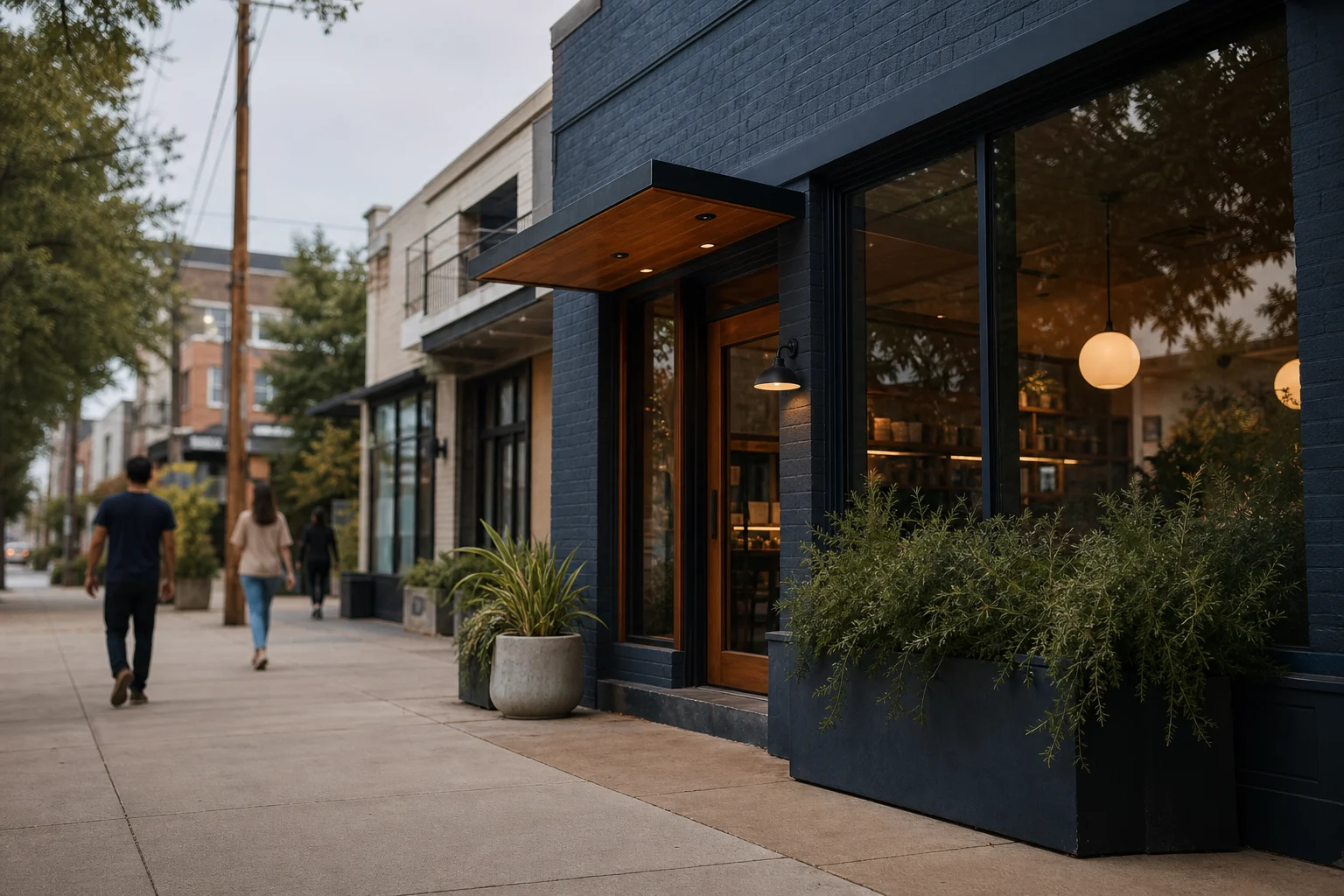
Equipment Categories by Launch Format
Your dessert shop's format directly determines the equipment categories you'll need to invest in. Full-service dessert shops require comprehensive kitchen equipment, display cases, seating, and point-of-sale systems. Counter-service concepts can reduce seating requirements but still need specialized display and preparation equipment. Delivery-only models minimize front-of-house equipment but require robust packaging and logistics systems.
San Francisco's market temperature is mixed, with medium competition density and medium rent levels. This balance influences your equipment strategy. In areas like Tenderloin, where foot traffic is maximized but impulse dessert spending is thin, efficient equipment that maximizes throughput becomes essential. Nob Hill's upscale residential density and tourist traffic suggest investing in higher-quality display equipment to match the area's positioning. Excelsior / Outer Mission's family-focused environment calls for equipment that can handle volume during peak family dining times.
Buildout Assumptions That Change the Budget
Buildout requirements vary significantly based on your chosen location's characteristics. In San Francisco's Tenderloin area, with its maxed-out walkability and transit, your buildout might focus on efficient space utilization rather than extensive seating. The rent level of roughly $45-70/sqft NNN means your buildout budget must be carefully aligned with the space's revenue potential.
Nob Hill's similar rent range of $45-70/sqft NNN but different customer profile suggests different buildout priorities. The area's combination of upscale residential, tourist, and office adjacency means your buildout should accommodate both quick-service and linger-worthy experiences. Excelsior / Outer Mission's existing bakery landscape (Pacita's, Hong Kong Bakery, Princess Bakery, and Glaze Donuts at 4.3★) indicates that buildout should differentiate your concept while meeting neighborhood expectations.
When planning your buildout, consider how each area's characteristics impact your equipment placement and workflow. The Tenderloin's daytime population focus suggests optimizing for speed and efficiency. Nob Hill's mixed customer base requires flexibility in service style. Excelsior / Outer Mission's family orientation means designing for both quick service and longer family visits.
New vs Used Equipment Tradeoffs
The decision between new and used equipment significantly impacts your initial investment and long-term costs. New equipment offers warranties, energy efficiency, and the latest technology but comes with higher upfront costs. Used equipment reduces initial capital outlay but may require more maintenance and lack modern efficiency features.
San Francisco's medium rent level makes equipment financing a critical consideration. In areas like Tenderloin, where customerMatch is weak (3.6) due to below-average affluence and social-services context, maximizing equipment efficiency becomes even more important to maintain margins. Nob Hill's positioning suggests that investing in newer, more reliable equipment might align better with the area's upscale residential character.
Excelsior / Outer Mission's existing bakery landscape means used equipment from similar businesses might be available, potentially offering cost savings while still meeting industry standards. However, the area's family-focused environment means reliability is paramount to maintain consistent service during peak times.
What to Inspect in a Second-Generation Space
When considering a second-generation space for your dessert shop, thorough inspection of existing equipment and infrastructure is crucial. Check that existing equipment meets health code requirements and has remaining useful life. Evaluate the electrical, plumbing, and ventilation systems to ensure they can support your specific equipment needs.
In San Francisco's Tenderloin area, where rent is manageable at roughly $45-70/sqft NNN, a second-generation space might offer significant equipment savings. However, the area's customerMatch weakness (3.6) means your equipment must be exceptionally efficient to maintain profitability. Nob Hill's similar rent range but different customer profile suggests evaluating whether existing equipment aligns with the area's upscale expectations.
Excelsior / Outer Mission's existing bakery landscape means second-generation spaces might come with bakery-specific equipment already installed. This could be advantageous but requires careful assessment of whether the equipment matches your concept's needs. The area's family index is the highest of any ranked area, so equipment that can handle volume during family dining hours is essential.
FAQ
What equipment do I need for A Dessert Shop in San Francisco?
Your dessert shop equipment needs depend on your specific format and concept. Essential categories typically include refrigeration (reach-in units, display cases), preparation equipment (mixers, ovens, work tables), display and serving equipment, point-of-sale systems, and seating if applicable. San Francisco's medium rent level means equipment efficiency is crucial to maintain profitability across different neighborhoods.
The Tenderloin's high foot traffic but lower impulse spending suggests prioritizing equipment that maximizes throughput and efficiency. Nob Hill's upscale residential and tourist traffic might warrant higher-quality display equipment. Excelsior / Outer Mission's family orientation calls for equipment that can handle volume during peak family dining times.
How does neighborhood choice impact equipment decisions?
Neighborhood characteristics directly influence your equipment priorities. Tenderloin's maxed-out walkability and transit focus means equipment should optimize for speed and efficiency. Nob Hill's mixed customer base requires flexible equipment that can serve both quick and linger-worthy experiences. Excelsior / Outer Mission's existing bakery landscape means equipment should differentiate your concept while meeting neighborhood expectations.
Should I buy new or used equipment for my San Francisco dessert shop?
The decision depends on your budget, timeline, and specific needs. New equipment offers warranties and energy efficiency but comes with higher upfront costs. Used equipment reduces initial investment but may require more maintenance. San Francisco's medium rent level makes equipment financing a critical consideration. In areas with lower customerMatch like Tenderloin, equipment efficiency becomes even more important to maintain margins.
What should I look for in a second-generation space?
Thorough inspection of existing equipment and infrastructure is crucial. Check that equipment meets health code requirements and has remaining useful life. Evaluate electrical, plumbing, and ventilation systems to ensure they can support your specific needs. In San Francisco's Tenderloin area, a second-generation space might offer equipment savings, but the area's customerMatch weakness means equipment must be exceptionally efficient. Excelsior / Outer Mission's family orientation requires equipment that can handle volume during peak dining hours.
Last reviewed: 2026-05-08
Sources: U.S. Census Bureau ACS, LEHD LODES, Google Places, OpenStreetMap, Locavisor neighborhood scoring.
Methodology: Locavisor scores neighborhoods across demand, competition fit, rent fit, accessibility, and customer match. Scores reflect a snapshot of recent data and should be combined with on-the-ground research before lease decisions.
Disclaimer: This article provides informational content only and does not constitute legal, financial, accounting, or real-estate advice. Verify lease terms, licensing, local regulations, costs, and professional requirements with qualified local professionals before making business decisions.
Free preview shows top 3 neighborhoods. Full $9.99 report covers all 10 areas with personalized scoring + 90-day check-ins.
Informational only. Verify lease, licensing, local regulations, costs, and professional requirements with qualified local professionals.