Seattle, WA · dessert shop
Dessert shop equipment costs Seattle
Opening a dessert shop in Seattle requires careful planning around equipment and buildout costs. The city's competitive market and specific neighborhood dynamics mean founders must make informed decisions about their physical setup. Equipment choices directly impact operational efficiency, customer experience, and long-term profitability. Understanding what equipment you need and how it fits into your buildout budget is critical for success in Seattle's dessert market.
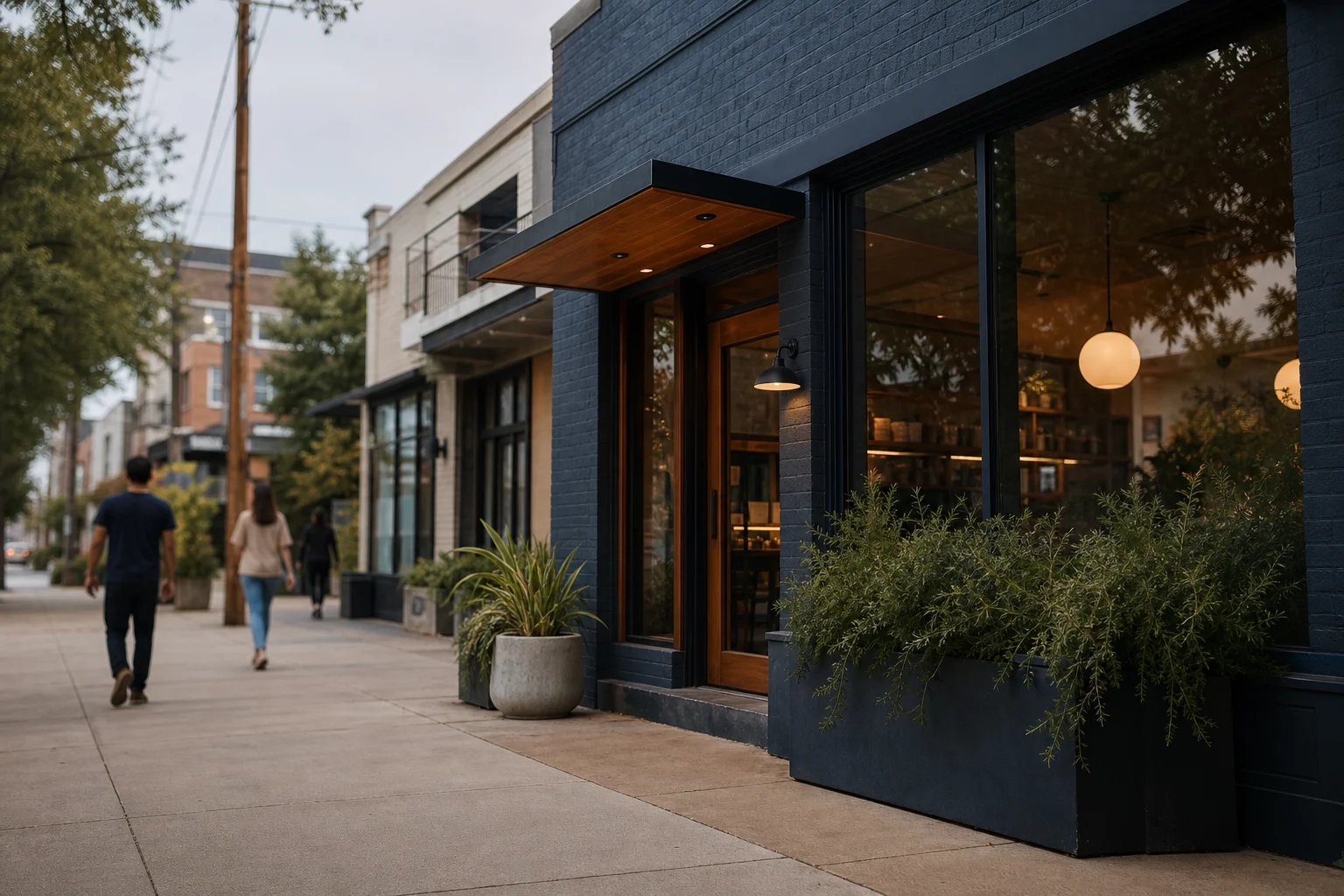
What equipment do you need to open a dessert shop in Seattle?
The core equipment for a dessert shop in Seattle typically includes refrigeration units, display cases, preparation tables, ovens, mixers, and specialized tools for your specific dessert offerings. For example, if you're planning to serve ice cream, you'll need commercial freezers and soft-serve machines. For a bakery-style dessert shop, commercial ovens and proofing cabinets become essential. The equipment list expands based on your menu complexity - from chocolate tempering machines for high-end confections to gelato pasteurizers for authentic Italian-style desserts.
Seattle's established dessert operators provide valuable context for equipment decisions. In the U-District, Donut Factory and Insomnia Cookies demonstrate how different equipment configurations serve different business models. Donut Factory, with its 4.3-star rating and 444 reviews, likely operates with equipment optimized for high-volume donut production, while Insomnia Cookies focuses on late-night cookie delivery with different equipment priorities. Understanding these local examples helps you align your equipment choices with successful Seattle business models.
Buildout cost categories
Plumbing and electrical
Plumbing and electrical work represents a significant portion of your buildout budget. Dessert shops require specific plumbing for sinks, ice machines, and potentially specialized equipment like soft-serve machines or gelato pasteurizers. Electrical needs vary based on your equipment load - commercial ovens, refrigeration units, and display cases all demand substantial power. Seattle's building codes and inspection requirements mean these systems must be professionally installed and meet local standards.
HVAC and ventilation
Proper HVAC and ventilation systems are non-negotiable for dessert shops, especially those producing baked goods or working with chocolate. Seattle's climate, while generally mild, requires climate control to maintain consistent product quality. Ventilation systems must handle grease, heat, and odors while maintaining comfortable temperatures for both staff and customers. The U-District's rent band of $31-$110/sqft/yr NNN reflects the premium for spaces with adequate utility infrastructure.
Flooring and finishes
Flooring choices impact both safety and aesthetics in your dessert shop. Commercial-grade, slip-resistant flooring is essential in areas with potential water or food spills. Finishes should be durable yet appealing, creating the right atmosphere for your brand. In neighborhoods like Wallingford, where Cookie Crave & Creamery operates with a 4.7-star rating, the right flooring balances functionality with the shop's aesthetic appeal.
Permits-driven items
Seattle requires various permits for food service operations, and your buildout must accommodate these requirements. This includes grease traps, fire suppression systems, and accessibility features. Each neighborhood may have specific requirements, so checking with local authorities in your target area is essential. The Roosevelt neighborhood, with its rent band of $31-$110/sqft/yr NNN, may have different permitting considerations than other areas.
Furniture and signage
Customer-facing elements like display cases, seating, and signage complete your buildout. These items must align with your brand while meeting Seattle's signage regulations. In the Madrona/Leschi area, where Pacific Rim Center serves as an anchor, visibility and attractive presentation become key differentiators for dessert shops.
Equipment line items to validate in Seattle
When planning your equipment purchases, consider these essential items for a Seattle dessert shop:
- Commercial refrigeration (reach-in and under-counter units)
- Display cases (refrigerated and non-refrigerated)
- Preparation tables with storage
- Mixers and food processors
- Ovens and proofing cabinets (if baking on-site)
- Specialty equipment for your specific dessert offerings
- Point-of-sale system with inventory management
- Cleaning and sanitation equipment
The choice between new, used, or leased equipment depends on your budget, timeline, and long-term plans. Seattle's market has several equipment suppliers, but researching local options and considering the total cost of ownership is crucial.
How established operators in Seattle configure their kitchens
Local dessert shops offer valuable insights into equipment configuration. Doce Donut Co in Wallingford, with its 4.5-star rating and 426 reviews, likely optimized its kitchen layout for efficient donut production. Their setup probably includes specialized equipment for frying, glazing, and filling, demonstrating how equipment choices directly impact operational flow. Similarly, Cookie Crave & Creamery's 4.7-star rating suggests a well-designed space that balances customer experience with efficient production.
These successful operators understand that equipment placement affects workflow, customer experience, and staff efficiency. In Seattle's competitive market, a well-designed kitchen can be a significant advantage, allowing for faster service and consistent product quality.
Used vs. new vs. lease
Equipment decisions involve trade-offs between cost, condition, and warranty coverage. New equipment comes with full warranties but higher upfront costs. Used equipment offers cost savings but may require more maintenance. Leasing provides flexibility but accumulates costs over time.
Seattle's dessert market has several equipment suppliers, and networking with other operators can provide leads on used equipment. Consider your long-term plans - if you anticipate expanding or changing your menu, leasing might offer more flexibility. For mission-critical equipment, new purchases may provide better reliability.
| Equipment Type | New | Used | Leased |
|---|---|---|---|
| Refrigeration | Higher upfront cost, full warranty | Lower cost, potential maintenance | Monthly payments, no ownership |
| Ovens | Highest reliability | Cost savings, check condition | Flexible terms, upgrade options |
| Display Cases | Modern features, energy efficient | Significant savings | Payment flexibility |
| Specialty Equipment | Latest technology | Budget-friendly | Adjustable terms |
Buildout timeline
Seattle's permitting process and contractor availability affect your buildout timeline. Factor in time for permit approval, equipment ordering, and installation. The U-District's commercial activity means contractors may have busy schedules, potentially extending your timeline. Planning ahead and having equipment ready for installation can help minimize delays.
Common buildout overruns
Several factors commonly lead to budget overruns in dessert shop buildouts:
- Unexpected structural issues discovered during renovation
- Delays in permit approvals
- Equipment delivery problems
- Unforeseen utility upgrades
- Changes in design or scope
Building contingency funds into your budget and maintaining flexibility in your timeline can help manage these risks. Seattle's construction market can be competitive, so having backup plans for contractors and suppliers is wise.
| Neighborhood | Locavisor score | Rent band | Local operator signal | Founder validation check |
|---|---|---|---|---|
| U-District (University District) | 7.1/10 | $31-$110/sqft/yr NNN | Insomnia Cookies, Donut Factory | Check utility capacity, ventilation, plumbing, storage, and fixture layout. |
| Wallingford | 6.8/10 | $31-$110/sqft/yr NNN | Doce Donut Co, Cookie Crave & Creamery | Check utility capacity, ventilation, plumbing, storage, and fixture layout. |
| Roosevelt | 6.3/10 | $31-$110/sqft/yr NNN | No direct operator listed | Check utility capacity, ventilation, plumbing, storage, and fixture layout. |
| Fremont | 6.3/10 | $31-$110/sqft/yr NNN | Doce Donut Co | Check utility capacity, ventilation, plumbing, storage, and fixture layout. |
| Madrona / Leschi | 6.3/10 | $31-$110/sqft/yr NNN | No direct operator listed | Check utility capacity, ventilation, plumbing, storage, and fixture layout. |
FAQ
Q: What's the average square footage needed for a dessert shop in Seattle?
A: Dessert shops in Seattle typically require 800-1,500 square feet, depending on your concept and seating plans. The U-District's rent band of $31-$110/sqft/yr NNN reflects the range of available spaces, with smaller footprints common for specialized dessert concepts and larger spaces for full-service operations.
Q: How do Seattle's neighborhoods compare for dessert shop equipment needs?
A: Neighborhoods like the U-District (score 7.1/10) and Wallingford (score 6.8/10) offer different advantages. The U-District's student population and late-night venues may require equipment optimized for high-volume, late-hour service, while Wallingford's more residential feel might support different equipment priorities. Rent bands of $31-$110/sqft/yr NNN are consistent across these areas, but utility costs and customer demographics vary.
Q: What's the most expensive equipment category for a dessert shop?
A: Refrigeration and specialized production equipment typically represent the largest equipment investments. Commercial refrigeration units, especially those requiring precise temperature control for items like gelato or chocolate, can be particularly costly. The specific needs depend on your dessert offerings and business model.
Last reviewed: 2026-05-30
Sources: U.S. Census Bureau ACS, LEHD LODES, Google Places, OpenStreetMap, Locavisor neighborhood scoring.
Methodology: Locavisor scores neighborhoods across demand, competition fit, rent fit, accessibility, and customer match. Scores reflect a snapshot of recent data and should be combined with on-the-ground research before lease decisions.
Disclaimer: This article provides informational content only and does not constitute legal, financial, accounting, or real-estate advice. Verify lease terms, licensing, local regulations, costs, and professional requirements with qualified local professionals before making business decisions.
Free preview shows top 3 neighborhoods. Full $9.99 report covers all 10 areas with personalized scoring + 90-day check-ins.
Informational only. Verify lease, licensing, local regulations, costs, and professional requirements with qualified local professionals.