Washington, DC · dessert shop
Dessert shop equipment costs Washington
Planning a dessert shop in Washington requires careful consideration of equipment and buildout costs. The right equipment setup depends on your specific concept, location, and budget constraints. In Washington, DC, the market offers distinct opportunities across different neighborhoods, each with its own cost structure and customer profile.
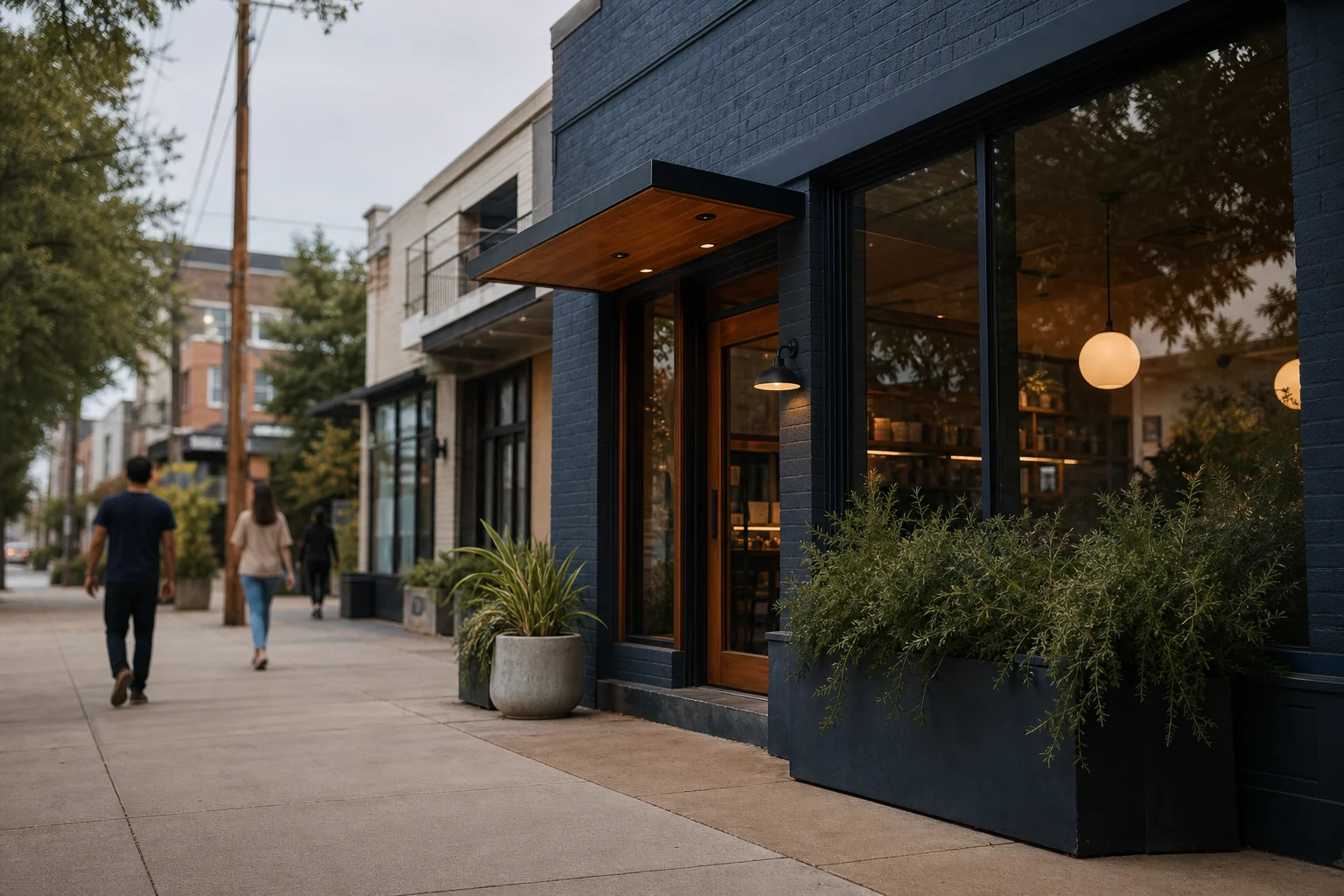
Equipment Categories by Launch Format
Your dessert shop equipment needs will vary based on your specific format. Ice cream shops require different equipment than bakeries or dessert cafes. For an ice cream shop, you'll need commercial-grade freezers, display cases, and soft-serve machines. Bakeries require ovens, proofing cabinets, and mixers. Dessert cafes need a combination of refrigeration, display cases, and potentially some cooking equipment.
The Foggy Bottom / GWU area presents an interesting opportunity with its student and office daytime density. This location would support a dessert shop that can handle peak lunch hours and after-school rushes. The existing dessert scene is thin, with Captain Cookie & the Milk Man (4.1★, 680 reviews) as the only direct competitor, and D/Lai Ice Cream (4.8★, 52 reviews) proving local demand for premium sweets.
Chevy Chase DC offers an upscale residential market with customers who may prefer higher-end dessert options. This area would support a bakery with artisanal products or a dessert café with premium offerings. The lack of direct competitors in this area presents an opportunity, but the customer base skews affluent and family-oriented, which may not align with a student-centric dessert format.
Ivy City's industrial-reuse corridor near Union Market presents a different opportunity. With breweries and food halls already established, this area could support a dessert shop that complements the existing food scene. The moderate residential reach of approximately 7,000 households within 800m provides a solid customer base, though tourist traffic is minimal and late-night demand is limited.
Buildout Assumptions That Change the Budget
Buildout requirements significantly impact your equipment budget. New construction offers a blank slate but comes with higher upfront costs. Second-generation spaces may have existing infrastructure that can be repurposed, potentially reducing buildout expenses. The rent level in your chosen location directly affects how much you can allocate to equipment and buildout.
In Foggy Bottom / GWU, rent runs roughly $30-50/sqft NNN, which is workable for a medium budget. This allows for a quality equipment setup while maintaining reasonable operating costs. The student + office daytime density is unmatched in DC, creating opportunities for high-volume sales during peak hours.
Chevy Chase DC rent is also in the $30-50/sqft NNN range, making it affordable for a medium budget. The upscale nature of this area may justify higher-end equipment and finishes, which could increase your initial investment but potentially support higher price points.
Ivy City offers the most affordable rent at roughly $20-35/sqft NNN, providing the most budget-friendly option for equipment and buildout. The industrial nature of the space may require more substantial buildout work, but the lower rent levels provide more financial flexibility for equipment purchases.
New vs Used Equipment Tradeoffs
New equipment offers the latest technology, energy efficiency, and warranty protection. However, it comes with a higher price tag. Used equipment can provide significant cost savings but may require more maintenance and lack warranty coverage. The decision between new and used equipment depends on your budget, risk tolerance, and long-term business plans.
In Washington's competitive dessert market, having reliable equipment is crucial for maintaining quality and consistency. New equipment reduces the risk of breakdowns during peak hours, which is particularly important in high-traffic areas like Foggy Bottom / GWU.
The market temperature in Washington is mixed, which creates both opportunities and challenges. A mix of new and used equipment might provide the best balance of cost and reliability. Critical equipment like refrigeration and cooking appliances should be new to ensure reliability, while less critical items like display cases or furniture could be used to save costs.
What to Inspect in a Second-Generation Space
When considering a second-generation space for your dessert shop, thorough inspection is essential. Check the existing electrical capacity to ensure it can handle your equipment requirements. Evaluate the plumbing for potential upgrades needed for sinks, ice machines, or other water-dependent equipment. Assess the ventilation system to determine if it meets health code requirements for your specific operations.
In Foggy Bottom / GWU, the existing dessert scene is thin, with Captain Cookie & the Milk Man as the only direct competitor. This could indicate that previous dessert concepts may not have succeeded in this location. Investigate why previous businesses failed to avoid making similar mistakes.
Chevy Chase DC has no direct dessert competitors, which could mean the space was previously used for a different type of business. Understanding the previous tenant's operations can help you assess whether the existing infrastructure meets your needs.
Ivy City's industrial-reuse corridor may have spaces previously used for manufacturing or other non-food businesses. These spaces may require significant buildout work to meet food service requirements, but the lower rent levels could offset these costs.
FAQ
What equipment do I need for A Dessert Shop in Washington?
The equipment needed for a dessert shop in Washington depends on your specific concept. For an ice cream shop, you'll need commercial freezers, display cases, and potentially soft-serve machines. A bakery requires ovens, proofing cabinets, and mixers. A dessert café needs refrigeration, display cases, and possibly some cooking equipment. The Foggy Bottom / GWU area's student and office daytime density supports high-volume operations, so equipment should be sized accordingly.
How does location affect equipment needs?
Location significantly impacts your equipment requirements. High-traffic areas like Foggy Bottom / GWU need equipment that can handle peak demand periods. Upscale areas like Chevy Chase DC may warrant higher-end equipment and finishes. Industrial areas like Ivy City might require more robust equipment to handle potentially harsher conditions. The rent level in your chosen location also affects how much you can invest in quality equipment.
Should I buy new or used equipment for my dessert shop?
The decision between new and used equipment depends on your budget and risk tolerance. New equipment offers the latest technology, energy efficiency, and warranty protection but comes at a higher cost. Used equipment provides savings but may require more maintenance. Critical equipment like refrigeration should typically be new to ensure reliability, while less essential items could be used to save costs.
What buildout considerations are specific to Washington, DC?
Washington, DC has specific building codes and regulations that affect buildout requirements. Electrical systems must meet commercial kitchen standards. Ventilation systems must comply with health department regulations. The age of buildings in different neighborhoods may affect the cost and complexity of buildout work. Foggy Bottom / GWU's mix of historic and modern buildings presents different buildout challenges compared to newer areas like Ivy City.
How can I reduce equipment costs for my dessert shop?
Several strategies can help reduce equipment costs. Prioritize essential equipment and phase non-essential purchases. Consider a mix of new and used equipment. Leverage local suppliers who may offer better pricing or financing options. Take advantage of energy-efficient equipment rebates. In areas with lower rent like Ivy City, the savings on occupancy costs can be redirected to higher-quality equipment.
Last reviewed: 2026-05-08
Sources: U.S. Census Bureau ACS, LEHD LODES, Google Places, OpenStreetMap, Locavisor neighborhood scoring.
Methodology: Locavisor scores neighborhoods across demand, competition fit, rent fit, accessibility, and customer match. Scores reflect a snapshot of recent data and should be combined with on-the-ground research before lease decisions.
Disclaimer: This article provides informational content only and does not constitute legal, financial, accounting, or real-estate advice. Verify lease terms, licensing, local regulations, costs, and professional requirements with qualified local professionals before making business decisions.
Free preview shows top 3 neighborhoods. Full $9.99 report covers all 10 areas with personalized scoring + 90-day check-ins.
Informational only. Verify lease, licensing, local regulations, costs, and professional requirements with qualified local professionals.