Atlanta, GA · dry cleaner
Dry cleaner equipment costs Atlanta
Planning your dry cleaner equipment costs in Atlanta requires careful consideration of both equipment needs and local market conditions. The right equipment setup can significantly impact your operational efficiency and customer satisfaction, while Atlanta's specific market dynamics will influence your budget decisions. Understanding these factors is crucial for a successful launch in this competitive market.
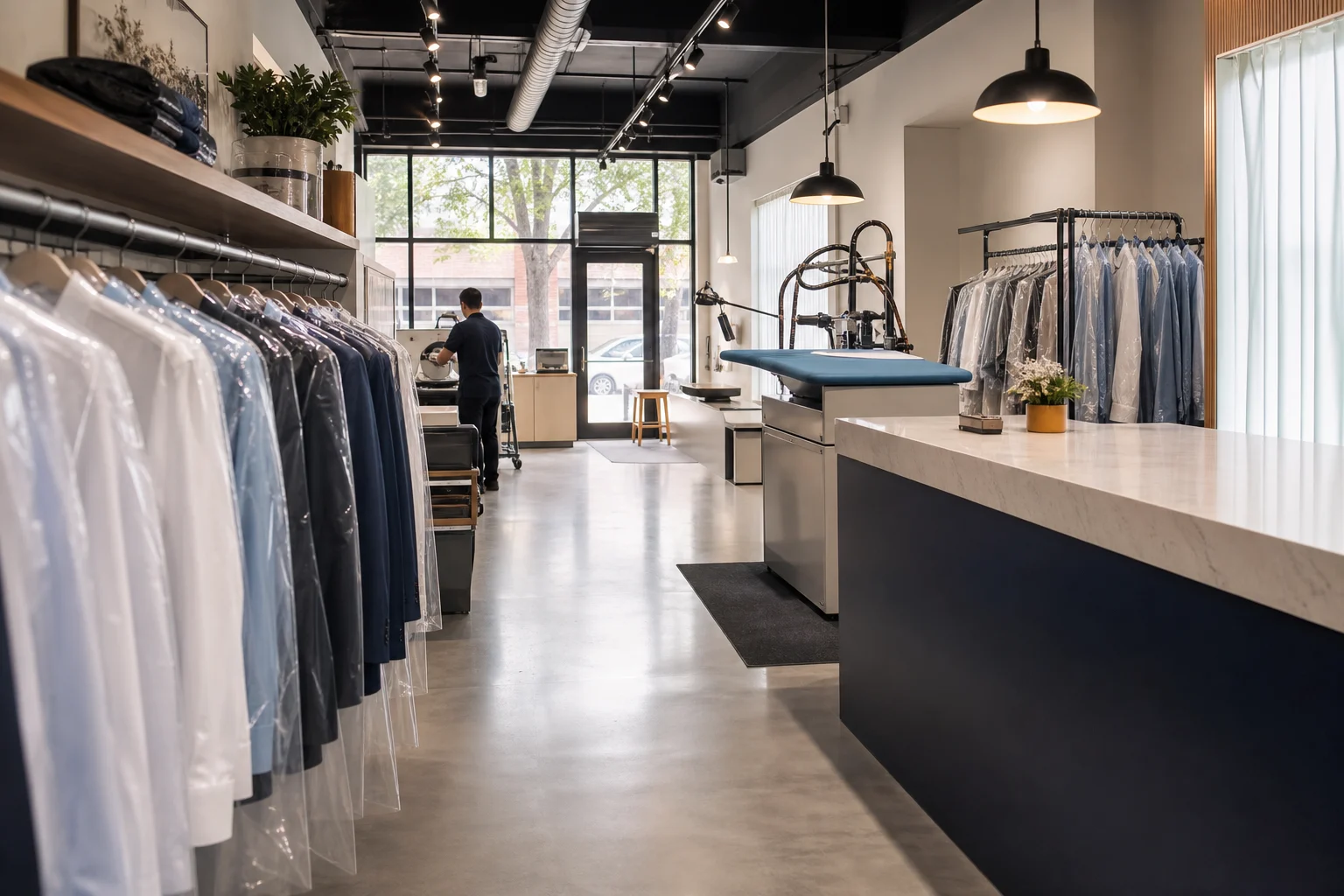
Equipment categories by launch format
When planning dry cleaner equipment costs in Atlanta, your launch format will determine the specific categories of equipment you need. A service-only operation requires different equipment than a full-service dry cleaning business with pressing capabilities. Atlanta's market temperature being "promising" suggests there's opportunity for new entrants, but you'll need to match your equipment investment to your business model.
Basic dry cleaning equipment includes washing machines, dry cleaning machines, and finishing equipment. For a service-only format like what might work in Smyrna/Vinings with its "strong daytime worker pool," you might focus on front-counter operations with minimal finishing equipment. In contrast, a full-service operation would need pressing units, steam tables, and specialized finishing equipment.
Atlanta's medium competition density means you have room to differentiate through your equipment offerings. Consider whether specialized services like wedding dress cleaning or leather care would justify additional equipment investment. The rent level in Atlanta being "high" suggests you should prioritize space-efficient equipment that maximizes functionality within your footprint.
Buildout assumptions that change the budget
Buildout assumptions significantly impact your dry cleaner equipment costs in Atlanta. The rent level varies considerably across Atlanta's top areas, from "manageable" in Smyrna/Vinings at $45-70/sqft NNN to "trophy-tier pricing" in West Midtown at $90-140/sqft NNN. These differences directly affect how much you can allocate to equipment versus buildout.
In Smyrna/Vinings, with its "zero direct competitors detected," you might invest more in premium equipment since you're establishing a new market presence. The "office index is maxed out" suggests strong daytime traffic, making customer-facing equipment a priority. In contrast, West Midtown's "absolute ceiling" rent levels might force you to prioritize buildout efficiency and potentially used equipment to stay within budget.
Buildout considerations include plumbing requirements for steam equipment, ventilation for chemical handling, and electrical capacity for machinery. Atlanta's building codes will dictate certain requirements, but the specific conditions of your space will determine additional buildout needs. The "medium budget" constraint in many Atlanta areas means you'll need to balance immediate needs with future expansion capabilities.
New vs used equipment tradeoffs
The decision between new and used equipment affects your dry cleaner equipment costs in Atlanta significantly. New equipment offers the latest technology, energy efficiency, and warranty protection, but comes with a higher upfront cost. Used equipment reduces initial investment but may require more maintenance and lack modern efficiency features.
Atlanta's "promising" market temperature suggests it might be worth investing in new equipment to establish a premium position, especially in areas like Smyrna/Vinings where you have "zero direct competitors." The "strong daytime worker pool" in this area might justify the higher operating costs of new equipment through increased efficiency and customer appeal.
However, the "high" rent levels across Atlanta might pressure you toward used equipment to conserve capital. In competitive areas like Sandy Springs with "three existing operators nearby," used equipment could help you enter the market with lower initial investment while you establish your customer base. The "medium competition density" overall suggests there's room for both approaches depending on your specific location and business model.
What to inspect in a second-generation space
When evaluating a second-generation space for your dry cleaner in Atlanta, thorough inspection of existing equipment and buildout elements can save significant costs. Look for properly installed plumbing, ventilation, and electrical systems that meet dry cleaning requirements. These elements are expensive to retrofit and can make or break your budget.
In areas like Sandy Springs with existing operators, inspecting competitor spaces can provide valuable insights into what equipment and buildout elements work well. The "zero dry-cleaner gap" in West Midtown suggests a different approach might be needed there, focusing on what makes your offering unique rather than following existing models.
Pay special attention to the condition of any existing equipment. Even if you plan to replace major machinery, properly maintained supporting systems like steam lines, compressed air systems, and ventilation can reduce your buildout costs. Atlanta's "medium budget" constraint means maximizing the value of existing infrastructure is crucial.
FAQ
What equipment do I need for A Dry Cleaner in Atlanta?
The essential equipment for a dry cleaner in Atlanta includes washing machines, dry cleaning machines, pressing units, steam tables, and finishing equipment. Your specific needs will depend on your business format—whether you're offering service-only operations, full-service cleaning, or specialized services like wedding dress or leather cleaning.
How does Atlanta's rent level affect my equipment budget?
Atlanta's "high" rent levels mean you'll need to balance equipment investment with space efficiency. Premium areas like West Midtown with "trophy-tier pricing" at $90-140/sqft NNN will require more space-efficient equipment solutions, while areas like Smyrna/Vinings with "manageable" rent at $45-70/sqft NNN allow for more flexibility in equipment selection and layout.
Should I buy new or used equipment for my Atlanta dry cleaner?
The decision between new and used equipment depends on your specific location and business model. Atlanta's "promising" market temperature might justify new equipment investment in areas like Smyrna/Vinings where you have "zero direct competitors," while the "high" rent levels might pressure you toward used equipment in more established markets like Sandy Springs with "three existing operators nearby."
How does Atlanta's competition density affect my equipment planning?
Atlanta's "medium competition density" means you have room to differentiate through your equipment offerings. In areas with existing competitors like Sandy Springs, specialized equipment for niche services can help you stand out. In areas without direct competitors like Smyrna/Vinings, you might focus on equipment that serves the "strong daytime worker pool" for weekday drop-off/pickup cycles.
What buildout considerations are specific to Atlanta's dry cleaner market?
Atlanta's specific market conditions require attention to buildout elements like proper ventilation for chemical handling, plumbing for steam equipment, and electrical capacity for machinery. The "medium budget" constraint in many Atlanta areas means prioritizing buildout elements that support your core business model while allowing for future expansion as your business grows.
Last reviewed: 2026-05-08
Sources: U.S. Census Bureau ACS, LEHD LODES, Google Places, OpenStreetMap, Locavisor neighborhood scoring.
Methodology: Locavisor scores neighborhoods across demand, competition fit, rent fit, accessibility, and customer match. Scores reflect a snapshot of recent data and should be combined with on-the-ground research before lease decisions.
Disclaimer: This article provides informational content only and does not constitute legal, financial, accounting, or real-estate advice. Verify lease terms, licensing, local regulations, costs, and professional requirements with qualified local professionals before making business decisions.
Free preview shows top 3 neighborhoods. Full $9.99 report covers all 10 areas with personalized scoring + 90-day check-ins.
Informational only. Verify lease, licensing, local regulations, costs, and professional requirements with qualified local professionals.