Charlotte, NC · dry cleaner
Dry cleaner equipment costs Charlotte
Opening a dry cleaner in Charlotte requires careful planning around equipment and buildout costs. The equipment you choose will directly impact your operational efficiency, service quality, and long-term profitability. Charlotte's competitive market demands that you make informed decisions about your initial investment, especially when considering the specific requirements of dry cleaning operations in this North Carolina city.
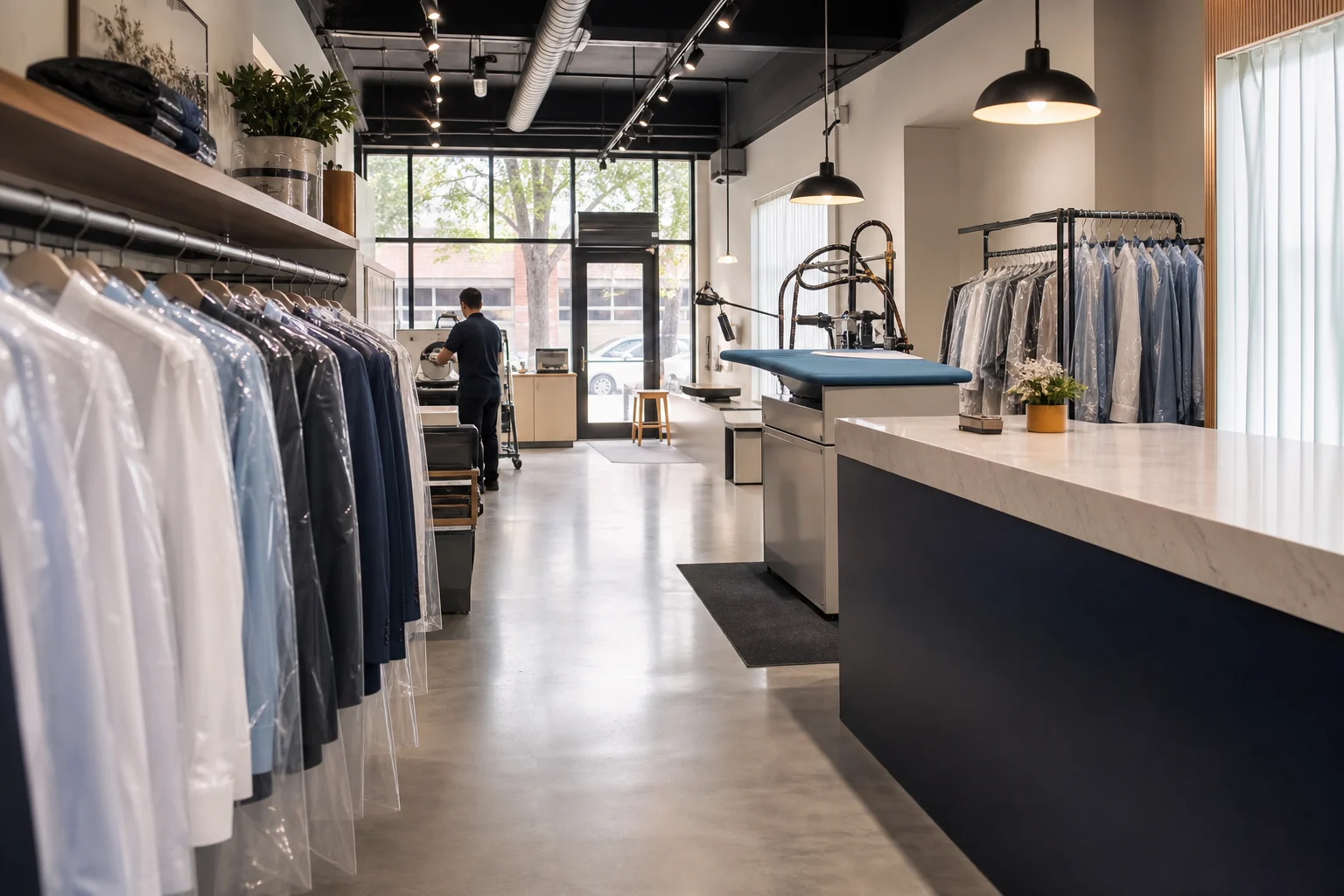
What equipment do you need to open a dry cleaner in Charlotte?
The core equipment for a dry cleaner typically includes cleaning machines, finishing equipment, and specialized tools. For Charlotte specifically, you'll need to consider the local climate and customer expectations. Dry cleaning machines are the heart of your operation, with solvent recovery systems becoming increasingly important for environmental compliance. Finishing equipment like presses, steamers, and spotting boards will determine the quality of your work. Don't forget about laundry machines if you plan to offer wet cleaning services, which many modern dry cleaners in Charlotte are expanding to include.
Buildout cost categories
Plumbing and electrical
Your dry cleaner buildout will require significant plumbing and electrical work. Dry cleaning machines need dedicated water lines, drainage systems, and specialized electrical connections. Charlotte's building codes may have specific requirements for solvent-based operations, so consult with local contractors familiar with commercial dry cleaning installations. Electrical systems must handle the high power demands of cleaning equipment while maintaining safety standards. The rent bands in Charlotte neighborhoods like Park Road/Madison Park ($16-$44/sqft/yr NNN) suggest that commercial spaces may require substantial upgrades to meet these needs.
HVAC and ventilation
Proper ventilation is non-negotiable for dry cleaning operations. Charlotte's climate means you'll need robust HVAC systems that can handle both temperature control and air filtration. Solvent fumes require specialized exhaust systems that meet local environmental regulations. The ventilation system will be one of your largest buildout expenses, but it's essential for worker safety and regulatory compliance. Neighborhoods like Optimist Park/Belmont, with their $16-$44/sqft/yr NNN rent bands, may have older buildings requiring significant HVAC upgrades.
Flooring and finishes
Dry cleaning facilities need durable, chemical-resistant flooring that can withstand constant exposure to solvents and water. Epoxy or vinyl flooring is standard, but the specific requirements may vary based on your equipment choices. Walls and ceilings should also be treated to resist chemical damage and facilitate cleaning. In Charlotte's competitive market, the appearance of your facility matters - customers notice the quality of finishes, which can influence their perception of your service quality.
Permits-driven items
Charlotte requires specific permits for dry cleaning operations, particularly those involving hazardous materials. Your buildout must accommodate inspection requirements, including proper storage for chemicals and waste disposal systems. The city's environmental regulations may dictate specific equipment or installation methods. Always verify requirements with Mecklenburg County's environmental health department before finalizing your buildout plans.
Furniture and signage
While often overlooked, furniture and signage contribute to your customer experience and brand identity. Reception areas, waiting spaces, and employee break rooms require thoughtful design. External signage must comply with Charlotte's zoning regulations while effectively attracting local customers. The presence of established operators like Delight Cleaners & Alterations in Park Road/Madison Park demonstrates how physical presence impacts local market positioning.
Equipment line items to validate in Charlotte
When planning your equipment purchases, focus on items that directly impact service quality and efficiency in Charlotte's market. Dry cleaning machines with advanced solvent recovery can reduce long-term operating costs, a significant consideration given Charlotte's business environment. Finishing equipment should be selected based on the types of garments common in the area - business attire in Dilworth, casual wear in NoDa, and family clothing in Wesley Heights. Laundry equipment may be essential if you plan to serve neighborhoods with high residential density.
How established operators in Charlotte configure their kitchens
Looking at successful dry cleaners in Charlotte provides valuable insights into equipment. Lapels Cleaners Charlotte, NC - Park Road in Dilworth and King's Dry Cleaners & Shoe Rpr in the same area both maintain high ratings, suggesting they've optimized their equipment for local demand. These operators likely balance capacity with efficiency, choosing machines that handle peak demand without excessive energy consumption. The configuration of their facilities reflects Charlotte's specific customer expectations and the competitive nature of the local market.
Used vs. new vs. lease
Deciding between new, used, or leased equipment requires careful consideration of your capital, risk tolerance, and long-term plans. New equipment offers the latest technology and warranty protection but comes with higher upfront costs. Used equipment can reduce initial investment but may require more maintenance. Leasing provides flexibility but increases long-term costs. Charlotte's market dynamics, including rent bands across neighborhoods like NoDa ($16-$44/sqft/yr NNN) and Wesley Heights ($16-$44/sqft/yr NNN), may influence this decision based on your cash flow projections.
Buildout timeline
Your buildout timeline will depend on several factors specific to Charlotte. Permit processing times, contractor availability, and equipment delivery schedules all impact your timeline. Neighborhoods with higher scores like Park Road/Madison Park (7.3/10) may have more developed commercial construction ecosystems, potentially speeding up your project. Always build buffer time into your schedule for unexpected delays, which are common in construction projects.
Common buildout overruns
Many dry cleaner owners experience budget overruns during buildout. Common issues in Charlotte include unexpected plumbing or electrical upgrades, particularly in older buildings common in established neighborhoods. Changes in equipment specifications after ordering can also cause delays and additional costs. The presence of multiple dry cleaners in areas like Dilworth means contractors may have varying levels of experience with dry cleaning-specific requirements.
| Neighborhood | Locavisor score | Rent band | Local operator signal | Founder validation check |
|---|---|---|---|---|
| Park Road / Madison Park | 7.3/10 | $16-$44/sqft/yr NNN | Delight Cleaners & Alterations, Park Town Cleaners | Check utility capacity, ventilation, plumbing, storage, and fixture layout. |
| Optimist Park / Belmont | 6.9/10 | $16-$44/sqft/yr NNN | No direct operator listed | Check utility capacity, ventilation, plumbing, storage, and fixture layout. |
| NoDa (North Davidson) | 6.5/10 | $16-$44/sqft/yr NNN | Perfect Touch Carpet Cleaners | Check utility capacity, ventilation, plumbing, storage, and fixture layout. |
| Wesley Heights | 6.5/10 | $16-$44/sqft/yr NNN | No direct operator listed | Check utility capacity, ventilation, plumbing, storage, and fixture layout. |
| Dilworth | 6.4/10 | $16-$44/sqft/yr NNN | Lapels Cleaners Charlotte, NC - Park Road, JS alteration dry cleaning | Check utility capacity, ventilation, plumbing, storage, and fixture layout. |
FAQ
What are the most important considerations when choosing a location for a dry cleaner in Charlotte?
When selecting a location, consider Charlotte's neighborhood characteristics and customer demographics. Areas like Park Road/Madison Park (score 7.3/10, $16-$44/sqft/yr NNN) offer strong anchor tenants and transit access, while NoDa (score 6.5/10, $16-$44/sqft/yr NNN) serves a younger, trend-conscious population. Research local competition, such as Delight Cleaners & Alterations and Park Town Cleaners in Park Road/Madison Park, to understand market saturation and potential differentiation opportunities.
How does Charlotte's climate affect dry cleaning equipment needs?
Charlotte's humid subtropical climate means dry cleaners must account for moisture control and temperature regulation. Equipment with advanced humidity control can prevent garment damage and improve service quality. The city's warm summers may increase demand for specialized stain removal services, requiring additional equipment. Consider how seasonal variations impact your equipment capacity and maintenance schedules.
What permits are required to open a dry cleaner in Charlotte?
Charlotte requires several permits for dry cleaning operations, including business licenses, environmental permits for solvent use, and building permits for any construction. The Mecklenburg County Health Department regulates dry cleaning facilities, particularly concerning solvent handling and waste disposal. Always verify current requirements with local authorities, as regulations may change based on environmental standards and zoning updates.
Last reviewed: 2026-05-30
Sources: U.S. Census Bureau ACS, LEHD LODES, Google Places, OpenStreetMap, Locavisor neighborhood scoring.
Methodology: Locavisor scores neighborhoods across demand, competition fit, rent fit, accessibility, and customer match. Scores reflect a snapshot of recent data and should be combined with on-the-ground research before lease decisions.
Disclaimer: This article provides informational content only and does not constitute legal, financial, accounting, or real-estate advice. Verify lease terms, licensing, local regulations, costs, and professional requirements with qualified local professionals before making business decisions.
Free preview shows top 3 neighborhoods. Full $9.99 report covers all 10 areas with personalized scoring + 90-day check-ins.
Informational only. Verify lease, licensing, local regulations, costs, and professional requirements with qualified local professionals.