Denver, CO · dry cleaner
Dry cleaner equipment costs Denver
Planning a dry cleaner in Denver means balancing equipment needs with the city's unique market dynamics. The equipment you choose directly impacts your operational efficiency and customer satisfaction, while buildout decisions affect your long-term costs and compliance. Denver's neighborhoods present different opportunities and constraints, from high-rent districts like Cherry Creek to more affordable areas like Five Points. Understanding these local factors is critical before committing to specific equipment or layout designs.
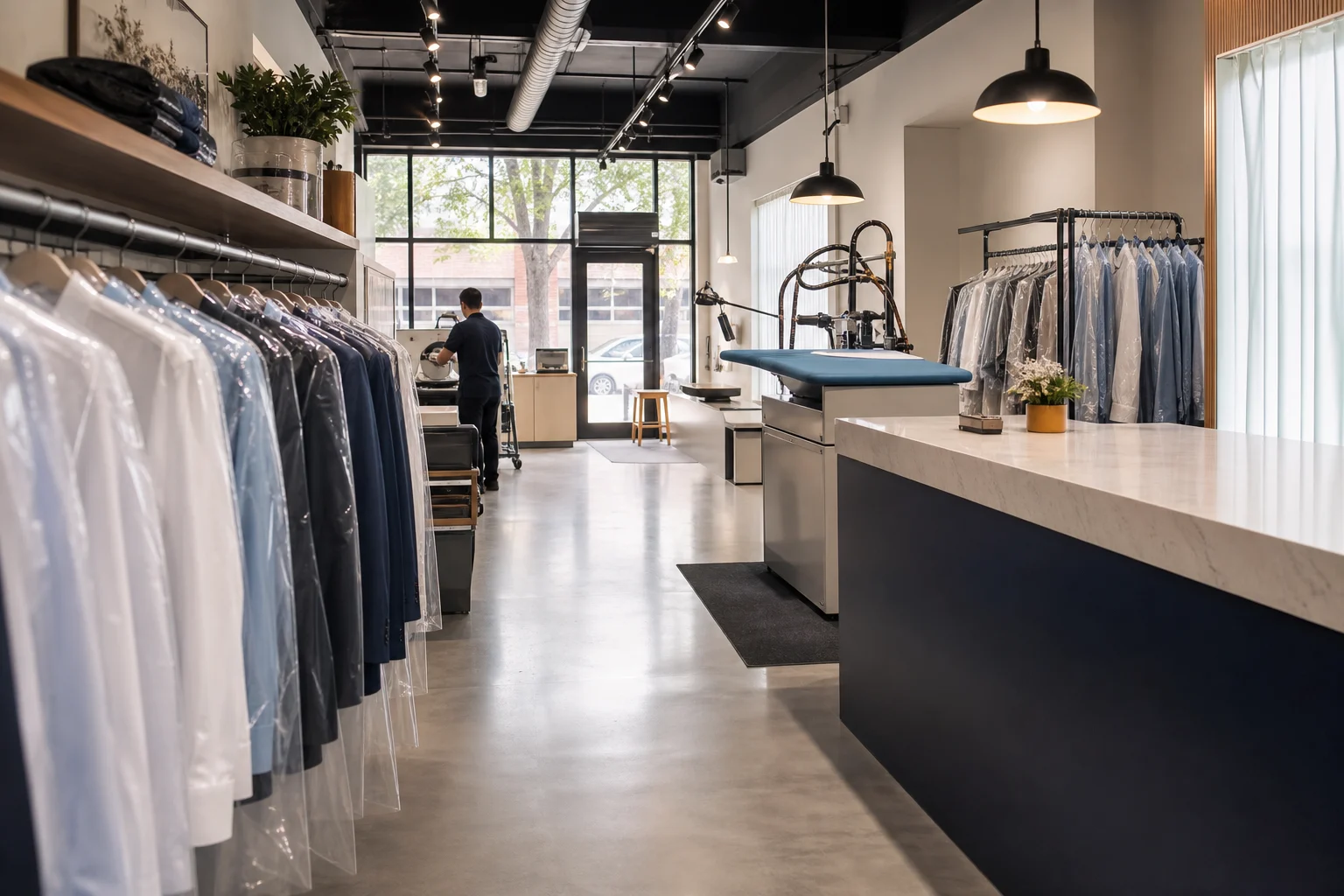
What equipment do you need to open a dry cleaner in Denver?
The core equipment for a dry cleaner includes cleaning machines, spotting stations, pressing equipment, and finishing tools. In Denver's market, you'll need to consider how these choices align with local customer expectations and operational demands. The equipment selection process should start with understanding your target neighborhood's characteristics and existing competition.
Denver's dry cleaning market has established players like Larimer Square Dry Cleaners & Alterations in LoDo, which has built a strong reputation with 4.6 stars from 130 reviews. Their success suggests customers in prime locations expect high-quality service and quick turnaround times. This means your equipment must support efficient processing without compromising quality.
The specific equipment needed includes:
- Dry cleaning machines (perc or hydrocarbon)
- spotting boards and stain removal tools
- finishing equipment (steamers, presses)
- laundry machines (if offering wet cleaning)
- garment racks and storage systems
- point-of-sale system
- packaging and labeling equipment
Your equipment choices should reflect the service level you want to provide. High-end neighborhoods like Cherry Creek, with its $75/sqft/yr NNN rent band, may justify investing in premium equipment that supports specialized services. Meanwhile, areas like Five Points, with its $26-$75/sqft/yr NNN range, might require more cost-conscious equipment selections.
Buildout cost categories
Plumbing and electrical
Dry cleaning operations require specialized plumbing and electrical systems. Your buildout must accommodate solvent lines, water connections, and proper drainage for cleaning processes. Electrical needs include dedicated circuits for heavy machinery and potentially three-phase power for industrial equipment.
Denver's building codes and environmental regulations will dictate specific requirements for solvent handling and waste management. You'll need to work with contractors who understand local permitting processes and can design systems that meet both operational needs and regulatory standards.
HVAC and ventilation
Proper ventilation is non-negotiable for dry cleaning facilities. Solvent fumes require specialized exhaust systems to maintain air quality and ensure worker safety. Your HVAC design must handle the unique demands of dry cleaning operations while complying with Denver's environmental regulations.
The ventilation system should include solvent recovery capabilities and proper air exchange rates. This is particularly important in neighborhoods like RiNo, where mixed-use developments bring residential and commercial spaces in close proximity.
Flooring and finishes
Dry cleaning facilities require durable, chemical-resistant flooring that can withstand solvent exposure and heavy foot traffic. Epoxy or vinyl flooring is common, but your choice depends on the specific chemicals you'll be using and the aesthetic you want to project.
Finishes should be easy to clean and maintain, as dry cleaning environments accumulate solvent residues and lint. Consider how your flooring choices align with the neighborhood character - LoDo's historic buildings may have different finish expectations than Cherry Creek's modern spaces.
Permits-driven items
Denver's permitting process for dry cleaning facilities involves multiple agencies and specific requirements. You'll need to account for:
- Environmental permits for solvent use
- Fire safety approvals
- Building code compliance
- Health department inspections
Each neighborhood may have additional requirements based on local zoning and historical preservation guidelines. Central Park, formerly Stapleton, with its $26-$75/sqft/yr NNN rent band, may have different permitting considerations than older districts like LoDo.
Furniture and signage
Customer-facing elements impact your brand perception and operational efficiency. Reception desks, waiting area furniture, and clear signage are essential. In Denver's competitive market, these elements help differentiate your business and create a professional impression.
Consider how your furniture choices align with neighborhood expectations. Cherry Creek customers may expect a more upscale waiting area, while Five Points patrons might prioritize functionality and affordability.
Equipment line items to validate in Denver
When planning your equipment purchases, focus on items that directly impact your service quality and efficiency. Dry cleaning machines are your biggest investment, but don't overlook supporting equipment that affects daily operations.
Spotting boards and stain removal tools are critical for quality control. Denver customers, like those served by Twentyone Zero One Cleaners in LoDo, expect garments to be returned free of stains and damage. Your equipment should support thorough inspection and treatment processes.
Pressing equipment determines the final appearance of cleaned garments. Invest in machines that can handle different fabric types and produce professional results consistently. This is particularly important in neighborhoods where customers may be comparing your work to established competitors.
Packaging and labeling systems affect both presentation and operational efficiency. Consider how these choices align with your brand identity and customer expectations in different Denver neighborhoods.
How established operators in Denver configure their kitchens
Looking at existing dry cleaners provides valuable insights into effective equipment layouts. Larimer Square Dry Cleaners & Alterations in LoDo likely optimized their space for high-volume processing while maintaining quality standards. Their 4.6-star rating suggests they've found a balance between efficiency and customer satisfaction.
Dependable Cleaners in LoDo, with 3.9 stars from 19 reviews, may offer lessons in operational efficiency. Their setup could reveal how to maximize throughput in a competitive market while controlling costs.
Cherry Creek's Dependable Cleaners and Drive Thru demonstrates how adding convenience features can differentiate your business. The drive-thru option requires specific equipment and layout considerations that could be valuable for your planning.
| Equipment Category | Key Considerations for Denver Market | Neighborhood Adaptations |
|---|---|---|
| Dry Cleaning Machines | Solvent type, capacity, energy efficiency | Higher-end models in Cherry Creek; cost-effective in Five Points |
| Spotting Stations | Number of stations, lighting, stain reference library | More stations in high-traffic areas like LoDo |
| Pressing Equipment | Variety of presses, steam capacity | Specialized equipment for luxury fabrics in Cherry Creek |
| Storage Systems | Garment capacity, organization, security | Secure systems in areas with higher theft risk |
Used vs. new vs. lease
Equipment decisions involve trade-offs between upfront costs, maintenance, and long-term value. New equipment offers the latest technology and warranty protection but comes with higher initial investment. Used equipment can reduce startup costs but may require more maintenance.
Leasing options provide flexibility and predictable monthly costs, which can be advantageous in Denver's variable market conditions. Consider how each option aligns with your financial strategy and neighborhood-specific demands.
In neighborhoods with higher rent bands like Cherry Creek ($75/sqft/yr NNN), leasing might provide better cash flow management. Meanwhile, areas with lower rent like Five Points ($26-$75/sqft/yr NNN) might allow for more upfront investment in equipment.
Buildout timeline
Denver's permitting process and contractor availability affect your buildout timeline. Factor in time for design, permitting, construction, and equipment installation. Neighborhood-specific factors, like historical preservation requirements in LoDo, can extend timelines.
Seasonal considerations matter in Denver's climate. Construction during winter months may face weather-related delays, impacting your overall schedule and opening date.
Coordinate equipment delivery with buildout completion to minimize downtime. Some equipment may require specialized installation or calibration, adding to your timeline.
Common buildout overruns
Budget overruns are common in dry cleaning buildouts due to unexpected requirements. Denver's specific building codes and environmental regulations can reveal unforeseen costs during the permitting process.
Utility upgrades, particularly for electrical and ventilation systems, often exceed initial estimates. Your chosen neighborhood may have infrastructure limitations that require costly improvements.
Contingency planning is essential. Set aside additional funds for unexpected issues, as dry cleaning facilities have complex systems that can reveal problems during installation.
| Neighborhood | Locavisor score | Rent band | Local operator signal | Founder validation check |
|---|---|---|---|---|
| LoDo (Lower Downtown) | 8.7/10 | $48/sqft/yr NNN | Larimer Square Dry Cleaners & Alterations, Twentyone Zero One Cleaners | Check utility capacity, ventilation, plumbing, storage, and fixture layout. |
| RiNo (River North Art District) | 7.9/10 | $48/sqft/yr NNN | No direct operator listed | Check utility capacity, ventilation, plumbing, storage, and fixture layout. |
| Five Points | 7.6/10 | $26-$75/sqft/yr NNN | No direct operator listed | Check utility capacity, ventilation, plumbing, storage, and fixture layout. |
| Cherry Creek | 7.2/10 | $75/sqft/yr NNN | Dependable Cleaners and Drive Thru | Check utility capacity, ventilation, plumbing, storage, and fixture layout. |
| Central Park (formerly Stapleton) | 6.9/10 | $26-$75/sqft/yr NNN | No direct operator listed | Check utility capacity, ventilation, plumbing, storage, and fixture layout. |
FAQ
What equipment do I need to open a dry cleaner in Denver?
You'll need dry cleaning machines, spotting stations, pressing equipment, laundry machines (if offering wet cleaning), garment racks, a POS system, and packaging equipment. The specific mix depends on your service offerings and target neighborhood.
How do Denver neighborhoods affect equipment choices?
Neighborhood rent bands and customer expectations influence equipment decisions. High-rent areas like Cherry Creek ($75/sqft/yr NNN) may justify premium equipment, while more affordable areas like Five Points ($26-$75/sqft/yr NNN) may require cost-conscious selections.
What permits are required for a dry cleaner in Denver?
You'll need environmental permits for solvent use, fire safety approvals, building code compliance, and health department inspections. Each neighborhood may have additional requirements based on local zoning and historical preservation guidelines.
Last reviewed: 2026-05-30
Sources: U.S. Census Bureau ACS, LEHD LODES, Google Places, OpenStreetMap, Locavisor neighborhood scoring.
Methodology: Locavisor scores neighborhoods across demand, competition fit, rent fit, accessibility, and customer match. Scores reflect a snapshot of recent data and should be combined with on-the-ground research before lease decisions.
Disclaimer: This article provides informational content only and does not constitute legal, financial, accounting, or real-estate advice. Verify lease terms, licensing, local regulations, costs, and professional requirements with qualified local professionals before making business decisions.
Free preview shows top 3 neighborhoods. Full $9.99 report covers all 10 areas with personalized scoring + 90-day check-ins.
Informational only. Verify lease, licensing, local regulations, costs, and professional requirements with qualified local professionals.