Houston, TX · dry cleaner
Dry cleaner equipment costs Houston
Starting a dry cleaner in Houston requires careful planning of equipment and buildout costs. The market temperature is promising with medium competition density, making it a viable option for entrepreneurs. Understanding the equipment landscape is crucial before committing to a lease, especially when considering the significant upfront investment required for proper dry cleaning machinery.
Equipment categories by launch format
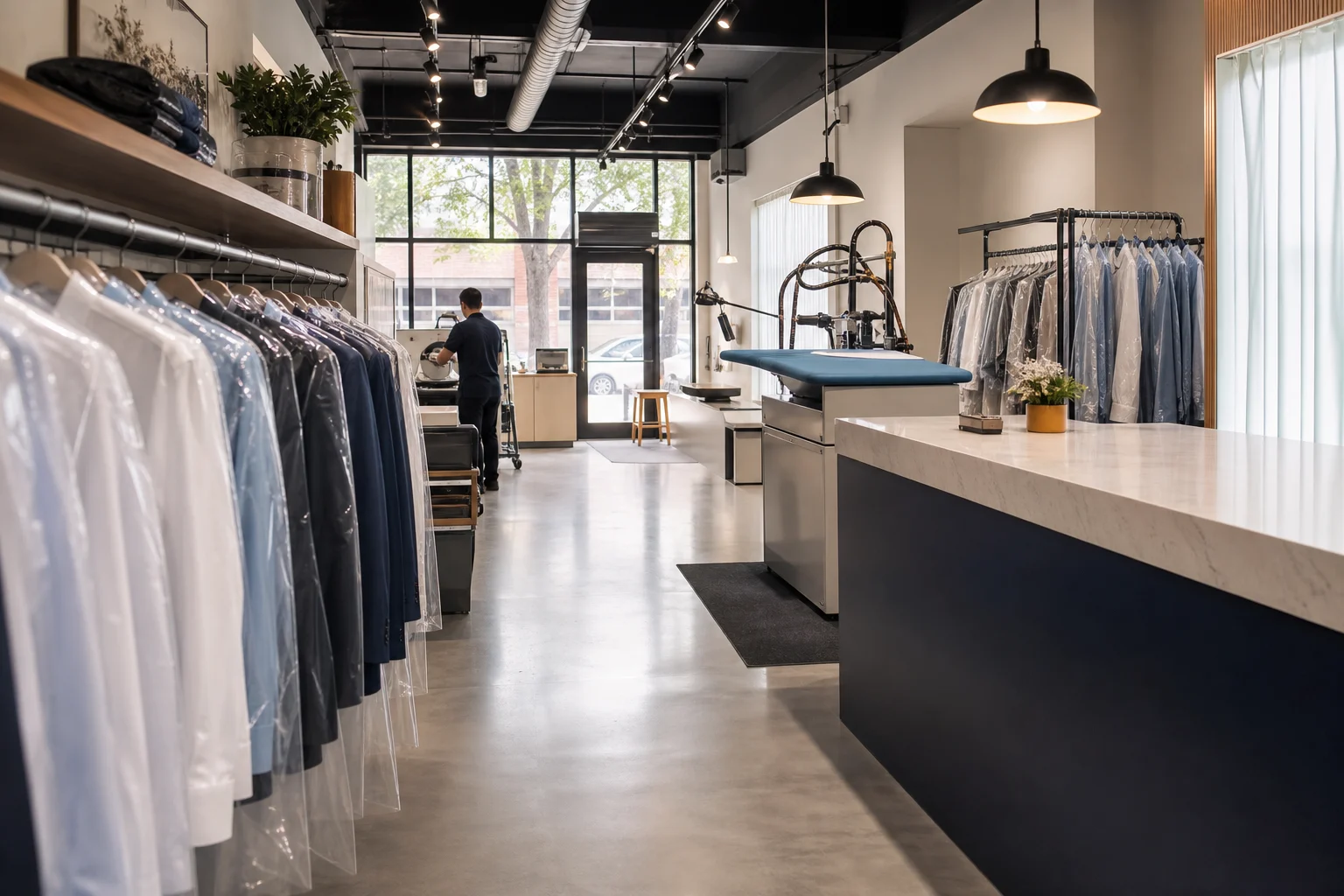
Dry cleaning operations require specialized equipment categorized by function. The core categories include cleaning machines, pressing equipment, finishing stations, and point-of-sale systems. Each format—whether full-service, drop-off only, or specialized garment care—demands different equipment configurations. Houston's diverse neighborhoods present unique opportunities. For instance, the Galleria/Uptown area with its maxed-out daytime population and premium retail ecosystem around The Galleria would support a full-service operation with high-end finishing equipment. Meanwhile, the Energy Corridor's office-worker density from Conoco/Shell/BP campuses might favor a drop-off model with efficient processing capabilities.
The equipment footprint directly impacts your space requirements and buildout budget. A basic operation might fit in 800-1,200 square feet, while a full-service facility could require 2,000+ square feet. Your choice of equipment categories should align with your target market and service offerings. Consider whether specialized equipment for leather, suede, or wedding dresses is necessary based on your neighborhood's demographics and existing competition.
Buildout assumptions that change the budget
Buildout requirements vary significantly across Houston's top areas. The Galleria/Uptown commands roughly $45-70/sqft NNN, which affects your buildout budget and equipment selection. Higher rent levels in premium areas may justify investing in more efficient, space-saving equipment that maximizes productivity per square foot. The Energy Corridor offers a rent advantage at roughly $30-50/sqft NNN, potentially allowing for a larger equipment footprint or higher-end machinery within the same budget.
Buildout considerations extend beyond basic equipment installation. You'll need plumbing for steam presses, electrical systems for dry cleaning machines, ventilation for solvent handling, and specialized flooring that resists chemical damage. Each area's specific requirements impact your timeline and budget. Memorial's solid residential base with moderate office density at roughly $30-50/sqft NNN presents a different buildout scenario, with considerations for customer waiting areas and potentially drive-through facilities to accommodate residential clients.
Your buildout strategy should account for future expansion. Houston's market conditions suggest room for growth, particularly in areas with established office populations like the Energy Corridor. Planning for additional capacity or specialized equipment from the outset can prevent costly renovations later. Consider modular equipment designs that allow for reconfiguration as your business evolves and service offerings expand.
New vs used equipment tradeoffs
The decision between new and used equipment significantly impacts your initial investment and operational efficiency. New equipment typically comes with warranties, energy efficiency advantages, and the latest technology, but represents a substantial upfront cost. Used equipment can reduce initial expenses by 30-50%, but may come with higher maintenance costs and shorter useful life. Houston's market temperature suggests that investing in reliable equipment is wise, given the promising business conditions.
The rent level in your chosen area influences this decision. In higher-rent areas like Galleria/Uptown, the efficiency gains from new equipment may justify the additional investment through lower operating costs and potentially higher service quality. In more moderately priced areas like Energy Corridor or Memorial, a mix of new critical equipment and used supporting machinery might provide the best balance of cost and reliability.
Equipment age affects more than just purchase price. Older machines may use more water, energy, and chemicals, increasing operating expenses over time. They may also lack modern environmental controls that are increasingly important in Houston's regulatory environment. When evaluating used equipment, consider the remaining useful life, maintenance history, and compatibility with newer systems you might add later. The absence of dry-cleaner competitors in the Energy Corridor suggests that investing in reliable equipment could establish a strong market position quickly.
What to inspect in a second-generation space
When considering an existing dry cleaning location, thorough inspection of existing equipment and infrastructure is essential. Verify that plumbing, electrical, and ventilation systems meet current code requirements and can support your equipment needs. The condition of existing dry cleaning machines, presses, and boilers significantly impacts your renovation budget. In Houston's competitive market, a well-maintained second-generation space can reduce initial investment by 20-40% compared to a buildout from scratch.
Assess the layout's efficiency for your specific operational needs. Existing spaces may have been designed for different service models or equipment configurations. The presence of competitors in Memorial—Select Cleaners (4.7★, 26 reviews), Pro Dry Cleaners (4.1★, 12 reviews), and US Star Cleaners (2.8★, 6 reviews)—within 600m of the centroid suggests that evaluating successful operational layouts in similar Houston neighborhoods could provide valuable insights.
Environmental compliance is critical when inheriting existing equipment. Houston's regulations regarding solvent handling, waste disposal, and air quality must be strictly followed. Budget for potential environmental assessments and remediation, particularly with older equipment that may have used banned substances. The absence of such issues in a second-generation space can provide significant cost savings and operational advantages.
FAQ
What equipment do I need for A Dry Cleaner in Houston?
A dry cleaner in Houston requires several categories of equipment: dry cleaning machines (for solvent-based cleaning), pressing equipment (for finishing garments), spotting stations (for stain treatment), finishing stations (for final touches), and point-of-sale systems. The specific equipment needed depends on your service model—whether full-service, drop-off only, or specialized care. Houston's market conditions suggest that investing in reliable, efficient equipment is particularly important given the promising business environment.
How does location affect equipment needs in Houston?
Location significantly impacts equipment requirements based on your target market. The Galleria/Uptown area's premium retail ecosystem around The Galleria would support higher-end finishing equipment. The Energy Corridor's office-worker density from Conoco/Shell/BP campuses might favor efficient processing equipment for quick turnarounds. Memorial's residential base suggests equipment accommodating various garment types and potentially drive-through facilities. Rent levels in these areas (roughly $45-70/sqft NNN in Galleria/Uptown and $30-50/sqft NNN in Energy Corridor and Memorial) also influence equipment decisions, with higher rent areas justifying more space-efficient, premium equipment.
Should I buy new or used equipment for my Houston dry cleaner?
The decision between new and used equipment depends on your budget, risk tolerance, and specific location. New equipment offers warranties, energy efficiency, and modern technology but requires higher initial investment. Used equipment reduces upfront costs by 30-50% but may have higher maintenance expenses. Houston's promising market temperature suggests that reliable equipment is a good investment. In higher-rent areas like Galleria/Uptown, the efficiency gains from new equipment may justify the additional cost, while moderately priced areas like Energy Corridor or Memorial might allow for a mix of new critical equipment and used supporting machinery.
What should I look for in a second-generation dry cleaning space?
When evaluating a second-generation space, inspect existing equipment condition, infrastructure adequacy, and layout efficiency. Verify that plumbing, electrical, and ventilation systems meet current code requirements and can support your equipment needs. Assess whether the existing layout works for your operational model. Environmental compliance is critical—ensure inherited equipment meets Houston's regulations regarding solvent handling and air quality. The presence of competitors in Memorial suggests that successful operational layouts in similar Houston neighborhoods could provide valuable insights for your business.
How does Houston's competition density affect equipment planning?
Houston's medium competition density means equipment planning should focus on differentiation and efficiency. In areas with established competitors like Memorial, having specialized equipment for niche services (such as leather care or wedding dress preservation) can help stand out. The absence of dry-cleaner competitors in the Energy Corridor presents an opportunity to establish market position with reliable, efficient equipment that can handle high volume. Understanding your specific neighborhood's competitive landscape helps determine whether to invest in premium equipment that justifies higher prices or efficient equipment that allows competitive pricing.
Last reviewed: 2026-05-08
Sources: U.S. Census Bureau ACS, LEHD LODES, Google Places, OpenStreetMap, Locavisor neighborhood scoring.
Methodology: Locavisor scores neighborhoods across demand, competition fit, rent fit, accessibility, and customer match. Scores reflect a snapshot of recent data and should be combined with on-the-ground research before lease decisions.
Disclaimer: This article provides informational content only and does not constitute legal, financial, accounting, or real-estate advice. Verify lease terms, licensing, local regulations, costs, and professional requirements with qualified local professionals before making business decisions.
Free preview shows top 3 neighborhoods. Full $9.99 report covers all 10 areas with personalized scoring + 90-day check-ins.
Informational only. Verify lease, licensing, local regulations, costs, and professional requirements with qualified local professionals.