Minneapolis, MN · dry cleaner
Dry cleaner equipment costs Minneapolis
Starting a dry cleaning business in Minneapolis requires careful planning of equipment and buildout costs. The right equipment selection impacts both initial investment and operational efficiency. Locavisor neighborhood scoring shows Minneapolis has a promising market temperature with medium competition density, making it a viable location for new dry cleaning ventures.
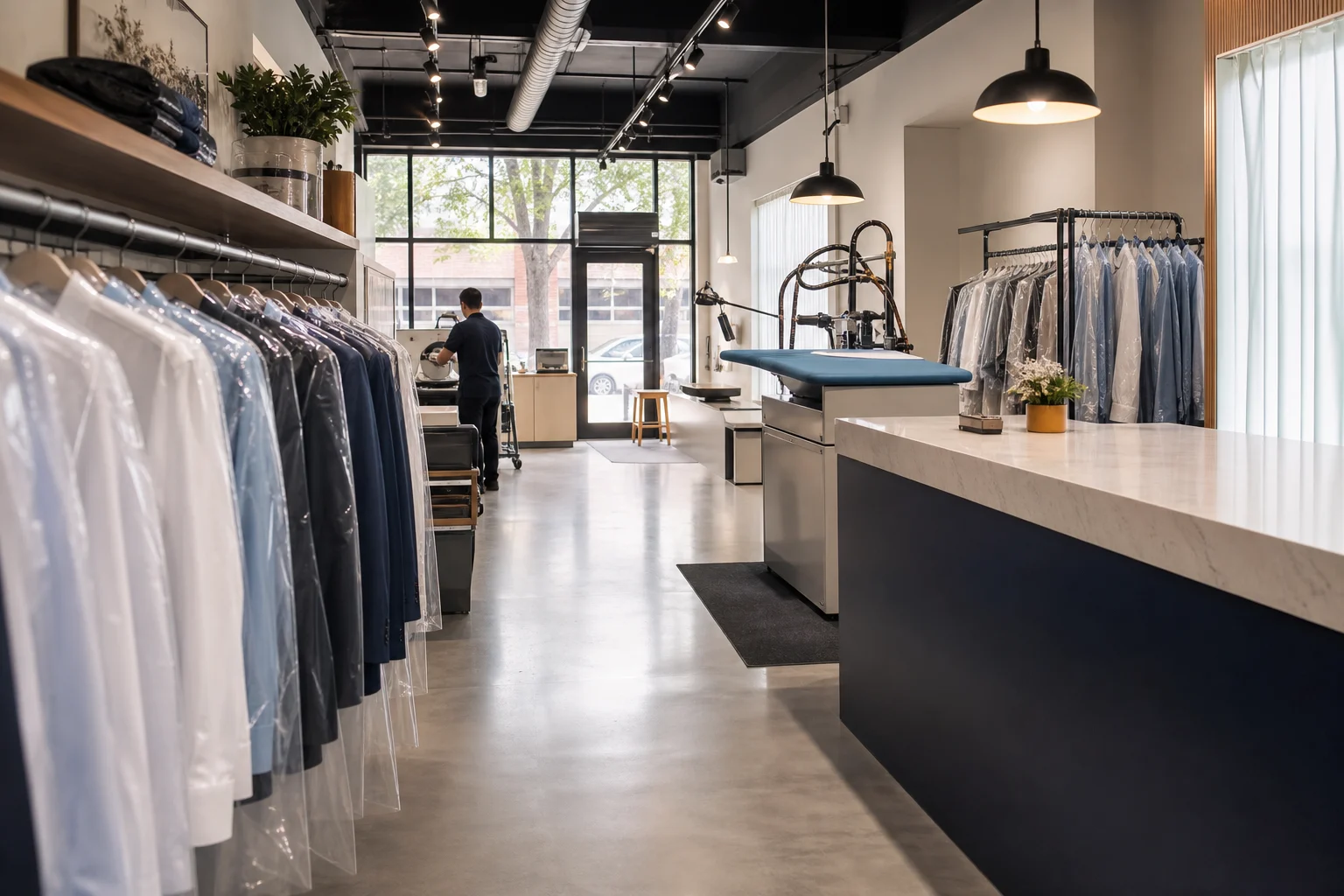
Equipment categories by launch format
Dry cleaner equipment costs Minneapolis vary significantly based on your business format. Full-service operations require more comprehensive equipment than drop-off only models. The Walker Art Center / Sculpture Garden corridor in Lowry Hill, for example, supports a professional-to-tourist mix that might benefit from both traditional dry cleaning and specialized garment care options.
Standard equipment categories include cleaning machines, pressing equipment, finishing stations, and point-of-sale systems. Each category has multiple price points based on capacity and features. In areas like North Loop with sky-high daytime population density, you might prioritize faster processing equipment to handle higher volume during peak hours.
The Downtown area presents a different scenario with Anderson Cleaners (1.0★, 1 review) as essentially the only existing competitor. This might influence your equipment selection toward specialized services that differentiate your offering. Consider whether to invest in premium equipment that handles delicate fabrics or focus on efficiency for standard garments.
Buildout assumptions that change the budget
Buildout assumptions directly impact your equipment budget and overall dry cleaner Minneapolis startup costs. Rent level varies significantly across Minneapolis neighborhoods, from medium-high in North Loop ($65-95/sqft NNN) to more reasonable rates in Lowry Hill ($20-35/sqft NNN). These differences affect how much you can allocate to equipment versus leasehold improvements.
A ground-up buildout requires more substantial investment in plumbing, ventilation, and electrical systems to support heavy equipment. In contrast, a second-generation space might already have some infrastructure in place, reducing buildout costs. The zero direct competitors within 800m in Lowry Hill and North Loop suggest these areas might offer more flexibility in space configuration.
The office density feeding weekday drop-off in Lowry Hill influences layout decisions. You might prioritize customer waiting areas and drop-off counters in these locations. Meanwhile, the strong residential density in evening/weekend pickup hours suggests efficient processing equipment becomes more valuable to handle batch processing during off-peak times.
New vs used equipment tradeoffs
New equipment offers reliability, warranty protection, and energy efficiency but comes with higher upfront costs. Used equipment reduces initial investment but may increase maintenance expenses and operational inefficiencies. The medium competition density in Minneapolis suggests there's room for both approaches depending on your budget and risk tolerance.
The market temperature being promising indicates potential for strong returns, which might justify investing in new equipment. However, the WFH headwind in Downtown is a real concern for a dry cleaner dependent on 9-5 commuters. In this context, used equipment might provide a more conservative entry point while you establish customer relationships.
Equipment financing options can bridge the gap between new and used purchases. Consider how the rent level in your chosen area affects your cash flow. North Loop's premium rent ($65-95/sqft NNN) might necessitate used equipment, while Lowry Hill's more reasonable rates ($20-35/sqft NNN) could allow for newer, more efficient machinery.
What to inspect in a second-generation space
When evaluating a second-generation space, inspect existing equipment thoroughly. Check the age, maintenance history, and remaining useful life of dry cleaning machines, presses, and boilers. The existing dry cleaner in Downtown (Anderson Cleaners) might leave behind functional equipment that could reduce your initial investment.
Assess whether the existing layout supports your business model. The zero direct competitors within 800m in Lowry Hill and North Loop suggests these areas might offer spaces with existing infrastructure that can be adapted to your needs. Verify that plumbing and electrical systems meet the requirements of your specific equipment.
Consider the condition of customer-facing areas. The professional-to-tourist mix in Lowry Hill's Walker Art Center / Sculpture Garden corridor might require a more polished customer experience than a residential-focused location. Inspect waiting areas, drop-off counters, and fitting rooms to determine what updates are needed to meet your standards.
FAQ
What equipment do I need for A Dry Cleaner in Minneapolis?
Essential equipment includes dry cleaning machines, pressing units, finishing stations, point-of-sale systems, and garment racks. The specific requirements depend on your business format—full-service, drop-off only, or specialized services. Minneapolis market conditions suggest investing in efficient processing equipment given the medium competition density and promising market temperature.
How does location affect equipment needs?
Location influences both equipment selection and capacity. Areas with high daytime population density like North Loop require equipment that handles higher volumes during peak hours. Meanwhile, locations with strong residential density for evening/weekend pickup might benefit from batch processing capabilities. Rent levels also impact equipment budgets, with premium areas like North Loop ($65-95/sqft NNN) potentially limiting equipment investment.
Should I buy new or used equipment for my Minneapolis dry cleaner?
The decision depends on your budget, risk tolerance, and business model. New equipment offers reliability and efficiency but requires higher upfront investment. Used equipment reduces initial costs but may increase maintenance expenses. The promising market temperature in Minneapolis suggests potential for strong returns that might justify new equipment, especially in areas with zero direct competitors like Lowry Hill and North Loop.
How does buildout impact equipment costs?
Buildout requirements significantly affect equipment budgets. Ground-up construction requires substantial investment in infrastructure to support heavy equipment. Second-generation spaces may already have plumbing, ventilation, and electrical systems in place, reducing buildout costs. The rent level in your chosen area—whether medium-high like North Loop or more reasonable like Lowry Hill—impacts how much you can allocate to equipment versus leasehold improvements.
What should I look for in a second-generation dry cleaning space?
Inspect existing equipment for age, condition, and remaining useful life. Assess whether the existing layout supports your business model and verify that plumbing and electrical systems meet your equipment requirements. Customer-facing areas may need updates to match your brand standards, particularly in areas with a professional-to-tourist mix like Lowry Hill's Walker Art Center / Sculpture Garden corridor.
Last reviewed: 2026-05-08
Sources: U.S. Census Bureau ACS, LEHD LODES, Google Places, OpenStreetMap, Locavisor neighborhood scoring.
Methodology: Locavisor scores neighborhoods across demand, competition fit, rent fit, accessibility, and customer match. Scores reflect a snapshot of recent data and should be combined with on-the-ground research before lease decisions.
Disclaimer: This article provides informational content only and does not constitute legal, financial, accounting, or real-estate advice. Verify lease terms, licensing, local regulations, costs, and professional requirements with qualified local professionals before making business decisions.
Free preview shows top 3 neighborhoods. Full $9.99 report covers all 10 areas with personalized scoring + 90-day check-ins.
Informational only. Verify lease, licensing, local regulations, costs, and professional requirements with qualified local professionals.