San Diego, CA · dry cleaner
Dry cleaner equipment costs San Diego
Planning a dry cleaner in San Diego requires careful consideration of equipment and buildout costs. The right equipment setup depends on your business model, location, and target customers. San Diego's market offers promising opportunities, particularly in University City / UTC, Little Italy, and Convoy Asian Cultural District, each with distinct characteristics that impact equipment planning.
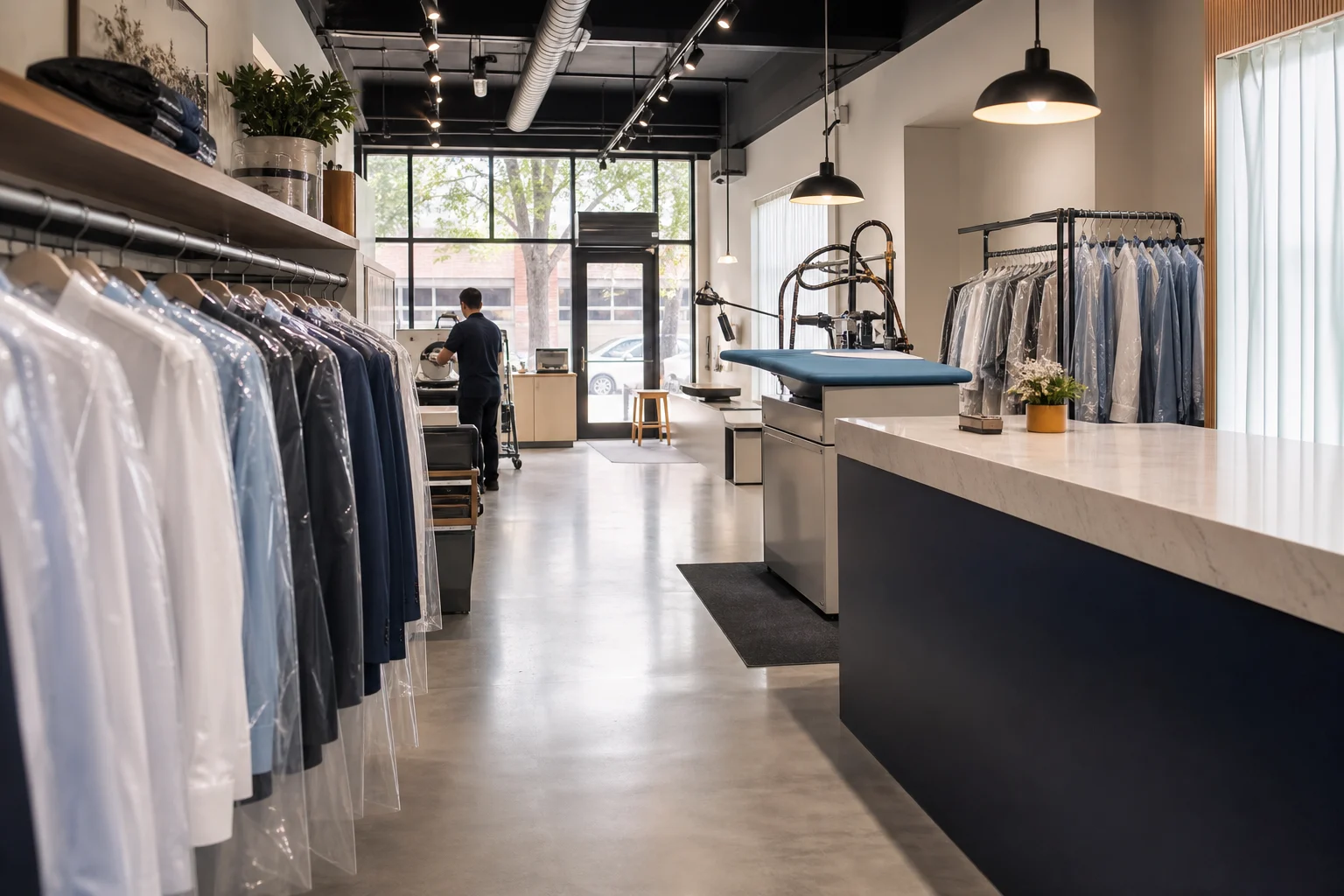
Equipment categories by launch format
Dry cleaner equipment falls into several key categories based on your business format. Traditional dry cleaning operations require specialized machinery for solvent-based cleaning, while newer eco-friendly alternatives use wet cleaning or CO2 systems. Each format comes with different equipment requirements and cost implications.
Full-service dry cleaners need pressing equipment, spotting stations, finishing tools, and management systems. Drop-off locations may require less specialized equipment but need robust customer management solutions. Your equipment choices should align with your business model and the specific demands of your chosen San Diego neighborhood.
University City / UTC presents an opportunity targeting young professionals and office workers. This format might benefit from premium finishing equipment to handle business attire. Little Italy's walkable environment supports a model emphasizing convenience and quick turnaround. Convoy Asian Cultural District might require specialized equipment for handling traditional fabrics common in Asian garments.
Buildout assumptions that change the budget
Buildout requirements vary significantly based on your space's condition and location. University City / UTC rent runs roughly $45-70/sqft NNN, which influences how much you can allocate to equipment versus improvements. Little Italy offers more rent-friendly options at $30-50/sqft NNN, potentially allowing for higher-quality equipment investments.
Plumbing requirements for dry cleaning equipment represent a major buildout consideration. Solvent-based systems need specialized ventilation and waste handling. These requirements can substantially increase initial costs, particularly in older buildings common in established neighborhoods like Little Italy.
Electrical capacity is another critical factor. Dry cleaning equipment demands significant power, especially for pressing machines and boilers. Your chosen location's electrical infrastructure may require upgrades, impacting your budget. University City's newer construction might offer advantages here compared to historic areas.
Flooring considerations include drainage for wet cleaning areas and chemical resistance throughout the facility. These requirements affect both material costs and installation complexity. Your buildout budget should account for these location-specific needs when planning your San Diego dry cleaner.
New vs used equipment tradeoffs
New equipment offers reliability, warranties, and energy efficiency benefits. Modern dry cleaning machines consume less solvent and water, reducing operating costs over time. However, the initial investment is substantially higher than used alternatives. In San Diego's competitive market, new equipment might help differentiate your business, particularly in areas like University City / UTC where you're targeting young professionals.
Used equipment presents significant cost savings upfront. Quality refurbished machines can provide reliable service at a fraction of new equipment costs. This approach might be particularly appealing in Little Italy, where rent is more moderate, allowing you to allocate more resources to location rather than equipment.
The tradeoff between new and used equipment extends beyond initial costs. Newer technology often requires less maintenance and offers better environmental compliance, increasingly important in California's regulatory environment. However, well-maintained used equipment can serve effectively, especially for established cleaning processes with minimal innovation.
Your decision should consider the specific demands of your target market. University City / UTC's young professional clientele might appreciate newer, more efficient equipment. Convoy Asian Cultural District might benefit from specialized equipment that could be found through used markets serving diverse garment types.
What to inspect in a second-generation space
When considering an existing dry cleaning location, thorough inspection prevents unexpected costs. University City / UTC has minimal direct competition with only one nearby dry cleaner (North Coast Cleaners, 4.4★, 55 reviews), making existing facilities potentially valuable but requiring careful evaluation.
Plumbing infrastructure deserves special attention. Older systems may not meet current equipment requirements or environmental standards. Leaks or inadequate capacity can lead to expensive modifications. Little Italy's established dry cleaners (Magic Touch Cleaners 4.8★/366 reviews, San Diego Wedding Dress Cleaners 5★/79 reviews) suggest the area has viable infrastructure, but individual properties vary.
Ventilation systems are critical for solvent-based operations. Existing setups may require significant upgrades to meet current air quality standards. These modifications can substantially impact your budget. Convoy Asian Cultural District presents a clean entry opportunity with no direct dry-cleaning competitors, meaning existing facilities might require complete system overhauls.
Electrical systems should handle your equipment's power demands without overloading circuits. Outdated wiring represents both a safety hazard and operational limitation. A professional assessment is essential before committing to a lease. University City's newer construction might offer advantages here, but individual properties vary significantly.
Flooring condition affects both functionality and appearance. Chemical-resistant flooring in good condition saves substantial replacement costs. Damaged flooring indicates potential underlying issues requiring attention. Your inspection should include a thorough assessment of all surfaces in potential spaces.
FAQ
What equipment do I need for A Dry Cleaner in San Diego?
Basic dry cleaner equipment includes cleaning machines, pressing equipment, spotting stations, finishing tools, and management systems. Your specific needs depend on your business format—full-service, drop-off, or specialized cleaning. San Diego's market supports various models, from traditional solvent-based cleaning to eco-friendly alternatives. University City / UTC might emphasize business attire handling, while Little Italy could focus on convenience and quick service. Convoy Asian Cultural District might require specialized equipment for diverse garment types. Your equipment choices should align with your target market and location characteristics.
How does location affect equipment planning in San Diego?
Location significantly impacts equipment requirements and budget allocation. University City / UTC rent runs roughly $45-70/sqft NNN, potentially limiting equipment investments. Little Italy offers more rent-friendly options at $30-50/sqft NNN, allowing for higher-quality equipment. Convoy Asian Cultural District's moderate rent at $30-50/sqft NNN provides flexibility. Each neighborhood's customer base influences equipment priorities—business attire handling in UTC, convenience in Little Italy, and specialized garment care in Convoy. Existing infrastructure also varies by location, affecting buildout requirements.
What buildout factors should I consider for a San Diego dry cleaner?
Key buildout considerations include plumbing for solvent handling, electrical capacity for equipment, ventilation for air quality, and chemical-resistant flooring. University City's newer construction might offer advantages, while historic areas like Little Italy may require more extensive modifications. Plumbing infrastructure must meet current environmental standards. Electrical systems should handle your equipment's power demands without overloading. Ventilation is critical for solvent-based operations. Flooring must resist chemicals and provide appropriate drainage. These factors significantly impact your budget and should be thoroughly evaluated before committing to a space.
How do I decide between new and used dry cleaning equipment?
New equipment offers reliability, warranties, and energy efficiency but comes with higher initial costs. Used equipment provides significant upfront savings but may require more maintenance. Your decision should consider your budget, target market expectations, and long-term operational costs. University City / UTC's young professionals might appreciate newer, more efficient equipment. Little Italy's rent-friendly environment might allow for higher-quality used equipment. Convoy Asian Cultural District's diverse clientele might benefit from specialized equipment available through used markets. Consider total cost of ownership, including maintenance and energy consumption, when making your decision.
What should I look for when inspecting an existing dry cleaning space?
When inspecting existing spaces, focus on plumbing infrastructure, ventilation systems, electrical capacity, and flooring condition. Plumbing must handle solvent requirements and meet environmental standards. Ventilation should be adequate for your cleaning processes. Electrical systems must support your equipment's power demands. Flooring should be chemical-resistant and in good condition. University City / UTC has minimal direct competition, making existing facilities potentially valuable but requiring careful evaluation. Little Italy's established dry cleaners suggest viable infrastructure, but individual properties vary. Convoy Asian Cultural District's lack of direct competitors means existing facilities might require complete system overhauls. A professional assessment is essential before committing to a lease.
Last reviewed: 2026-05-08
Sources: U.S. Census Bureau ACS, LEHD LODES, Google Places, OpenStreetMap, Locavisor neighborhood scoring.
Methodology: Locavisor scores neighborhoods across demand, competition fit, rent fit, accessibility, and customer match. Scores reflect a snapshot of recent data and should be combined with on-the-ground research before lease decisions.
Disclaimer: This article provides informational content only and does not constitute legal, financial, accounting, or real-estate advice. Verify lease terms, licensing, local regulations, costs, and professional requirements with qualified local professionals before making business decisions.
Free preview shows top 3 neighborhoods. Full $9.99 report covers all 10 areas with personalized scoring + 90-day check-ins.
Informational only. Verify lease, licensing, local regulations, costs, and professional requirements with qualified local professionals.